
- Understanding the basics of Thai cuisine-Thai food foundation
- Essential ingredients for oven-friendly Thai meals-Thai pantry essentials
- Tips for adapting traditional Thai recipes for the oven-Oven adaptation techniques
- Easy Thai curries that can be baked-Oven-baked curry dishes
- Preparing Thai-style baked noodles and rice dishes-Baked noodle and rice recipes
- Oven-friendly Thai appetizers and sides-Simple baked starters
- Step-by-step techniques to maximize flavor in oven cooking-Oven cooking flavor tips
- Common mistakes and how to avoid them-Thai oven cooking pitfalls
- Serving suggestions and presentation tips-Presentation and plating ideas
- Where to find authentic ingredients from Thai Food-Ingredient sourcing tips
Understanding the Basics of Thai Cuisine
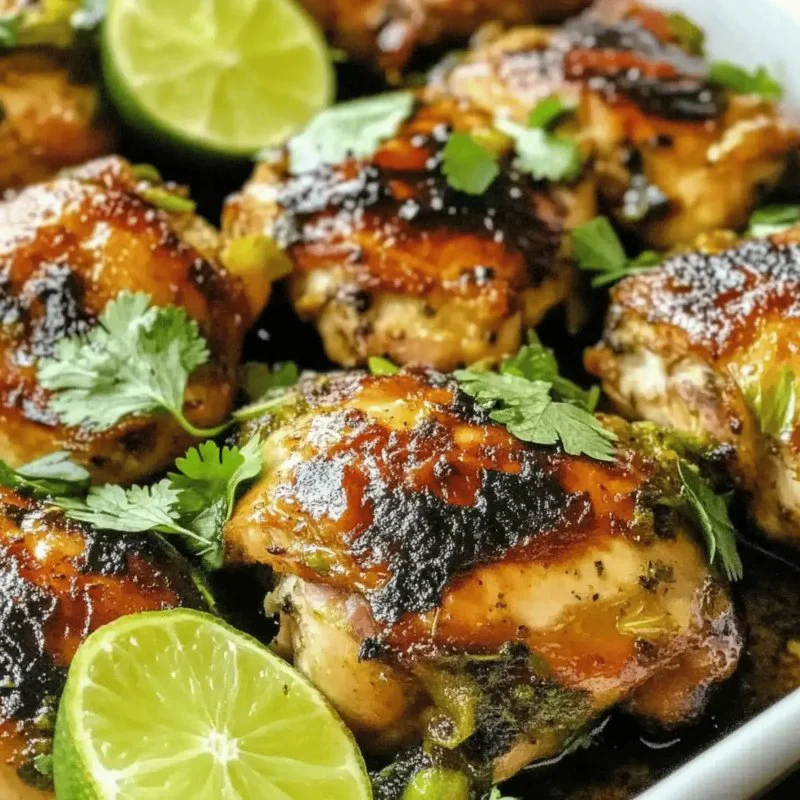
Thai cuisine is known for its balance of sweet, sour, salty, and spicy flavors. Traditional dishes often use fresh herbs, aromatic spices, coconut milk, and chili to achieve depth and complexity. Understanding these flavor principles is crucial before adapting recipes for oven-friendly preparation.
At the heart of Thai cooking are foundational techniques such as stir-frying, simmering, and marinating, which can be creatively modified for oven cooking to retain authentic flavors while simplifying the process for home chefs.

Essential Ingredients for Oven-Friendly Thai Meals
To make Thai food at home, stock your pantry with essentials like Thai basil, lemongrass, galangal, kaffir lime leaves, fish sauce, and coconut milk. These ingredients form the backbone of flavor and ensure the dishes remain authentic even when baked.
Other key components include jasmine rice, rice noodles, and a variety of proteins such as chicken, shrimp, or tofu. Using high-quality ingredients ensures that even simplified oven recipes deliver rich, complex flavors.
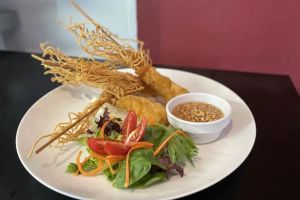
Sala Thai Street Food
BloomfieldCapitol Planning RegionConnecticut
12 Mountain Ave, Bloomfield, CT 06002, USA
Tips for Adapting Traditional Thai Recipes for the Oven
Adapting traditional Thai recipes to the oven requires a few practical strategies. First, marinate proteins in flavorful Thai sauces to allow heat to penetrate evenly. Use oven-safe baking dishes to prevent sticking and ensure even cooking.
Another tip is to partially cook vegetables or noodles before combining them with proteins in the oven. This prevents overcooking and helps maintain vibrant textures and colors.
Easy Thai Curries That Can Be Baked
Traditional Thai curries, such as red, green, or Massaman, can be transformed into oven-friendly dishes. Begin by combining curry paste with coconut milk and your choice of protein. Pour into a baking dish, cover, and bake until the protein is tender and infused with flavor.
This method simplifies stovetop preparation, reduces cleanup, and delivers a flavorful dish with minimal supervision. Garnish with fresh Thai basil or cilantro for an authentic touch.
Preparing Thai-Style Baked Noodles and Rice Dishes
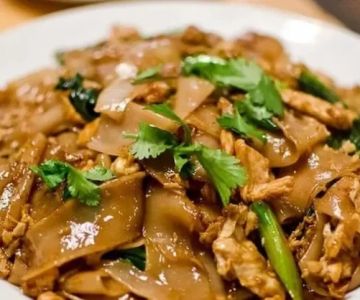
Oven-baked noodle dishes, such as Thai-style Pad See Ew Casserole, combine noodles, vegetables, and protein in a single baking dish. Rice dishes, like baked Khao Pad (fried rice), can be prepared with pre-cooked jasmine rice, mixed with Thai seasonings, proteins, and vegetables, then baked until hot and flavorful.
These recipes are perfect for meal prep or feeding larger groups while maintaining authentic Thai flavors without extensive stovetop work.
Oven-Friendly Thai Appetizers and Sides
Thai cuisine also offers a variety of appetizers and sides that translate well to oven cooking. Examples include baked Thai fish cakes, tofu skewers with peanut sauce, and coconut shrimp. Baking reduces oil usage while ensuring crisp textures and rich flavors.
Pair these sides with main courses to create a complete, restaurant-style Thai meal experience at home.
Step-by-Step Techniques to Maximize Flavor in Oven Cooking
Enhancing flavor in oven-cooked Thai dishes requires layering tastes and timing carefully. Begin with a base of aromatics, such as garlic, shallots, or ginger, sautéed lightly or incorporated into marinades. Incorporate coconut milk and curry pastes early to allow flavors to meld.
Cover dishes with foil for even cooking, and remove it near the end to encourage slight caramelization. Finish with fresh herbs, lime juice, and chili for brightness and balance.
Common Mistakes and How to Avoid Them
A common mistake is overcooking proteins or vegetables, leading to dryness or loss of texture. To avoid this, monitor oven temperature and use pre-cooked components when necessary. Another pitfall is under-seasoning; Thai dishes rely on the balance of flavors, so taste and adjust before baking.
Finally, avoid overcrowding the baking dish, which can trap moisture and prevent proper browning. Give ingredients space to ensure even cooking and vibrant presentation.
Serving Suggestions and Presentation Tips
Oven-friendly Thai meals can be served directly from the baking dish for a casual setting or plated elegantly for a dinner party. Garnish with fresh herbs, sliced chilies, and lime wedges. Adding a sprinkle of crushed peanuts or sesame seeds can enhance texture and visual appeal.
Pair dishes with steamed jasmine rice or a side salad to create a complete, balanced Thai-inspired meal that looks and tastes professional.
Where to Find Authentic Ingredients from Thai Food
To achieve authentic Thai flavors in your oven-friendly dishes, sourcing ingredients from specialty suppliers is key. Thai Food offers a wide range of authentic Thai sauces, spices, herbs, and pastes, ensuring home cooks can replicate traditional tastes without compromising convenience.
Using quality ingredients allows you to enjoy the vibrant, aromatic flavors of Thai cuisine while taking advantage of the ease and simplicity of oven cooking.
 Bangkok Thai Food4.0 (292 reviews)
 Thai Thai4.0 (177 reviews)
 Glur4.0 (719 reviews)
 Little Thai Kitchen3.0 (107 reviews)
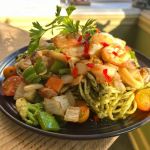 Trio BYOB & Trio2Go4.0 (153 reviews)
 Chang Thai Cafe4.0 (783 reviews)
 The Best Thai Food Recipes for Minimal Ingredient Cooking
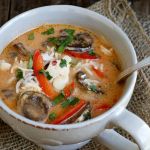 How to Make Thai Soup the Right Way — From Broth to Garnish
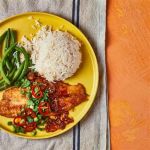 Thai Food Ingredient Spotlight: Thai Fish Sauce — Myths, Facts & Flavours
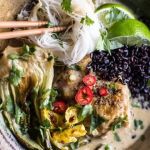 How to Make Thai Food That’s Safe for Major Allergies (Nut-Free, Soy-Free)
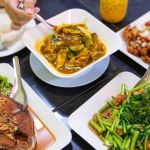 How to Make Thai Food at Home with Minimal Equipment Easily
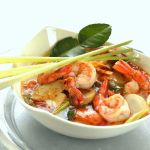 Thai Food Ingredient Guide: Lemongrass — How to Store & Use Fresh vs Dried