- 1. Introduction: The Art of Balancing Flavor & Nutrition in Thai Food
- 2. Key Ingredients for Healthy Thai Dishes
- 3. Flavorful Techniques to Elevate Your Thai Cooking
- 4. How to Create Balanced Thai Dishes
- 5. Healthy Thai Recipes You Can Try
- 6. Final Tips for Cooking Thai Food That’s Flavorful and Nutritious
1. Introduction: The Art of Balancing Flavor & Nutrition in Thai Food
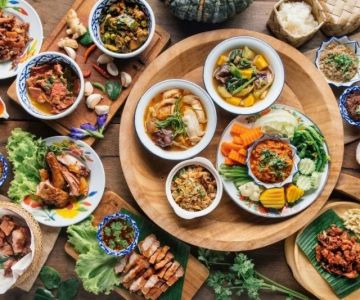
Thai food is loved around the world for its rich flavors, bold spices, and unique combinations of sweet, sour, salty, and spicy. However, making Thai dishes that are not only flavorful but also nutritious can be a challenge. With the right ingredients, techniques, and understanding of flavors, you can create Thai meals that are both delicious and healthy. This article will guide you through the essential steps to achieve that balance in your cooking.

2. Key Ingredients for Healthy Thai Dishes
The foundation of any Thai dish is its ingredients, and choosing the right ones can make a big difference in both flavor and nutritional value. Here are some key ingredients to include for a healthier Thai cooking experience:
2.1 Fresh Herbs and Vegetables
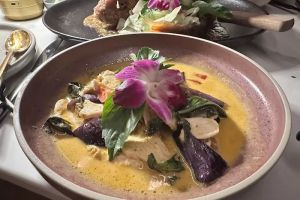
Thai cuisine heavily relies on fresh herbs like cilantro, basil, and mint, which add vibrant flavor and have various health benefits. Vegetables like bell peppers, carrots, and broccoli provide essential nutrients, fiber, and antioxidants that support overall health.
2.2 Lean Proteins
Lean proteins such as chicken breast, tofu, and fish are staples in many Thai dishes. These ingredients provide high-quality protein with fewer saturated fats compared to red meats. Incorporating more plant-based proteins like tofu and tempeh can make your meals even healthier.
2.3 Healthy Fats
Incorporating healthy fats from sources like coconut milk, nuts, and seeds helps create creamy textures while offering important omega-3 and omega-6 fatty acids that are essential for brain function and heart health.
2.4 Flavorful Spices
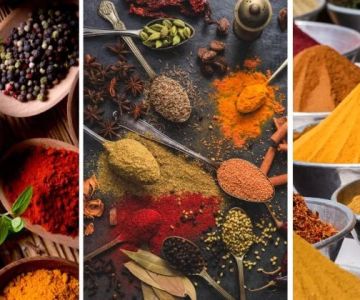
Spices such as turmeric, ginger, and chili peppers not only enhance the flavor but also offer anti-inflammatory and digestive health benefits. Adding these ingredients in moderation can make your Thai dishes both tasty and health-boosting.
3. Flavorful Techniques to Elevate Your Thai Cooking
Thai cuisine is known for its ability to blend flavors in a harmonious way. To create balanced dishes, understanding these techniques will be crucial:
3.1 Balancing Sweet, Sour, Salty, and Spicy
One of the hallmarks of Thai cuisine is the perfect balance of sweet, sour, salty, and spicy flavors. While sugar and fish sauce can add sweetness and saltiness, lime juice and tamarind provide sourness, and chili peppers give a spicy kick. Adjusting these elements allows you to create the perfect flavor profile for any dish.
3.2 Using Aromatic Broths
Instead of relying on heavy creams or oils, Thai soups and curries often use aromatic broths made from herbs and spices. This adds layers of flavor without compromising the dish’s healthfulness. A simple broth made from lemongrass, galangal, and kaffir lime leaves can bring an authentic Thai essence to your dish.
4. How to Create Balanced Thai Dishes
When preparing Thai food, it's important to strike a balance between flavor and nutrition. Here are some key strategies for creating balanced dishes:
4.1 Mind the Portion Sizes
Thai food can be rich in flavor and calories, so it’s important to manage portion sizes. Opt for smaller portions of high-calorie ingredients like coconut milk or fried foods, and balance them with larger portions of fresh vegetables and lean proteins.
4.2 Incorporate More Vegetables
Vegetables are not only low in calories but also packed with nutrients. In dishes like stir-fries, curries, or salads, ensure that vegetables take center stage, contributing to both the taste and the nutritional content of the meal.
4.3 Opt for Grilled or Steamed over Fried
While fried Thai foods are delicious, they can add unnecessary fats and calories. Grilled, steamed, or stir-fried options are healthier alternatives that still provide great flavor without the excess oil.
5. Healthy Thai Recipes You Can Try
Here are a few recipes that can help you enjoy balanced and flavorful Thai meals:
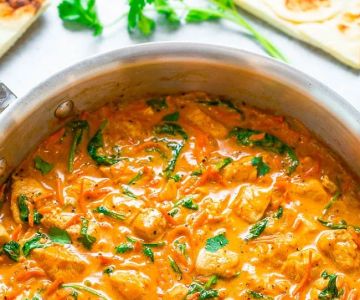
5.1 Thai Green Curry with Tofu
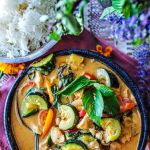
This aromatic and spicy curry combines tofu, vegetables like zucchini and eggplant, and a creamy coconut broth, offering a delicious vegetarian meal that’s high in protein and low in fat.
5.2 Thai Papaya Salad (Som Tum)
A refreshing and tangy salad made with shredded green papaya, tomatoes, green beans, and a dressing of lime, fish sauce, and chili. It’s a light dish packed with flavor and nutrients.
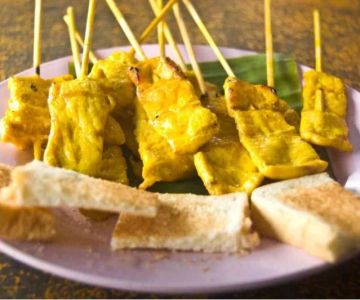
5.3 Thai Chicken Satay
Grilled chicken skewers marinated in a flavorful peanut sauce. This dish offers lean protein with a hint of healthy fats from the peanut butter and is often served with a cucumber salad for added crunch and freshness.
6. Final Tips for Cooking Thai Food That’s Flavorful and Nutritious
To wrap up, here are some final tips for ensuring your Thai food is both flavorful and nutritious:
6.1 Keep It Fresh
Fresh ingredients are key to making your Thai food taste great while maintaining its nutritional value. Always opt for fresh herbs, vegetables, and lean proteins when possible.
6.2 Experiment with Flavor Profiles
Thai food is all about balancing flavors. Don’t be afraid to adjust the sweetness, saltiness, sourness, and spiciness to suit your taste and dietary needs.
6.3 Make it a Family Affair
Cooking Thai food at home is a fun and educational activity for the entire family. Get everyone involved by letting them help prepare ingredients, mix sauces, or garnish dishes.

 Rice & Curry I Thai & Asian Bistro4.0 (251 reviews)
 Bangkok City4.0 (399 reviews)
 Sugar and Spice Thai Food and More4.0 (242 reviews)
 Yummy Thai3.0 (74 reviews)
 UThai4.0 (215 reviews)
 Plue4.0 (1353 reviews)
 How to Make Thai Food That’s Simple Enough for Weeknight Cooking
 Thai Food for Solo Cooks: Quick, Flavor-Packed Meals for One
 Discover the Best Thai Food Restaurants in Kansas City for Hidden Gems
 How to Make Thai Food in One-Pan: Less Cleanup, Full Flavor
 Thai Food for Empty Nesters: Thai New Recipes After the Kids Left Home
 Thai Food Ingredient Guide: Lemongrass – Uses, Pairings & Storage