Tom Yum vs Tom Kha: Choose Broth, Richness, and Heat
On this page
Quick answer
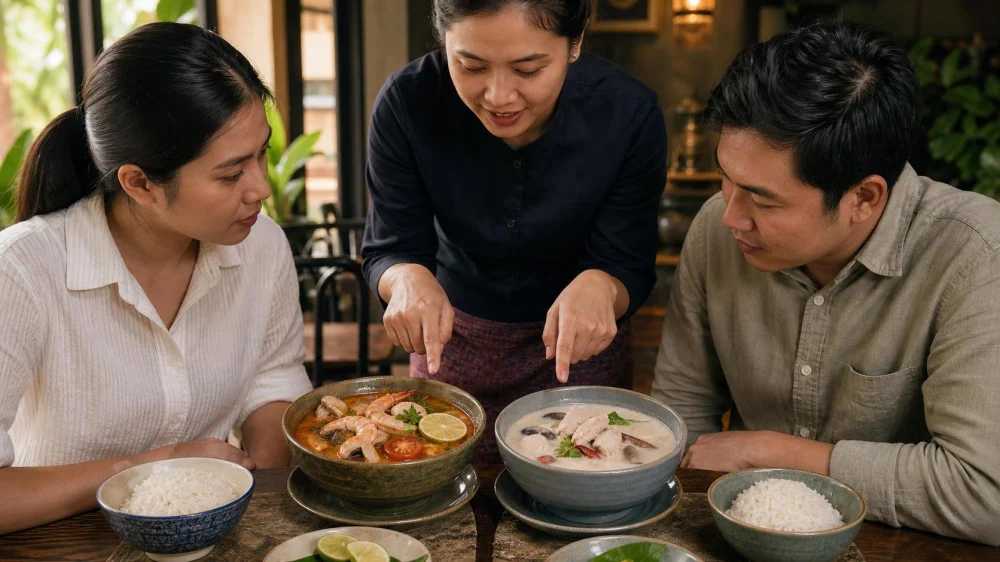
Tom yum is typically a hot-and-sour Thai soup with lemongrass, galangal, makrut lime leaf, chile, and lime, while tom kha adds coconut milk for a rounder, richer broth. Choose tom yum for brighter acidity and clearer flavour; choose tom kha for coconut richness. Ask about chile, protein, fish sauce, shrimp paste, dairy substitutions, and whether aromatic pieces should be removed.
Understand the core difference
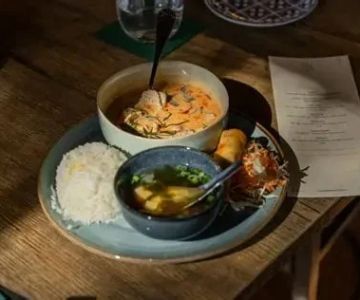
“Tom” signals a boiled soup preparation, while the rest of the name identifies its style or central ingredient. Tom yum balances sourness, heat, salt, aroma, and sometimes sweetness in a broth that may be clear or enriched. Tom kha emphasizes galangal and commonly includes coconut milk, which changes colour, body, and perceived heat.
Restaurant recipes vary. A creamy-looking tom yum may contain evaporated milk, coconut milk, chile paste, or another enrichment, so appearance alone does not make it tom kha. Ask for the house description. If you want a clear broth, say so and confirm whether the kitchen offers that version.
Choose protein and format
Common menu names append the protein: shrimp, chicken, fish, seafood, mushroom, or another option. Shrimp shells can deepen flavour but may make eating messier. Mixed seafood can include shellfish and pieces with bones. Chicken may arrive sliced or bone-in depending on the recipe.
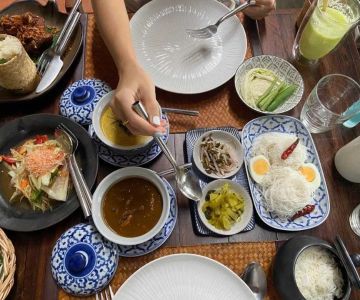
Ask whether one order is a cup, individual bowl, or shared hot pot and whether rice comes separately. A shared soup can complement rice, grilled dishes, and vegetables. For a group, use a clean ladle and give each diner a bowl rather than drinking from the serving vessel.
Set the heat level
Dried or fresh chiles, chile paste, and seasoned oil can all contribute heat. Coconut milk can soften the perception but does not remove capsaicin. Ask whether the base is already spicy and what “mild,” “medium,” or a numerical level means at that restaurant. Start lower when sharing.
Do not judge heat from colour alone. Taste after the broth cools enough to avoid a burn. Lime, rice, and coconut richness can balance flavour, but asking the kitchen to remove chile after cooking may not be possible. If chile causes an allergy or medical reaction, describe that specifically rather than requesting mildness.
Handle aromatics and garnish
Lemongrass stalks, galangal slices, makrut lime leaves, whole chiles, and herb stems often perfume the broth but may be fibrous or hard. They are commonly left in the bowl and moved aside rather than chewed. Ask staff when you cannot identify an ingredient, especially before serving children.
Mushrooms, tomato, onion, cilantro, scallion, and lime may be edible components. Remove shrimp tails, shells, and bones carefully. A soup spoon and fork or chopsticks work together: use the utensil to hold solids while the spoon gathers broth, without lifting a dripping bundle over other diners.
Check allergens and diet
Tell staff the exact allergy and ask about fish sauce, shrimp paste, shellfish stock, coconut, soy sauce, dairy, packaged curry or chile pastes, and garnish. A mushroom or vegetable version may still use animal-based stock or fish sauce. “No visible shrimp” does not establish shellfish-free preparation.
Tom kha is often coconut-based but can include dairy or a dairy-containing enrichment at some restaurants. Coconut is treated differently across allergy contexts, so name it directly when relevant. Shared ladles, woks, cutting boards, and soup bases can create cross-contact. Restaurant-specific answers control.
Order takeout well
Ask for broth in a leak-resistant container and rice, herbs, lime, and crisp garnish separately. Keep the container upright in an insulated carrier and check the lid before leaving. Open hot soup away from your face because steam and pressure can build.
Refrigerate leftovers promptly under current food-safety guidance. Store rice separately and reheat soup to a properly hot centre following restaurant guidance. Stir coconut broth gently because it may separate without being spoiled. Discard food with uncertain time, temperature, leakage, or abnormal spoilage signs.
Frequently asked questions
Is tom kha always milder than tom yum?
No. Coconut milk can soften perceived heat, but the kitchen can add substantial chile. Ask about the actual base and requested level.
Can I eat lemongrass and galangal pieces?
They are edible plants but often too tough or fibrous in soup-sized pieces. Their main role is aroma; move them aside unless staff says they are prepared to eat.
Does tom yum contain coconut milk?
Clear versions usually do not, but creamy house versions may use coconut milk or another enrichment. Confirm ingredients rather than relying on the name alone.
Evidence and limitations
This guide reflects common Thai restaurant terminology, flavour structure, and shared-soup service. Regional and kitchen recipes differ in broth, enrichment, protein, chile, aromatics, and allergens. The current menu and direct kitchen information are the controlling sources for a specific order.
Conclusion and next steps
Choose bright hot-and-sour tom yum or coconut-rich tom kha, then confirm protein, portion, heat, and allergen details. Move tough aromatics aside, share with a clean ladle, and separate broth from rice for takeout. One clear question about the house broth prevents most ordering surprises.

 Kawa Thai And Sushi4.0 (397 reviews)
 Thai Delight (formerly Lil Thai Pin)3.0 (236 reviews)
 Nur Thai4.0 (1299 reviews)
 Thai House of Holden4.0 (143 reviews)
 NaNa Thai Street4.0 (867 reviews)
 Thai Jasmine4.0 (281 reviews)
 Thai Food for Summer: Light, Fresh & Flavor-Packed Recipes
 Thai Iced Tea: Sweetness, Milk, Caffeine, and Ice
 How to Make Thai Peanut Sauce from Scratch (and Use It Everywhere)
 Thai Food Pairing Guide: Rice Varieties That Elevate Your Dish
 The Best Thai Food Recipes for Hosting a Dinner Party
 How to Make Thai Food That’s Perfect for Leftovers & Lunch Next Day