
- Understanding-Thai-Curries
- Green-Curry-Origin-and-Flavors
- Red-Curry-Traditional-Ingredients
- Massaman-Curry-History-and-Spices
- Panang-Curry-Characteristics
- Regional-Variations-Across-Thailand
- Tips-for-Preparing-Authentic-Thai-Curries
- Pairing-Thai-Curries-with-Accompaniments
- Cultural-Experience-from-Thai-Food
Understanding Thai Curries
Thai curries are an essential part of Thailand’s culinary landscape, offering a dynamic blend of spices, herbs, and coconut milk that define the nation’s rich flavors. Unlike Western curries, Thai curries are often distinguished by their color, aromatic ingredients, and regional influences. From the vibrant Green Curry of central Thailand to the aromatic Panang Curry of the south, each type tells a story of local ingredients and traditions.
The hallmark of Thai curries is balance: sweet, salty, sour, bitter, and spicy flavors work in harmony. Learning to appreciate these differences is crucial for any home cook seeking to master authentic Thai cooking.
Blue Elephant Restaurant
WilbrahamHampden CountyMassachusetts
2000 Boston Rd, Wilbraham, MA 01095, USA
Green Curry: Origin and Flavors
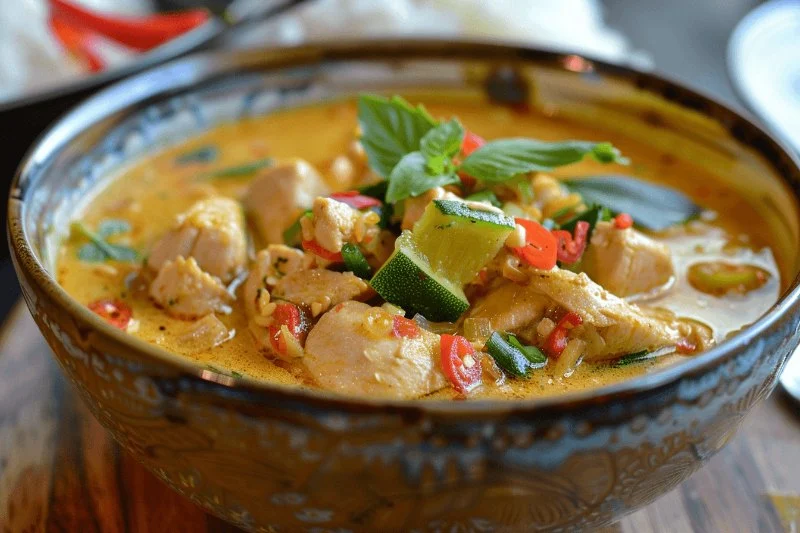
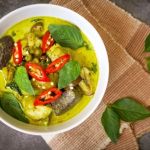
Green Curry, known locally as Kaeng Khiao Wan, hails from central Thailand and is famous for its fresh, herbal flavor profile. Made with green chili, garlic, shallots, lemongrass, kaffir lime leaves, and galangal, this curry delivers a sharp yet balanced heat. Coconut milk adds richness and smoothness, complementing proteins such as chicken, beef, or tofu.
Traditionally, green curry is served with steamed jasmine rice, allowing the bold flavors to shine. In local markets, fresh green curry paste is often sold in small bundles, emphasizing the importance of freshness in achieving authentic taste.
Red Curry: Traditional Ingredients
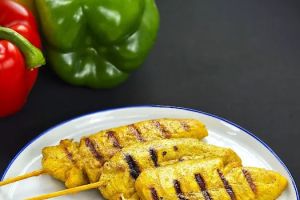
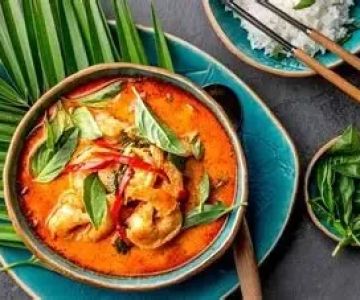
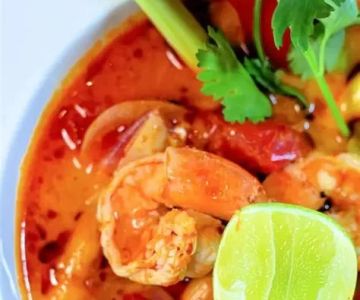
Red Curry, or Kaeng Phet, originates from central and northern Thailand and is known for its spicy and fragrant profile. Red chilies form the base, combined with garlic, shallots, coriander roots, and shrimp paste. Coconut milk balances the heat, creating a creamy and slightly sweet sauce. This curry often features proteins like duck, beef, or shrimp, paired with bamboo shoots or bell peppers.
The intensity of Red Curry can vary regionally. In northern Thailand, for example, the curry tends to be milder with aromatic herbs, while in central Thailand, the heat is more pronounced, highlighting the versatile use of chilies in Thai cuisine.
Massaman Curry: History and Spices
Massaman Curry reflects Thailand’s southern culinary influences, incorporating Persian and Indian flavors. Known as Kaeng Massaman, it typically features beef, potatoes, peanuts, and tamarind, creating a sweet, nutty, and mildly spiced dish. Spices such as cardamom, cinnamon, cloves, and star anise are introduced, giving the curry a complex aroma rarely found in other Thai curries.
Massaman Curry has become popular internationally for its approachable flavor, appealing to those who enjoy mild yet flavorful dishes. Its unique blend of Thai and foreign spices tells the story of cultural exchange and historical trade routes.
Panang Curry: Characteristics
Panang Curry, or Kaeng Panang, is a rich, creamy curry originating from Thailand’s central and eastern regions. It is distinguished by its slightly sweet taste, aromatic kaffir lime leaves, and crushed peanuts, which are often blended into the curry paste. Panang Curry is thicker than other Thai curries, making it ideal for simmering beef, pork, or chicken.
The flavor is intensely aromatic, with a mild heat that complements rather than overpowers the dish. Panang Curry is a favorite in Thai restaurants worldwide, representing a bridge between authentic Thai cuisine and global palates.
Regional Variations Across Thailand
While Green, Red, Massaman, and Panang are widely recognized, regional variations reflect local ingredients and traditions:
- Northern Thailand: Uses more herbs and less coconut milk, resulting in lighter, aromatic curries.
- Northeastern Thailand (Isaan): Incorporates fermented fish and herbs, giving a bold, tangy profile.
- Southern Thailand: Heavier use of coconut milk, peanuts, and dried spices creates rich, spicy curries like Massaman and Panang.
- Central Thailand: Balances sweetness, heat, and creaminess, making it a reference point for traditional Thai curry standards.
Tips for Preparing Authentic Thai Curries
Achieving authentic Thai curry flavors involves several important steps:
- Use fresh ingredients such as lemongrass, kaffir lime leaves, and galangal.
- Prepare curry pastes from scratch when possible for maximum aroma and flavor.
- Balance coconut milk, chili, and fish sauce carefully to achieve a layered taste.
- Simmer gently to preserve the texture of proteins and vegetables.
- Garnish with fresh herbs like Thai basil or cilantro to enhance visual appeal and aroma.
Pairing Thai Curries with Accompaniments
Thai curries are often complemented by:
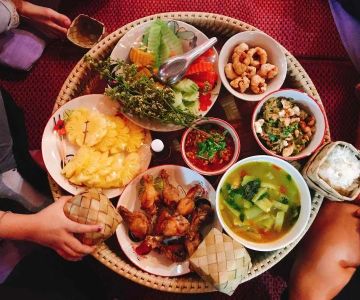
- Steamed jasmine rice or sticky rice for texture and to balance heat
- Roti or flatbread for soaking up thick curries like Panang
- Lightly pickled vegetables to cut through richness
- Chilled Thai iced tea or beer to refresh the palate
Cultural Experience from Thai Food
Exploring Thai curries is not only about flavor but also about culture. Each curry type carries historical significance, regional identity, and family traditions. For those seeking an authentic culinary journey, Thai Food provides expert guidance, ingredient sourcing, and recipes to recreate these regional specialties at home. From the spicy heat of Green Curry to the aromatic sweetness of Panang, discovering Thai curries is a vibrant exploration of Thailand’s culinary heritage.
With careful attention to ingredients, techniques, and cultural context, cooking Thai curries at home can bring the authentic flavors of Thailand to your table. Dive into the world of Thai cuisine and savor the distinctive taste of each regional curry while connecting with centuries-old culinary traditions.
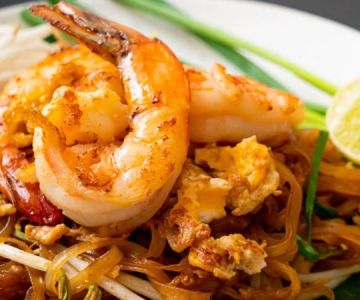
 Capital Thai4.0 (284 reviews)
 KhanTong Thai Kitchen4.0 (102 reviews)
 EIM Khao Mun Kai4.0 (31 reviews)
 Bay (takeout Thai street food - please make a call for dine-in)5.0 (79 reviews)
 Aroi Thai Cuisine Concord NH4.0 (36 reviews)
 Maya Thai Eatery4.0 (206 reviews)
 Thai Food Ingredients You Didn’t Know You Needed (and How to Use Them)
 Thai Food Near Me in Wichita: Discover the Air Capital’s Best Noodle Joints
 The Difference Between Thai Street Food & Restaurant Thai in America
 Thai Food for Fitness: Thai Dishes That Support Your Workout Recovery
 The Best Thai Food Recipes for Comfort & Nostalgia
 Thai Food for Game Day: Crowd-Pleasing Dishes with a Thai Twist