
- - Understanding-What-Makes-Tom-Kha-Gai-Creamy
- - The-Origins-and-Appeal-of-This-Classic-Thai-Soup
- - Choosing-the-Right-Coconut-Milk-for-Richness
- - Essential-Ingredients-for-Authentic-Flavor
- - Step-by-Step-Method-for-Creating-a-Silky-Texture
- - Common-Mistakes-That-Prevent-Creaminess
- - Dairy-Free-Secrets-Used-by-Thai-Cooks
- - Variations-for-Different-Dietary-Preferences
- - Real-World-Cooking-Story-and-Lessons-Learned
- - Serving-Ideas-and-Flavor-Pairings
- - Storing-and-Reheating-Without-Losing-Texture
- - Finding-Quality-Ingredients-and-Inspiration
Understanding What Makes Tom Kha Gai Creamy
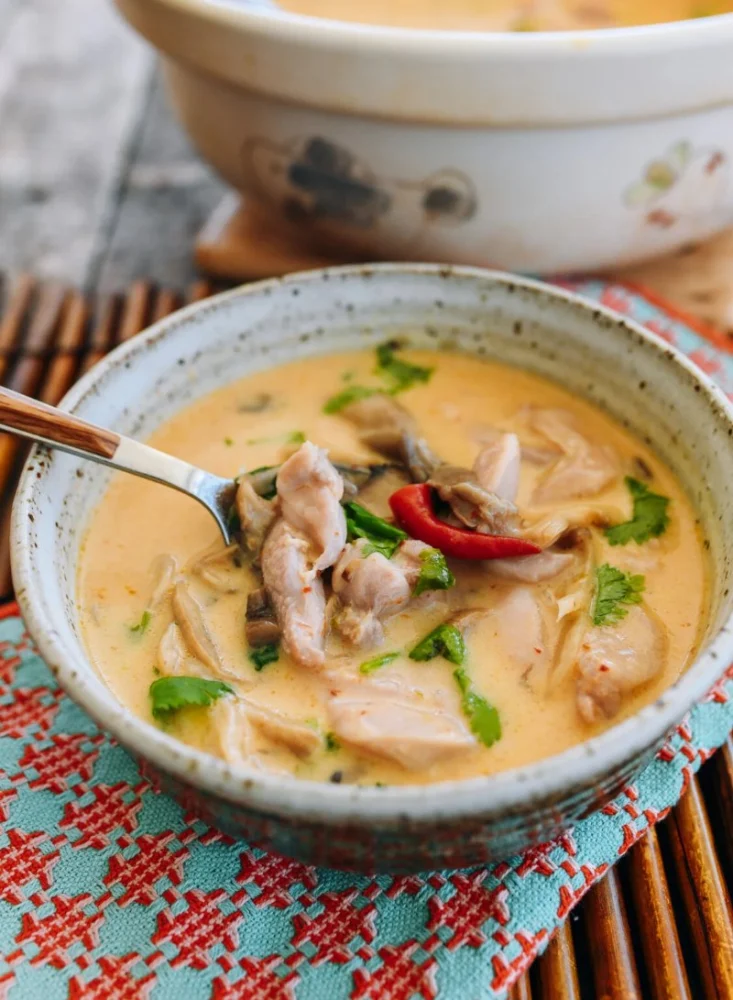
Many home cooks assume that a creamy soup requires dairy, but traditional Thai Coconut Soup, better known as Tom Kha Gai, proves otherwise. One of the most fascinating aspects of this beloved Thai dish is that its luxurious texture comes entirely from coconut milk rather than cream, butter, or cheese.
The rich mouthfeel of a well-made Tom Kha Gai comes from the natural fat content found in high-quality coconut milk. When combined with aromatic ingredients such as galangal, lemongrass, kaffir lime leaves, and tender chicken, coconut milk creates a velvety broth that feels indulgent while remaining completely dairy-free.
For American home cooks exploring global cuisine, mastering this balance can be surprisingly rewarding. The soup delivers comfort-food satisfaction while remaining lighter than many cream-based Western soups.
The Origins and Appeal of This Classic Thai Soup
Tom Kha Gai originated in Thailand and has become one of the most recognized Thai dishes worldwide. The name itself provides clues to its identity. "Tom" refers to boiling, "Kha" refers to galangal, and "Gai" means chicken.
Unlike many soups that focus on a single dominant flavor, Tom Kha Gai thrives on balance. Every spoonful contains a blend of:
1. Creaminess
Coconut milk provides a rich base without overwhelming the palate.
2. Bright Acidity
Fresh lime juice cuts through the richness and adds freshness.
3. Aromatic Complexity
Lemongrass and galangal contribute distinctive fragrances that make the soup unforgettable.
4. Gentle Heat
Thai chilies bring warmth without necessarily making the dish overwhelmingly spicy.
This combination explains why Tom Kha Gai continues to gain popularity among American food enthusiasts looking for comforting yet sophisticated meals.
Choosing the Right Coconut Milk for Richness
1. Full-Fat Coconut Milk Is Essential
The biggest secret to creating a creamy dairy-free Tom Kha Gai is selecting full-fat coconut milk. Reduced-fat versions often contain more water and stabilizers, resulting in a thinner broth.
When shopping, shake the can gently. High-quality coconut milk often separates naturally, which is a sign of its richness rather than a flaw.
2. Avoid Coconut Beverage Products
Many new cooks mistakenly purchase refrigerated coconut beverages marketed as milk alternatives. These products are designed for drinking and lack the fat content necessary for a rich soup.
Always choose canned coconut milk intended for cooking.
3. Consider Coconut Cream for Extra Luxury
For an especially rich version, replace a small portion of the coconut milk with coconut cream. This technique creates restaurant-quality texture while remaining completely dairy-free.
Essential Ingredients for Authentic Flavor
Creating authentic Tom Kha Gai involves more than simply adding coconut milk to chicken broth. Each ingredient serves a specific purpose.
1. Galangal
Often confused with ginger, galangal has a sharper, citrusy flavor that defines the soup's identity.
2. Lemongrass
This ingredient contributes bright herbal notes that complement the richness of coconut milk.
3. Kaffir Lime Leaves
These leaves deliver a distinctive aroma impossible to replicate with ordinary lime juice.
4. Chicken
Thinly sliced chicken breast or thigh meat cooks quickly and absorbs the flavorful broth.
5. Mushrooms
Mushrooms add texture and earthy depth to the finished soup.
6. Fish Sauce
This ingredient provides savory umami that balances the sweetness of coconut milk.
7. Fresh Lime Juice
Added near the end of cooking, lime juice brightens the entire dish.
Step-by-Step Method for Creating a Silky Texture
1. Build the Aromatic Base
Start by gently simmering chicken broth with sliced galangal, bruised lemongrass, and kaffir lime leaves. Avoid aggressive boiling, as a slow infusion extracts more nuanced flavors.
2. Introduce Coconut Milk Gradually
Add coconut milk slowly while maintaining medium-low heat. This prevents separation and helps the broth remain smooth.
3. Cook the Chicken Carefully
Add chicken pieces and simmer gently until just cooked through. Overcooking can toughen the meat and diminish the soup's appeal.
4. Add Mushrooms at the Right Time
Mushrooms should remain tender but not mushy. Add them midway through the cooking process.
5. Finish with Acidity
Fresh lime juice should be added at the very end. High heat can dull its vibrant flavor.
6. Taste and Adjust
Authentic Thai cooking emphasizes balance. Adjust fish sauce, lime juice, and chilies until the soup achieves harmony between salty, sour, creamy, and spicy elements.
Common Mistakes That Prevent Creaminess
1. Boiling Too Aggressively
One of the most common mistakes is allowing the soup to boil vigorously. Excessive heat can cause coconut milk to separate and lose its smooth consistency.
2. Using Low-Fat Coconut Milk
While it may seem like a healthier choice, low-fat coconut milk sacrifices the texture that makes Tom Kha Gai special.
3. Skipping Fresh Ingredients
Substituting powdered or dried alternatives for lemongrass, galangal, or lime leaves can significantly reduce flavor complexity.
4. Adding Lime Juice Too Early
Heat can diminish citrus brightness. Always add lime juice near serving time.
Dairy-Free Secrets Used by Thai Cooks
Many experienced Thai cooks rely on techniques rather than additional ingredients to achieve exceptional creaminess.
1. Let the Coconut Milk Shine
Rather than masking coconut flavor, traditional recipes embrace it fully. High-quality coconut milk provides enough richness on its own.
2. Balance Fat and Acid
The creamy sensation becomes more noticeable when paired with the right amount of lime juice.
3. Gentle Cooking
Patience is often the difference between a good Tom Kha Gai and a great one. Slow simmering preserves texture and flavor.
Variations for Different Dietary Preferences
1. Vegetarian Version
Replace chicken with tofu and use vegetable broth instead of chicken stock.
2. Seafood Version
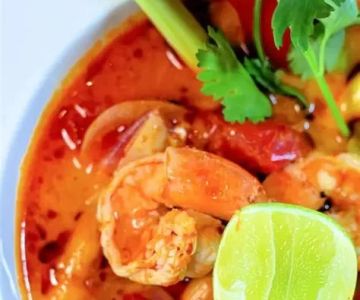
Shrimp works beautifully with coconut milk and aromatic herbs.
3. Keto-Friendly Version
Skip sugar entirely and focus on protein-rich ingredients while maintaining the coconut milk base.
4. Extra-Spicy Version
Add additional Thai bird's eye chilies for a more intense heat level.
Real-World Cooking Story and Lessons Learned
A food blogger from California shared an interesting experience while attempting to recreate Tom Kha Gai after visiting Thailand. Her first attempt used light coconut milk because she assumed it would be healthier. The result was watery and lacked the luxurious texture she remembered.
On her second attempt, she switched to premium full-fat coconut milk and reduced the heat during cooking. The difference was dramatic. Friends who tasted both versions immediately noticed the richer body and more authentic flavor profile.
This story highlights an important lesson: sometimes authenticity depends less on complexity and more on choosing the right ingredients and respecting traditional cooking methods.
Serving Ideas and Flavor Pairings
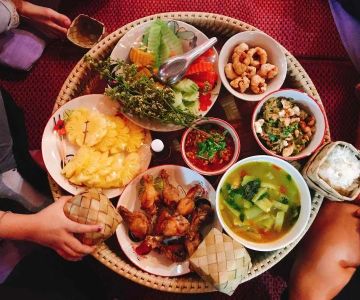
Tom Kha Gai is versatile enough to serve as either an appetizer or a main course.
1. Jasmine Rice
A bowl of steamed jasmine rice complements the soup's bold flavors and helps absorb the aromatic broth.
2. Fresh Herbs
Cilantro adds freshness and visual appeal.
3. Thai-Inspired Side Dishes
Fresh spring rolls, papaya salad, or grilled vegetables pair exceptionally well with the soup.
4. Family Gatherings
The comforting nature of Tom Kha Gai makes it ideal for shared meals and special occasions.
Storing and Reheating Without Losing Texture
Tom Kha Gai stores surprisingly well when handled correctly.
1. Refrigeration
Store leftovers in an airtight container for up to three days.
2. Gentle Reheating
Warm the soup slowly over low heat rather than bringing it to a full boil.
3. Fresh Lime Before Serving
Adding a small squeeze of fresh lime juice after reheating helps revive the soup's vibrant flavors.
Finding Quality Ingredients and Inspiration
One of the best ways to improve your homemade Tom Kha Gai is to start with quality ingredients. Specialty Asian markets often carry fresh galangal, authentic kaffir lime leaves, and premium coconut milk that can dramatically elevate the final dish.
For home cooks looking to explore more authentic Thai recipes, ingredient guides, cooking inspiration, and product recommendations, Thai Food can be a valuable resource. Learning from traditional methods while using quality ingredients allows anyone to create a creamy, dairy-free Tom Kha Gai that rivals restaurant versions.
Once you master how to make Thai Coconut Soup (Tom Kha Gai) creamy without dairy, you'll discover that coconut milk alone can create an incredibly rich and satisfying bowl of soup. The combination of aromatic herbs, balanced flavors, and naturally creamy texture makes this classic Thai favorite a recipe worth returning to again and again.

 Kare Thai4.0 (357 reviews)
 Heng Thai & Rotisserie4.0 (448 reviews)
 Our Thai Kitchen4.0 (69 reviews)
 Link Thai4.0 (145 reviews)
 Five Stars Thai Restaurant4.0 (647 reviews)
 Little Grenjai4.0 (240 reviews)
 The Best Thai Food Restaurants in Indianapolis for Authentic Thai
 How to Make Thai Food That’s Safe for Major Allergies (Nut-Free, Soy-Free)
 How to Make Thai Food That’s Budget-Friendly & Flavor-Rich
 What to Order at a Thai Restaurant If You’re Gluten-Free
 The Best Thai Food Recipes for Couples Cooking Together
 How to Make Thai Food That’s Worth Turning Leftovers Into Magic