
- 1 - Introduction to Coconut Milk in Thai Cuisine
- 2 - Why You Might Need a Coconut Milk Alternative
- 3 - Best Coconut Milk Substitutes for Thai Dishes
- 4 - How to Choose the Right Coconut Milk Alternative
- 5 - Tips for Cooking with Coconut Milk Alternatives
1 - Introduction to Coconut Milk in Thai Cuisine
Coconut milk is an essential ingredient in many Thai dishes, from creamy curries to refreshing soups. Its rich, velvety texture and subtle sweetness complement the bold flavors of Thai spices, making it a staple in traditional recipes. However, whether due to dietary restrictions, allergies, or a desire to try something different, many cooks seek alternatives to coconut milk in their Thai cooking.

Frankly Thai
Franklin SquareNassau CountyNew York
959 Hempstead Turnpike, Franklin Square, NY 11010, USA
Why Coconut Milk is So Popular in Thai Cooking
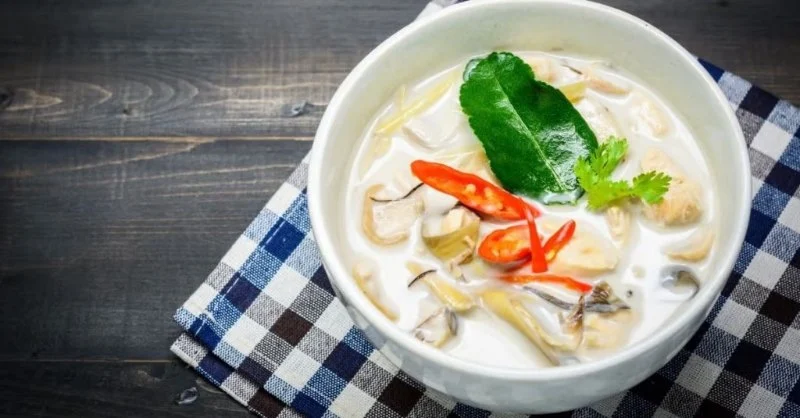
Coconut milk provides a unique balance of fat and sweetness, helping to mellow out spicy dishes while adding creaminess to soups and sauces. It's especially prominent in dishes like Tom Kha Gai (coconut chicken soup) and Green Curry, where it serves as the base that ties all the ingredients together. While coconut milk adds flavor and texture, there are other ingredients that can mimic its qualities if you're in need of a substitute.
Lemon Thai Cuisine Manchester NH
ManchesterHillsborough CountyNew Hampshire
470 S Main St, Manchester, NH 03102, USA
2 - Why You Might Need a Coconut Milk Alternative
There are several reasons why someone might choose to swap coconut milk in Thai recipes:
1. Dietary Restrictions
For those with allergies to coconut or individuals who are following a low-fat or dairy-free diet, coconut milk might not be an option. Substituting with another plant-based milk or cream can maintain the creamy consistency without compromising flavor.
2. Taste Preferences
Some people might simply not enjoy the distinct taste of coconut. If you're preparing Thai dishes for someone who doesn't enjoy coconut, using a more neutral alternative could help recreate the dish’s essence without the overpowering coconut flavor.
3. Availability
Coconut milk can sometimes be difficult to find, especially in regions where coconut products are less common. Thankfully, there are several accessible alternatives that can be found in most grocery stores, allowing you to still enjoy delicious Thai food without the hassle of sourcing specialty ingredients.
3 - Best Coconut Milk Substitutes for Thai Dishes
If you're in search of the perfect coconut milk replacement, here are some of the best options:
1. Almond Milk
Almond milk is a popular, dairy-free milk that works well as a coconut milk alternative in many Thai dishes. Its mild flavor won’t overpower the other ingredients, and its creamy consistency can mimic coconut milk in soups, curries, and sauces. Choose unsweetened almond milk to keep the flavor balance intact.
2. Cashew Cream
For a rich, creamy alternative, cashew cream is a fantastic option. Made from soaked cashews blended with water, cashew cream provides a creamy texture similar to coconut milk but with a milder, nutty flavor. It’s a great choice for creamy curries and soups.
3. Soy Milk
Soy milk is another common substitute for coconut milk. With its neutral taste and creamy texture, soy milk can easily replace coconut milk in many recipes. Be sure to use unsweetened soy milk to prevent added sweetness from interfering with the balance of your dish.
4. Oat Milk
Oat milk is a slightly sweeter alternative, but it provides a creamy texture that works well in many Thai recipes. Its natural sweetness can be offset by adjusting other flavors in your dish, making it a versatile substitute for coconut milk in both savory and sweet dishes.
5. Rice Milk with Coconut Oil
For a closer flavor profile, rice milk can be used with a small amount of coconut oil to mimic the creamy texture and coconut flavor of coconut milk. While rice milk alone is quite watery, combining it with coconut oil gives the dish a smooth consistency and subtle coconut essence.
4 - How to Choose the Right Coconut Milk Alternative
When selecting a coconut milk substitute, consider the following factors:
1. Desired Texture
If you need a thick, creamy texture, opt for alternatives like cashew cream or oat milk, which offer a fuller consistency. Lighter substitutes like almond or rice milk work better for dishes that require a thinner liquid.
2. Flavor Balance
Think about how the substitute will affect the overall flavor of your dish. Some plant-based milks, like almond milk, have a more neutral taste, while others, like oat milk, can add a subtle sweetness. Consider the flavor profile of the dish you're making and choose a substitute that complements it.
3. Dietary Considerations
Ensure the substitute you choose aligns with your dietary needs. For example, if you're vegan, opt for plant-based options. If you're avoiding nuts, make sure to choose alternatives like oat or soy milk.
5 - Tips for Cooking with Coconut Milk Alternatives
When cooking with coconut milk alternatives, here are a few tips to ensure your dish turns out just right:
1. Adjust Consistency
Some substitutes are thinner than coconut milk, so you may need to thicken your dish by adding a bit of cornstarch or flour, or by cooking it down for a few extra minutes to achieve the right consistency.
2. Balance Sweetness
Alternatives like oat milk and rice milk can be slightly sweeter than coconut milk, so be sure to balance the sweetness by adjusting the other ingredients in your dish. You can also choose unsweetened versions of plant-based milks to maintain control over the flavor balance.
3. Experiment and Taste
Each substitute has its own unique flavor and texture. Don’t hesitate to experiment with different alternatives and adjust the seasoning and spices to make sure your dish tastes just as delicious as when using coconut milk. Taste as you go and enjoy the creative process!
Now that you're equipped with these coconut milk alternatives and tips, it’s time to get cooking! Try out these swaps in your next Thai dish and explore how you can create flavorful, dairy-free, and delicious meals. For more tips and ingredient suggestions, visit Thai Food for the best products and services to elevate your cooking.





 Bangkok Spice4.0 (332 reviews)
 Suwun Thai Home Cooking4.0 (231 reviews)
 Niyom Thai Kitchen4.0 (678 reviews)
 Sweet Lemons Restaurant MA4.0 (229 reviews)
 Sweet Chilli4.0 (260 reviews)
![THE BOSS [Barrington, RI]](https://img.menuthaifood.com/d49/2510/187436066969640_150x150.webp) THE BOSS [Barrington, RI]4.0 (106 reviews)
THE BOSS [Barrington, RI]4.0 (106 reviews) How to Make Thai Food Work for a Tight Weeknight Schedule
 The Best Thai Food Recipes for Couples Cooking Together
 The Best Thai Food Recipes for Teaching Your Kids to Cook
 Best Thai Food Restaurants in Orlando for Flavor Explorers
 How to Make Thai Food That’s Perfect for a Sunday Meal Prep
 How to Make Thai Beef Jerky (Neua Dad Deow) at Home