
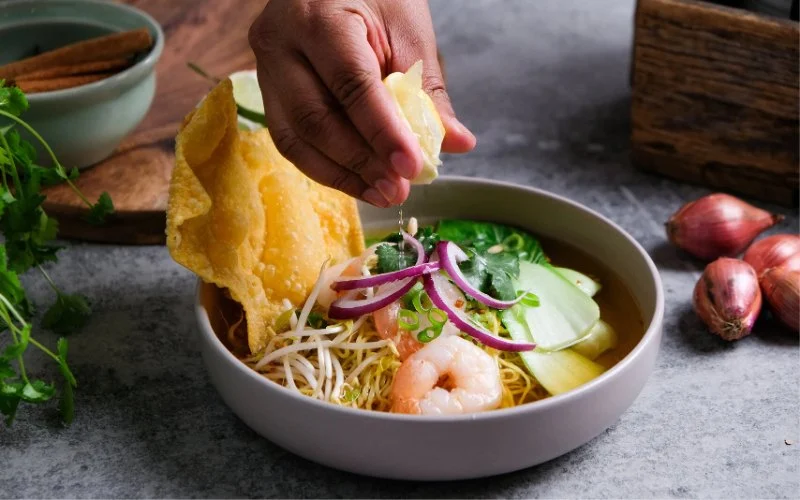
- 1 - Understanding Thai Food for International Guests
- 2 - Adapting Thai Flavors for Diverse Palates
- 3 - Adjusting Ingredients for Dietary Restrictions
- 4 - Cultural Sensitivities in Thai Food Preparation
- 5 - Tips for Serving Thai Food to International Guests
1 - Understanding Thai Food for International Guests
Thai food is known for its vibrant flavors, balancing sweet, sour, salty, and spicy elements. For international guests, however, some of these bold and unique flavors may be unfamiliar or overwhelming. To make Thai food more accessible, it's important to understand the variety of flavors and how to adjust them to cater to a wide range of palates.
For example, Thai cuisine incorporates an array of ingredients such as lemongrass, fish sauce, and tamarind, which may not be common in some countries. While these ingredients are integral to traditional Thai dishes, it's possible to adapt them without losing the essence of the dish, ensuring your international guests enjoy the meal without feeling overwhelmed.
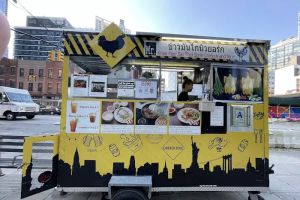
2 - Adapting Thai Flavors for Diverse Palates
One of the keys to making Thai food more adaptable is adjusting the level of spice, sourness, and sweetness. These adjustments can make a big difference when preparing dishes for guests who may not be accustomed to the strong flavors found in traditional Thai cooking.
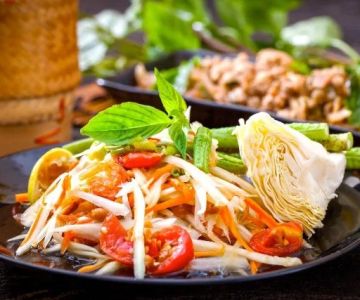
- Spice: Thai food is often associated with spiciness, but not everyone enjoys or can handle spicy food. When preparing dishes like green curry or som tam (papaya salad), reduce the amount of chili or offer chili on the side. This allows guests to add spice according to their preference without altering the integrity of the dish.
- Sourness: Dishes like Tom Yum soup can be quite sour due to the use of lime and tamarind. To balance this out, you can adjust the level of sourness or use milder citrus fruits, such as oranges or even lemon, to make it more approachable.
- Sweetness: Thai food often features a sweet element, especially in dishes like Pad Thai or certain curries. If your guests prefer less sweetness, reduce the sugar or palm sugar used in the recipe, and experiment with using natural sweeteners like honey or agave.
3 - Adjusting Ingredients for Dietary Restrictions
When serving Thai food to international guests, it’s essential to be mindful of dietary restrictions. Many traditional Thai ingredients, such as fish sauce, shrimp paste, and certain broths, may not be suitable for vegetarians, vegans, or those with food allergies. Fortunately, there are simple substitutions you can make without compromising the flavor of the dish.
- Vegetarian and Vegan Options: For vegetarians or vegans, replace fish sauce with soy sauce or a vegan-friendly alternative. Tofu can be used as a substitute for meat in many dishes, including stir-fries and curries.
- Gluten-Free Options: Thai cuisine offers many naturally gluten-free dishes, such as green curry, pad Thai, and rice-based dishes. Ensure that any sauces or pastes you use are gluten-free, as some may contain wheat or other gluten-based ingredients.
- Nut-Free Alternatives: If you have guests with nut allergies, avoid using peanuts or cashews, which are common in dishes like pad Thai or curry. Instead, try using toasted sunflower seeds or pumpkin seeds for crunch.
4 - Cultural Sensitivities in Thai Food Preparation
When preparing Thai food for international guests, it's also important to consider cultural sensitivities and preferences. Some guests may not be familiar with certain ingredients, while others may have strong opinions about how food should be prepared or served.
For example, in some cultures, the use of meat in cooking may not be acceptable, so offering plant-based options is a good way to ensure inclusivity. Additionally, the concept of "sharing" in Thai food culture—where dishes are served family-style and everyone shares from a common plate—may be unfamiliar to guests from cultures with different dining traditions. Be prepared to offer individual servings or explain the communal dining style to make guests feel more comfortable.

5 - Tips for Serving Thai Food to International Guests
Serving Thai food to international guests can be a rewarding experience, but it requires a bit of preparation. Here are some practical tips to help you create a welcoming and enjoyable dining experience:
- Prepare a Variety of Dishes: Since Thai cuisine offers a wide range of flavors, textures, and ingredients, prepare a variety of dishes to accommodate different tastes. Include a mix of savory, sweet, spicy, and mild options so that everyone can find something they enjoy.
- Explain the Ingredients: Since some Thai ingredients may be unfamiliar, take the time to explain them to your guests. This can be a fun opportunity to share the cultural significance of the dish and educate your guests about the flavors they are experiencing.
- Use Familiar Garnishes: Garnishes such as cilantro, lime, and chili can add a burst of color and flavor to any dish. However, some guests may not be familiar with these ingredients. Offer them on the side, allowing your guests to add their own garnishes according to their taste preferences.
By considering these factors and making thoughtful adjustments, you can serve delicious Thai food that is both authentic and adaptable to your international guests' preferences. Whether you're hosting a small dinner party or a larger gathering, Thai cuisine can be a great way to introduce new flavors while making sure everyone feels comfortable and satisfied.
For more ideas on adaptable Thai recipes and ingredients, check out Thai Food for expert tips, recipes, and product recommendations to make your Thai meals even more delicious!


 T Thai4.0 (471 reviews)
 Come On Thai4.0 (194 reviews)
 Sweet Basil Thai Restaurant4.0 (461 reviews)
 Thai Lan Xang Restaurant4.0 (62 reviews)
 Wilaiwan's Kitchen4.0 (218 reviews)
 MyThai Kitchen4.0 (137 reviews)
 Discover the Best Thai Food Restaurants in Kansas City for Hidden Gems
 How to Make Thai Food That’s Quick Enough for a Weekday Lunch Break: Easy & Flavorful Recipes
 Thai Food for Late-Night Cravings: Simple, Tasty & Quick
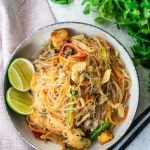 Thai Food for Gluten-Free Diners: Thai Style Rice Noodles & Substitutions
 The Best Thai Food Podcasts to Listen to While Cooking
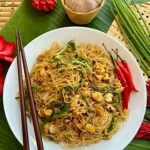 How to Make Thai Food That’s Kid-Friendly and Still Bold