
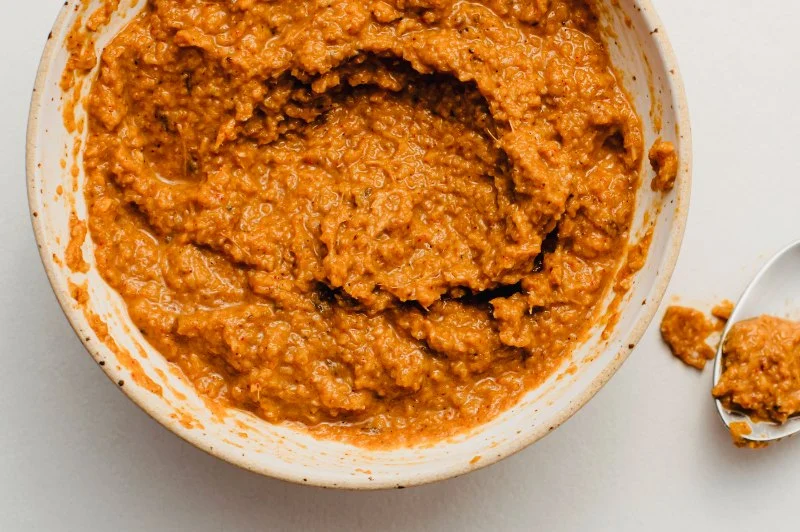
- 1-What-Is-Thai-Bean-Paste
- 2-Types-of-Thai-Bean-Paste
- 3-How-to-Use-Thai-Bean-Paste
- 4-Real-World-Examples-and-Stories
- 5-Tips-for-Buying-and-Storing
1. What Is Thai Bean Paste
Thai bean paste, also known as tao jiew, is a fermented soybean product that serves as a foundational flavor in many Thai dishes. It adds depth, umami, and a subtle saltiness to stir-fries, curries, and dipping sauces. Its robust flavor can transform simple ingredients into authentic Thai cuisine.
Nit Noi Norwalk
NorwalkWestern Connecticut Planning RegionConnecticut
95 Water St, Norwalk, CT 06854, USA
1.1 Flavor Profile
Thai bean paste has a rich, savory flavor with mild sweetness and fermented notes. The paste can vary in intensity, so it’s important to taste and adjust quantities according to your recipe.

1.2 Culinary Uses
It is commonly used in dishes like stir-fried morning glory, Thai green curry, and spicy bean pastes with vegetables or seafood. Even a small amount can enhance the flavor of sauces and marinades.
2. Types of Thai Bean Paste
2.1 Yellow Bean Paste
This variety is milder and often used in stir-fry dishes and sauces. Its subtle flavor blends well with vegetables, tofu, and meats.
2.2 Red or Brown Bean Paste
Stronger in flavor, these are ideal for curries and heavier sauces. They provide deeper umami notes and can stand up to richer ingredients like coconut milk and seafood.
2.3 Fermented Black Soybean Paste
Less common but highly aromatic, fermented black soybean paste is used for bold dishes, adding complex flavors and a slightly smoky note to your recipes.
3. How to Use Thai Bean Paste
3.1 Cooking Tips
Always dissolve the paste in a small amount of water or oil before adding it to stir-fries or sauces to ensure even distribution. Start with small quantities and adjust to taste.
3.2 Pairing Ingredients
Thai bean paste pairs well with garlic, chili, lemongrass, and coconut milk. Combining these ingredients allows you to build authentic Thai flavors in simple dishes at home.
3.3 Quick and Simple Recipes
For late-night or quick meals, mix bean paste with sautéed vegetables and tofu for a fast, flavorful stir-fry. Add jasmine rice or noodles for a complete meal. Minimal prep ensures a delicious Thai-inspired dish in under 20 minutes.
4. Real-World Examples and Stories
Consider Sarah, who wanted to recreate a restaurant-style Thai green curry at home. By following instructions from Thai Food and using yellow bean paste, she achieved a flavorful, balanced curry in just 25 minutes. Her friends were impressed, highlighting how proper use of bean paste elevates home-cooked Thai meals.
Another story involves Jason, a busy professional who experimented with quick stir-fry dishes. Using a small spoon of red bean paste with vegetables and tofu, he discovered that the paste added depth and authentic flavor without complicated steps, making it perfect for late-night cooking.
5. Tips for Buying and Storing
5.1 Buying Tips
Choose reputable brands or fresh products from Asian grocery stores. Look for pastes with clear labels, minimal preservatives, and authentic Thai origins.
5.2 Storage Tips
Once opened, store Thai bean paste in an airtight container in the refrigerator. Proper storage preserves flavor and extends shelf life, allowing you to use it for multiple dishes over time.
By understanding the types, uses, and preparation methods of Thai bean paste, and following practical tips from Thai Food, you can easily incorporate this essential ingredient into simple, tasty, and authentic Thai dishes at home.


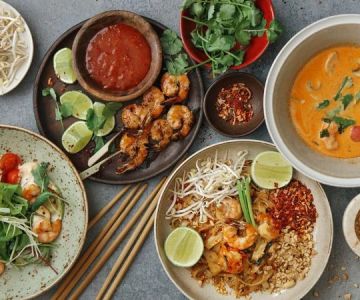

 Muang Thai Restaurant4.0 (82 reviews)
 Aileen Thai5.0 (51 reviews)
 Siam Village4.0 (155 reviews)
 Siam Basil Thai Restaurant4.0 (360 reviews)
 Mai Thai Cuisine of Smithfield4.0 (410 reviews)
 Xay’s Kitchen Laos & Thai Cuisine4.0 (69 reviews)
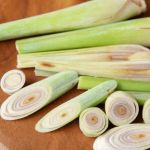 Thai Food Ingredient Guide: Lemongrass – Uses, Pairings & Storage
 Thai Food for Summer: Light, Fresh & Flavor-Packed Recipes to Try
 Thai Food for Holiday Brunch: Thai-Inspired Morning Treats
 The Best Thai Food Restaurants in Providence for Thai Bliss
 The Best Thai Food Restaurants in Chicago You Must Try
 How to Make Thai Food That’s Easy for First-Time Cooks