
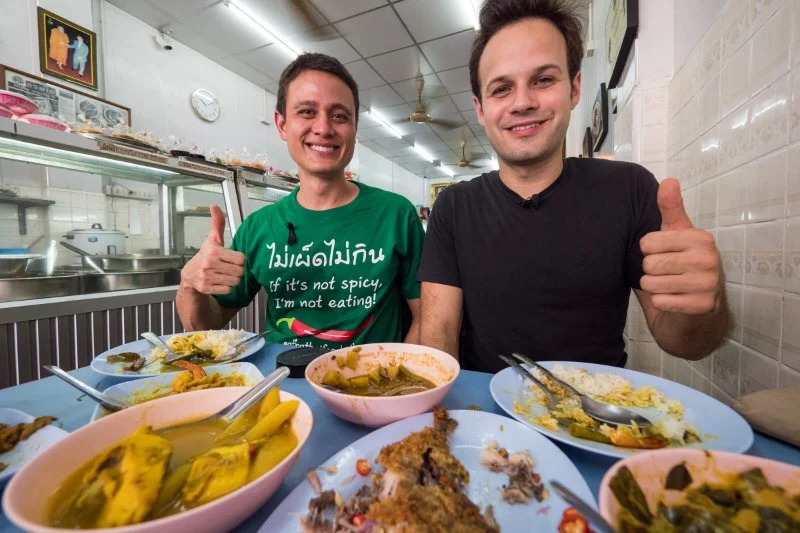
1. Understanding Sustainability in Thai Food
Sustainability has become an important consideration in the world of food, and Thai cuisine is no exception. Sustainability in Thai food involves making choices that not only satisfy your taste buds but also minimize environmental impact and promote social responsibility. This includes selecting ingredients that are produced in an eco-friendly manner, supporting fair labor practices, and reducing food waste.
While Thai food is known for its bold flavors, vibrant ingredients, and rich cultural heritage, it also relies on a variety of fresh, locally sourced products. The growing demand for Thai food worldwide presents an opportunity to explore how Thai food production and consumption can be done in a way that respects both the planet and the people involved in the process.

2. The Importance of Sustainable Ingredients in Thai Cuisine
The foundation of sustainable Thai food lies in choosing the right ingredients. Thai cuisine is built on the use of fresh herbs, vegetables, fish, meat, and rice, all of which come from different sources. Making responsible choices when sourcing these ingredients can have a significant impact on sustainability.
For instance, fish and seafood are key components of many Thai dishes, but overfishing has become a major issue in the global food system. Opting for sustainably sourced seafood or plant-based alternatives, such as tofu or tempeh, helps reduce environmental strain on ocean ecosystems.
Similarly, rice, a staple of Thai meals, should be sourced from farms that use environmentally friendly farming practices. Choosing organic rice or rice grown without harmful pesticides supports soil health and reduces the overall environmental footprint of your meal.

3. How to Make Responsible Choices at Thai Restaurants
Dining at Thai restaurants provides an excellent opportunity to support sustainability. Here are some tips for making responsible choices when eating out:
- Inquire About Sourcing: Don’t be afraid to ask the restaurant staff about where the ingredients come from. Many sustainable Thai restaurants will be happy to share information about their sourcing practices, including whether they prioritize local, organic, or ethically raised products.
- Choose Plant-Based Options: Thai cuisine offers a wide variety of delicious vegetarian and vegan options. Opting for plant-based dishes not only helps reduce your carbon footprint but also supports sustainable agriculture.
- Avoid Overfishing: When selecting seafood dishes, ask if the fish or shellfish is sustainably sourced. Many restaurants offer sustainably sourced shrimp, crab, and fish as part of their menu.
- Minimize Food Waste: Thai food portions can be large, so be mindful of how much you order. If you’re not able to finish your meal, consider asking for a takeaway box to enjoy later. This helps minimize food waste and ensures that resources aren’t being unnecessarily used.
4. Environmental Impact of Thai Food Sourcing and Farming
The sourcing and farming methods used to produce Thai ingredients play a significant role in the sustainability of the cuisine. Conventional farming methods, especially in tropical regions, often rely on harmful pesticides and excessive water use, which can lead to soil degradation and water pollution. On the other hand, sustainable farming practices aim to reduce the environmental footprint of food production by utilizing organic methods, reducing water consumption, and protecting biodiversity.
One of the biggest environmental impacts in Thai food sourcing comes from palm oil production, which is often used in cooking. Palm oil is grown in large plantations that contribute to deforestation and loss of biodiversity. By choosing Thai restaurants or products that use sustainably sourced palm oil or alternative oils like coconut oil, you can reduce your environmental impact.
Additionally, sustainable fish farming methods, such as aquaculture, aim to reduce overfishing and ensure that marine ecosystems are protected for future generations. Supporting businesses that implement responsible sourcing methods can help promote these environmentally conscious practices.
5. Supporting Sustainable Thai Food Businesses
As a consumer, one of the most powerful ways to encourage sustainability in Thai food is by supporting businesses that prioritize sustainable practices. Look for Thai restaurants, food markets, and brands that are committed to sourcing ingredients responsibly, reducing waste, and promoting social and environmental responsibility.
Many sustainable Thai food businesses go beyond just sourcing ingredients—they also implement waste-reduction programs, use biodegradable packaging, and engage in community initiatives to support local farmers and producers. By supporting these businesses, you are helping to create a demand for sustainable Thai food practices that can ultimately drive change throughout the industry.
If you’re looking for more sustainable Thai food options, visit Thai Food for a curated list of restaurants and products that align with responsible sourcing and eco-friendly practices. Whether you’re cooking at home or dining out, you can make a positive impact by choosing Thai food that supports both people and the planet.






 Coconut Thai Wellesley4.0 (236 reviews)
 Thai Place4.0 (434 reviews)
 Noodles & Rice Bistro4.0 (369 reviews)
 Siam Valley Thai Restaurant4.0 (176 reviews)
 @BK Thai4.0 (106 reviews)
 SLA thai restaurant4.0 (547 reviews)
 The Best Thai Food Instagram Accounts to Follow for Inspiration
 How to Make Thai Stir-Fried Morning Glory (Pad Pak Boong) at Home
 Thai Food Ingredient Guide: Tamarind Paste & Its Many Uses
 Thai Food Ingredient Guide: Thai Bean Paste — How to Use It
 The Best Thai Food Recipes for a Mid-Week Reset Meal – Flavorful & Easy Thai Dishes
 How to Make Thai Food That’s Great for Batch Cooking & Freezing