
- 1-authentic-Thai-pork-leg-stew-Khao-Kha-Moo-basics - Understanding the dish and flavor foundation
- 2-ingredients-for-Thai-braised-pork-leg-recipe - Essential ingredients and substitutions
- 3-step-by-step-cooking-method-slow-braised-pork - Traditional cooking process explained
- 4-street-food-style-Khao-Kha-Moo-serving - How Thai vendors present the dish
- 5-real-story-of-Thai-street-food-experience - Cultural context and travel inspiration
- 6-common-mistakes-when-making-Thai-pork-leg-stew - What to avoid for authentic taste
- 7-serving-ideas-and-modern-Thai-food-experience - How to enjoy it at home or in restaurants
1. Understanding the Heart of Thai Pork Leg Stew
Why Khao Kha Moo is more than just comfort food
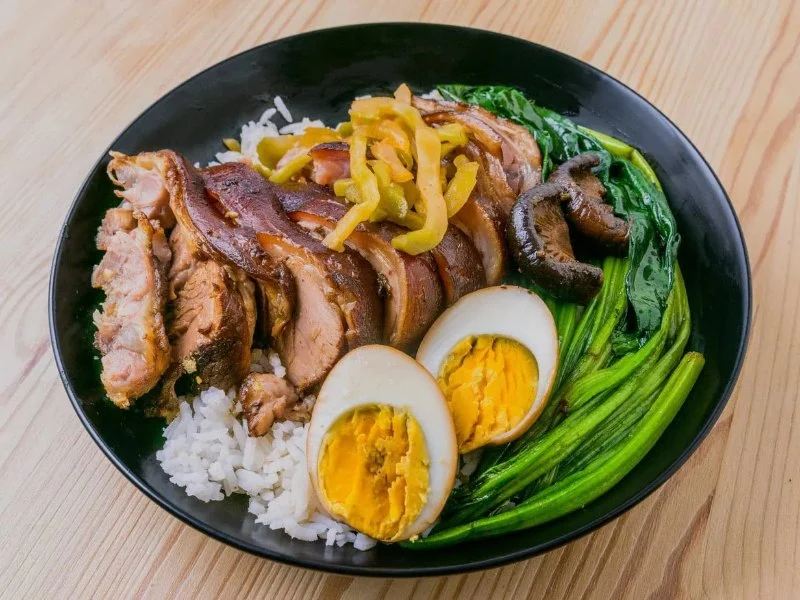
When people search for How to Make Thai Pork Leg Stew (Khao Kha Moo), they are often expecting a simple recipe. But in Thailand, this dish is much more than food. It is a slow-cooked expression of street culture, patience, and balance between sweet, salty, and aromatic spices.
The dish is built around pork leg that is braised until it becomes meltingly tender, often served over rice with a rich, glossy sauce. It is one of those meals that feels both humble and deeply satisfying, commonly found in night markets and roadside stalls across Bangkok.
The emotional connection behind the dish
Many Thai locals associate this dish with early morning breakfasts or late-night comfort meals. Vendors often start cooking hours before sunrise, letting the pork simmer slowly in a fragrant broth filled with soy sauce, cinnamon, star anise, and garlic.

2. Ingredients That Create Authentic Flavor Depth
The foundation of the braising liquid
To understand How to Make Thai Pork Leg Stew (Khao Kha Moo), you must first understand the importance of its broth. The base usually includes dark soy sauce, light soy sauce, palm sugar, garlic, coriander root, cinnamon sticks, and star anise. These ingredients create a layered sweetness and warmth that defines the dish.
Choosing the right pork cut
Authentic versions always use pork leg or pork hock. The connective tissue and fat break down during slow cooking, creating a silky texture that cannot be replicated with lean cuts. This is what gives the dish its signature richness.
Optional but important additions
Some regional versions include boiled eggs simmered in the same broth, absorbing the flavor over time. Pickled mustard greens are also commonly served on the side to balance the richness of the meat.
3. Slow Cooking Method That Builds Deep Flavor
Initial searing for flavor development
The cooking process begins by lightly searing the pork leg. This step is often overlooked by beginners, but it helps lock in flavor and adds depth to the final dish.
The long braise that defines the dish
Once the pork is seared, it is submerged in the spiced broth and left to simmer for several hours. The key to success is low and slow heat. Rushing this process results in tough meat and underdeveloped flavor.
How Thai vendors achieve consistent results
Street vendors in Bangkok often keep large pots simmering throughout the day. Instead of making small batches, they continuously replenish the broth, allowing the flavors to become more complex over time.
4. Street Food Style Serving That Defines the Experience
The classic plate presentation
In Thailand, Khao Kha Moo is typically served over steamed jasmine rice. The pork is sliced thick, topped with a ladle of rich sauce, and paired with pickled vegetables and sometimes a boiled egg.
The importance of condiments
A small bowl of chili vinegar or fresh garlic chili sauce is often provided on the side. This allows diners to adjust the flavor intensity according to personal preference.
Why street food versions taste different
Street food versions often taste more intense because the broth is continuously reused and reduced. This creates a concentrated flavor profile that home cooks sometimes struggle to replicate.
5. A Real Experience From Bangkok’s Night Markets
Walking through a late-night food stall
A traveler visiting Bangkok once described stumbling upon a small food stall near Ratchada Night Market. The aroma of slow-braised pork filled the air long before the stall was visible.
The moment the dish changed perception
After ordering a plate of Khao Kha Moo, the traveler expected something heavy and greasy. Instead, the meat was tender, balanced, and surprisingly light due to the acidity from pickled greens.
Why that moment matters for home cooks
That experience highlights an important lesson for anyone learning How to Make Thai Pork Leg Stew (Khao Kha Moo): balance matters more than intensity. Without acidity and spice contrast, the dish can feel overwhelming.
6. Common Mistakes That Affect Authentic Flavor
Rushing the cooking process
One of the biggest mistakes is trying to speed up the braising process. The collagen in pork leg needs time to break down properly, and reducing cooking time significantly impacts texture.
Overloading with sugar
Some home versions become overly sweet, losing the savory depth that defines authentic Thai cooking. Palm sugar should be balanced carefully with soy sauce and spices.
Ignoring broth reuse techniques
Professional vendors reuse and refine their broth over time. Home cooks often discard it too early, missing out on deeper flavor development.
7. Enjoying Thai Pork Leg Stew in Modern Kitchens
How modern kitchens adapt traditional recipes
Today, many restaurants and home cooks are reinterpreting this dish with pressure cookers or slow cookers to reduce cooking time while preserving flavor.
Bringing Thai street food into American homes
In the United States, interest in Thai cuisine has grown significantly. Many food lovers now recreate dishes like Khao Kha Moo at home after discovering them in Thai restaurants or food festivals.
Where to explore more authentic Thai ingredients
If you are serious about mastering How to Make Thai Pork Leg Stew (Khao Kha Moo), sourcing authentic ingredients is essential. Platforms like Thai Food can help you discover traditional spices, sauces, and cooking tools that bring your dish closer to street-level authenticity.
Final culinary reflection for home cooks
Cooking Khao Kha Moo is not just about following steps. It is about understanding patience, layering flavors, and respecting the slow transformation of simple ingredients into something deeply comforting. When done right, it becomes more than a meal—it becomes an experience that connects you directly to Thai street food culture.

 Red Basil Thai Cuisine4.0 (481 reviews)
 Thai Kitchen4.0 (429 reviews)
 Malii Gramercy4.0 (1501 reviews)
 Nisa's Thai4.0 (304 reviews)
 Nimman Thai Eatery4.0 (109 reviews)
 Chang Thai Kitchen4.0 (212 reviews)
 Thai Food Ingredient Swap: Coconut Sugar vs Palm Sugar — Which to Use?
 The Best Thai Food Podcasts to Cook Along With
 Thai Food Ingredient Guide: Lemongrass – Uses, Pairings & Storage
 The Best Thai Food Recipes for Vegans Who Miss Bold Flavors
 The Best Thai Food Blogs for Street–Food Lovers
 Thai Food for Busy Couples: Quick & Delicious Thai Meals