
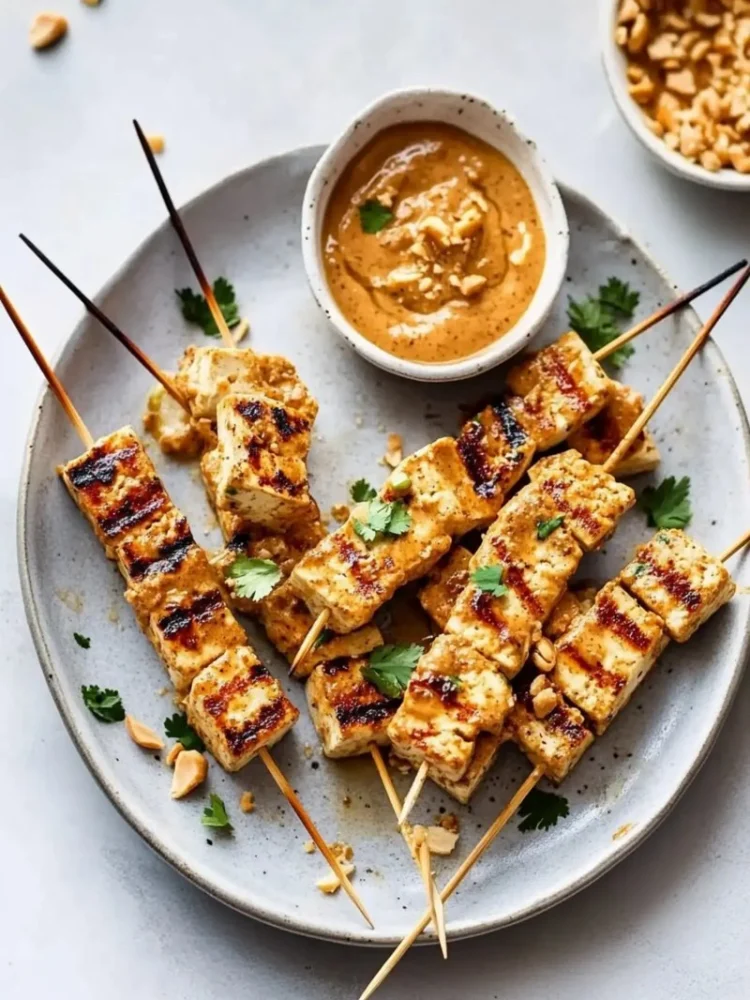
- Why Tofu Satay Has Become a Favorite
- Understanding the Origins of Satay
- Choosing the Best Tofu for Satay
- Building Flavor with the Perfect Marinade
- How to Make Tofu Satay with Peanut Sauce Step by Step
- Crafting a Rich and Creamy Peanut Sauce
- Common Mistakes and How to Avoid Them
- Creative Ways to Serve Tofu Satay
- Real Home Cooking Success Story
- Advanced Techniques for Restaurant Quality Results
- Nutrition and Health Benefits
- Finding the Best Ingredients and Kitchen Essentials
Why Tofu Satay Has Become a Favorite
Learning how to make tofu satay with peanut sauce is one of the most rewarding culinary skills for home cooks who love bold flavors and satisfying plant-based meals. This dish combines smoky grilled tofu, aromatic spices, and a rich peanut dipping sauce that creates an unforgettable combination of textures and tastes.
Over the last decade, tofu satay has become increasingly popular among vegetarians, vegans, flexitarians, and even dedicated meat lovers. The reason is simple: when prepared correctly, tofu absorbs marinades exceptionally well and develops a deliciously savory character that pairs perfectly with nutty peanut sauce.
Many people first encounter satay at Southeast Asian restaurants and assume it requires professional kitchen equipment. In reality, home cooks can achieve outstanding results with a few simple techniques and quality ingredients.
Understanding the Origins of Satay
Before diving into the recipe, it helps to understand the cultural background behind satay. Satay is widely associated with Southeast Asian cuisine, particularly Indonesia, Thailand, and Malaysia. Traditionally, satay consists of marinated skewered meat grilled over charcoal and served with flavorful sauces.
Blue Elephant Restaurant
WilbrahamHampden CountyMassachusetts
2000 Boston Rd, Wilbraham, MA 01095, USA
1. Traditional Satay Preparation
Authentic satay recipes often feature chicken, beef, or lamb. The meat is marinated in spices and grilled over open flames, creating a smoky aroma that defines the dish.
2. Modern Plant-Based Adaptations
As plant-based cooking gained popularity worldwide, chefs began experimenting with tofu as a substitute. Tofu's ability to absorb flavor made it an ideal candidate for recreating the satay experience.
3. Why Tofu Works So Well
Unlike many meat alternatives, tofu has a neutral flavor profile. This neutrality allows marinades containing soy sauce, garlic, ginger, and spices to penetrate deeply, creating complex flavor throughout each piece.
Choosing the Best Tofu for Satay
Selecting the correct tofu is often the difference between average and exceptional results.
1. Extra-Firm Tofu Is the Best Choice
Extra-firm tofu contains less water than softer varieties, making it easier to grill and less likely to break apart on skewers.
Why Firmness Matters
Firm tofu maintains its shape during cooking, develops a crispy exterior, and provides a satisfying bite that mimics traditional satay textures.
2. Pressing the Tofu Properly
One of the most overlooked steps is removing excess moisture.
Wrap tofu in clean kitchen towels, place a heavy skillet on top, and let it sit for at least 30 minutes. This process creates more space within the tofu structure for absorbing marinade.
3. Freezing for Better Texture
Many experienced home cooks freeze tofu overnight before thawing it. This creates a chewier texture that many people find closer to traditional grilled protein.
Building Flavor with the Perfect Marinade
A flavorful marinade transforms tofu from bland to extraordinary.
1. Essential Ingredients
A balanced tofu satay marinade typically includes:
- Soy sauce
- Garlic
- Fresh ginger
- Lime juice
- Brown sugar
- Turmeric
- Coriander
- Cumin
2. The Science Behind Marination
Salt from soy sauce helps season the tofu internally, while acids such as lime juice brighten the flavor profile. Aromatics contribute depth and complexity.
3. Ideal Marinating Time
While 30 minutes can work, allowing tofu to marinate for 4 to 8 hours delivers significantly better flavor.
How to Make Tofu Satay with Peanut Sauce Step by Step
1. Gather Ingredients
For the tofu:
- 1 block extra-firm tofu
- 2 tablespoons soy sauce
- 1 tablespoon lime juice
- 2 cloves garlic, minced
- 1 teaspoon grated ginger
- 1 teaspoon brown sugar
- 1 teaspoon turmeric
- 1 teaspoon coriander
For the peanut sauce:
- 1/2 cup peanut butter
- 1 tablespoon soy sauce
- 1 tablespoon maple syrup
- 1 teaspoon rice vinegar
- 1 teaspoon sesame oil
- Warm water as needed
2. Prepare the Tofu
Press the tofu thoroughly and cut it into uniform cubes or strips. Consistent sizing ensures even cooking.
3. Marinate
Combine marinade ingredients and coat the tofu evenly. Refrigerate for several hours.
4. Assemble Skewers
Thread tofu pieces carefully onto soaked bamboo skewers.
5. Grill or Roast
Cook over medium-high heat until lightly charred on all sides. This usually takes 10 to 15 minutes.
Alternative Cooking Methods
If outdoor grilling is unavailable, use:
- Grill pan
- Air fryer
- Conventional oven
- Broiler
Crafting a Rich and Creamy Peanut Sauce
The sauce often becomes the star of the meal.
1. Balancing Flavor Components
A great peanut sauce combines sweetness, saltiness, acidity, and richness.
Sweetness
Maple syrup or brown sugar creates depth.
Acidity
Rice vinegar or lime juice prevents the sauce from feeling overly heavy.
Umami
Soy sauce contributes savory complexity.
2. Achieving the Perfect Consistency
Add warm water gradually while whisking. The sauce should be thick enough for dipping but fluid enough to drizzle.
3. Optional Flavor Enhancers
- Red curry paste
- Chili flakes
- Coconut milk
- Fresh cilantro
- Lemongrass
Common Mistakes and How to Avoid Them
1. Skipping the Pressing Process
Too much moisture prevents proper browning and weakens flavor absorption.
2. Using Soft Tofu
Silken or soft tofu lacks structural integrity and may fall apart during cooking.
3. Overcrowding the Grill
Proper spacing allows heat circulation and better caramelization.
4. Making Peanut Sauce Too Thick
Gradual dilution ensures a smooth and enjoyable texture.
Creative Ways to Serve Tofu Satay
1. Traditional Rice Accompaniment
Serve with jasmine rice or coconut rice for a satisfying meal.
2. Fresh Vegetable Platters
Cucumber, carrots, and cabbage provide refreshing contrast.
3. Party Appetizers
Mini skewers served with individual dipping cups are perfect for entertaining guests.
4. Grain Bowls
Combine tofu satay with quinoa, edamame, shredded vegetables, and extra peanut sauce.
Real Home Cooking Success Story
One home cook shared her experience after transitioning to a plant-based lifestyle. She initially struggled to find recipes that satisfied both her vegetarian preferences and her family's expectations. After learning how to make tofu satay with peanut sauce, she served it during a weekend family gathering.
Her husband, a lifelong barbecue enthusiast, assumed the dish would be bland. Instead, the smoky grilled tofu and rich peanut sauce became the most requested item at the table. Today, it remains a regular part of their meal rotation and has inspired several friends to experiment with plant-based cooking.
Stories like this demonstrate that flavorful cooking often depends more on technique and seasoning than on the primary protein itself.
Advanced Techniques for Restaurant Quality Results
1. Double Marination Method
Some chefs reserve a portion of fresh marinade and apply it during cooking for deeper flavor development.
2. Controlled Char Development
Slight charring contributes complexity without creating bitterness.
3. Layering Sauces
Instead of serving only one sauce, consider adding a small cucumber relish or chili sauce alongside the peanut sauce.
4. Temperature Management
Allow tofu to rest briefly after grilling. This helps preserve moisture and texture.
Nutrition and Health Benefits
1. Plant-Based Protein
Tofu delivers high-quality protein while remaining relatively low in saturated fat.
2. Heart-Conscious Ingredients
Many ingredients used in tofu satay recipes support balanced eating habits when consumed as part of a varied diet.
3. Fiber and Micronutrients
When paired with vegetables and whole grains, tofu satay contributes valuable fiber, vitamins, and minerals.
4. Suitable for Many Diets
With minor modifications, tofu satay can fit vegan, vegetarian, dairy-free, and many gluten-conscious meal plans.
Finding the Best Ingredients and Kitchen Essentials
The quality of ingredients significantly affects the final result. Fresh garlic, quality soy sauce, natural peanut butter, and properly pressed tofu create a noticeable difference in flavor.
Many home cooks discover that investing in a simple tofu press, quality skewers, and a reliable grill pan dramatically improves consistency. Those looking to explore additional recipes, cooking tools, ingredients, and meal inspiration often find valuable resources through Thai Food, where a wide range of food-related recommendations can help elevate home cooking experiences.
1. Building Confidence Through Practice
Mastering tofu satay rarely happens after a single attempt. Each batch teaches valuable lessons about marinating, grilling temperatures, and sauce balance.
2. Experimenting with Regional Variations
Different regions incorporate unique spices, herbs, and preparation methods. Exploring these variations can transform a simple recipe into an exciting culinary journey.
3. Taking Your Home Cooking Further
Once you have mastered how to make tofu satay with peanut sauce, countless opportunities open up. The same techniques can be applied to vegetables, tempeh, mushrooms, and other plant-based ingredients. Every successful batch builds confidence and encourages deeper exploration into Southeast Asian-inspired cuisine.
For anyone passionate about creating memorable meals at home, now is the perfect time to refine your skills, discover premium ingredients, and explore new cooking possibilities. Learn more about authentic flavors, cooking essentials, and recipe inspiration through Thai Food to take your homemade tofu satay experience to the next level.
 The Thai4.0 (530 reviews)
 Thairiffic in the Valley4.0 (194 reviews)
 Thai Riverside4.0 (185 reviews)
 Siam 9 Thai Cuisine - Holden4.0 (259 reviews)
 Asian Gourmet4.0 (108 reviews)
 Sunrise 2 Authentic Thai Food (Bryn Mawr Location)4.0 (46 reviews)
 Thai Food Ingredient Guide: Lemongrass – Uses, Pairings & Storage
 How to Scale Thai Recipes for Meal Prep & Freezer Meals | Easy Tips for Delicious Prep
 Thai Food Ingredient Spotlight: Palm Sugar – How to Substitute & Use
 Thai Food for Solo Cooks: Quick, Flavor-Packed Meals for One
 Thai Food Myths Debunked: What Really Makes It 'Authentic'? | Thai Food
 The Best Thai Food Recipes for Teaching Your Kids to Cook