
- thai-red-curry-basics - Understanding the origins and importance of Thai red curry paste
- essential-ingredients - Key ingredients that create authentic flavor
- ingredient-preparation - Preparing herbs, spices, and aromatics correctly
- video-step-1 - Building the flavor foundation
- video-step-2 - Grinding and blending techniques
- video-step-3 - Achieving authentic texture and consistency
- common-mistakes - Mistakes beginners should avoid
- using-red-curry-paste - Creative ways to use homemade curry paste
- storage-and-preservation - Keeping curry paste fresh longer
- real-cooking-stories - Experiences from home cooks learning Thai cuisine
- thai-food-resources - Finding trusted Thai cooking recommendations
Understanding the Origins and Importance of Thai Red Curry Paste
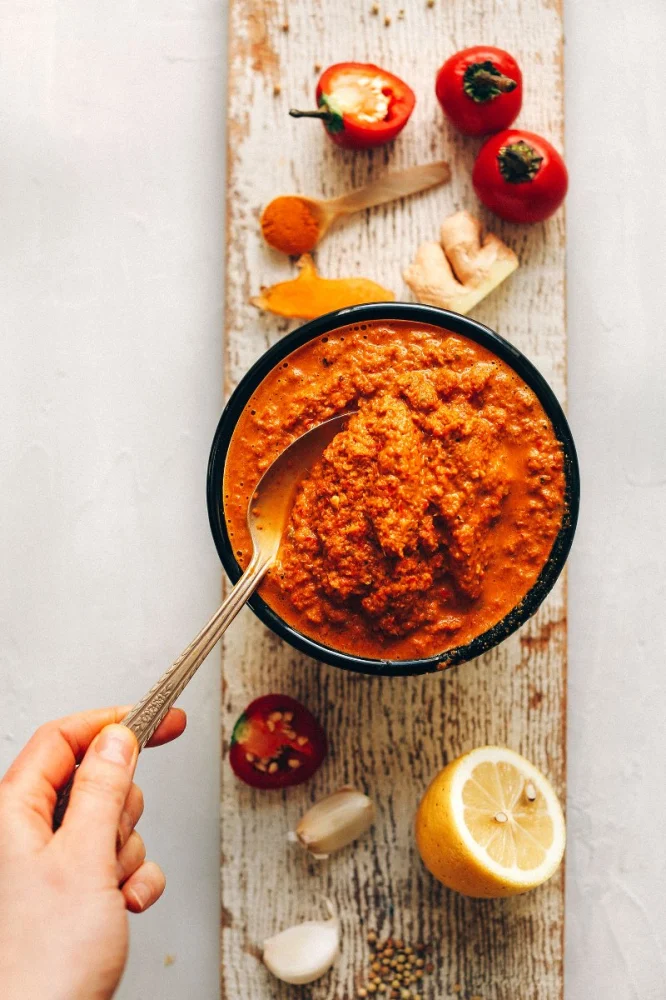
Anyone searching for How to Make Thai Red Curry Paste (Video Steps) is usually looking for more than a simple recipe. They want to recreate one of Thailand’s most iconic culinary foundations at home. Thai red curry paste serves as the heart of countless dishes, providing the rich aroma, balanced heat, and complex flavor that define authentic Thai cooking.
In traditional Thai households, curry paste is often prepared from scratch rather than purchased pre-made. While modern convenience products have become popular worldwide, experienced Thai cooks frequently emphasize that freshly made curry paste delivers significantly deeper flavor and aroma.
Thai cuisine is built upon balance. Sweetness, spice, acidity, saltiness, and herbal freshness all work together to create harmony. Red curry paste represents this philosophy perfectly, combining fresh herbs, dried chilies, spices, and aromatic roots into a concentrated flavor base.
For generations, families throughout Thailand have gathered ingredients from local markets early in the morning and prepared curry pastes using traditional stone mortars and pestles. This process is not simply cooking—it is a cultural tradition passed down through generations.
Key Ingredients That Create Authentic Flavor
The quality of Thai red curry paste depends heavily on its ingredients. Authentic recipes use fresh components whenever possible because freshness directly impacts aroma and flavor intensity.

1. Dried Red Chilies
Red chilies provide the characteristic color and heat. Different varieties offer varying spice levels, allowing cooks to customize the paste according to preference.
2. Lemongrass
Lemongrass contributes a bright citrus note that balances the richness of the curry. Its fresh aroma is one of the defining characteristics of Thai cuisine.
3. Galangal
Often compared to ginger, galangal has a sharper, more earthy flavor that gives curry paste its distinctive depth.
4. Garlic and Shallots
These ingredients form the savory backbone of the paste and help create a rounded flavor profile.
5. Kaffir Lime Zest
This ingredient introduces an intense citrus fragrance that elevates the overall complexity of the paste.
6. Coriander Root and Seeds
Many authentic Thai recipes use both coriander roots and seeds to add herbal richness and subtle spice.
7. Shrimp Paste
A small amount of shrimp paste provides umami and contributes to the authentic taste found in traditional Thai curries.
Preparing Herbs, Spices, and Aromatics Correctly
One of the biggest differences between average curry paste and exceptional curry paste lies in preparation. Professional Thai chefs spend considerable time preparing ingredients before blending begins.
Dried chilies are typically soaked in warm water until softened. This process makes them easier to grind while helping release their natural oils.
Lemongrass should be finely sliced, focusing on the tender lower sections of the stalk. Galangal is usually peeled and cut into small pieces to simplify grinding.
Shallots and garlic may be lightly roasted to enhance sweetness and complexity. Some traditional cooks also toast coriander seeds before incorporating them into the mixture.
These small preparation techniques may seem minor, but they significantly affect the final flavor profile.
Video Step 1: Building the Flavor Foundation
In most cooking demonstrations showing how to make Thai red curry paste, the first major step focuses on layering flavors strategically.
The process typically begins with the driest ingredients. Coriander seeds, peppercorns, and other dry spices are often crushed first. Breaking these ingredients down early ensures even distribution throughout the paste.
Next, aromatic roots and herbs are added. Galangal, lemongrass, coriander root, and kaffir lime zest begin forming the fragrance base that distinguishes Thai curry from many other curry styles around the world.
This stage often determines how aromatic the final paste becomes, making patience especially important.
Video Step 2: Grinding and Blending Techniques
Traditional Thai cooks often prefer a mortar and pestle because it crushes ingredients rather than cutting them. This method helps preserve essential oils and releases flavors gradually.
Modern home cooks frequently use food processors or high-powered blenders for convenience. While these tools save time, achieving authentic texture requires attention to detail.
The grinding process should be gradual. Ingredients are added in stages rather than all at once. This ensures smoother consistency and better flavor integration.
Professional Thai chefs often describe the process as "building layers," where each ingredient contributes something unique to the overall flavor profile.
Traditional Approach
The mortar-and-pestle method creates a slightly textured paste with exceptional aroma.
Modern Approach
Food processors produce smoother results and are ideal for larger batches.
Video Step 3: Achieving Authentic Texture and Consistency
One of the most overlooked aspects of homemade Thai red curry paste is texture. Many beginners focus solely on flavor while ignoring consistency.
An authentic curry paste should be thick enough to hold its shape but soft enough to blend easily into sauces and soups.
If the mixture appears too dry, small amounts of water may be added. If it becomes too wet, additional aromatics or chilies can help restore balance.
Experienced cooks often perform a simple test by pressing a spoon into the paste. The indentation should remain visible briefly before slowly settling.
Common Mistakes Beginners Should Avoid
Learning how to make Thai red curry paste involves trial and error. Several common mistakes frequently appear among first-time cooks.
Using Old Ingredients
Fresh herbs and spices are essential. Aging ingredients lose aromatic oils and produce weaker flavors.
Skipping Preparation Steps
Failing to soak chilies or properly slice aromatics can lead to uneven texture and inconsistent flavor.
Overprocessing Ingredients
Excessive blending can sometimes create a paste that lacks character and depth.
Ignoring Balance
Thai cooking is built on harmony. Excessive heat or overpowering aromatics can throw the entire recipe off balance.
Creative Ways to Use Homemade Curry Paste
Once the curry paste is complete, its versatility becomes apparent. Traditional Thai red curry remains the most common application, but many cooks use the paste in additional ways.
Classic Thai Red Curry
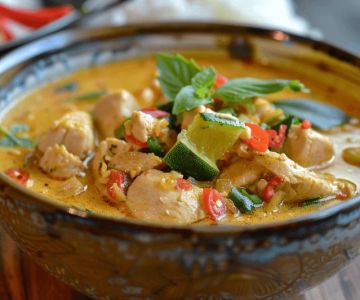
Combined with coconut milk, vegetables, and proteins, homemade paste creates a restaurant-quality meal.
Thai Noodle Dishes
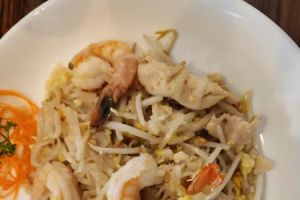
A small amount of curry paste can transform stir-fried noodles into flavorful fusion dishes.
Marinades
Mixing curry paste with oil creates an excellent marinade for chicken, seafood, or vegetables.
Soups and Stews
The paste adds depth and complexity to broths and slow-cooked dishes.
Keeping Homemade Curry Paste Fresh
Proper storage helps preserve flavor and maximize shelf life. Fresh curry paste can typically remain refrigerated for approximately one week when stored in an airtight container.
Many experienced cooks freeze portions in ice cube trays. This method allows convenient access to small servings whenever needed.
Covering the surface with a thin layer of oil may also help reduce oxidation and maintain freshness.
Labeling storage containers with preparation dates ensures quality remains consistent.
Experiences from Home Cooks Learning Thai Cuisine
A home cook from Seattle shared that her first attempt at Thai red curry paste took nearly two hours. Although the process felt challenging, she was amazed by the difference in flavor compared to store-bought alternatives.
Another cooking enthusiast from Chicago described hosting a Thai-themed dinner party after mastering homemade curry paste. Guests repeatedly asked which restaurant supplied the curry because they assumed it was professionally prepared.
These stories demonstrate that while making curry paste requires effort, the rewards often exceed expectations.
In recent years, cooking videos featuring traditional Thai recipes have gained significant popularity online. Many viewers have become inspired to recreate authentic flavors at home rather than relying exclusively on packaged products.
Finding Trusted Thai Cooking Recommendations
For individuals interested in mastering authentic Thai recipes beyond red curry paste, Thai Food provides valuable guidance on ingredients, cooking techniques, recipe inspiration, and culinary traditions.
Whether you are preparing your first batch of homemade curry paste or refining advanced Thai cooking skills, access to trusted recommendations can dramatically improve results.
Thai Food helps home cooks explore traditional methods, discover quality ingredients, and gain confidence in creating restaurant-quality dishes from their own kitchens.
Learning How to Make Thai Red Curry Paste (Video Steps) is more than following a recipe. It is an opportunity to understand Thai culinary traditions, appreciate the importance of fresh ingredients, and develop skills that can transform countless future meals. With practice, patience, and attention to detail, homemade Thai red curry paste becomes one of the most rewarding staples any home cook can master.

 EIM Khao Mun Kai4.0 (31 reviews)
 Thai Tree NYC4.0 (291 reviews)
 Seth Thai Restaurant4.0 (92 reviews)
 Siam Cafe4.0 (33 reviews)
 Spicy Shallot4.0 (1374 reviews)
 Cassette Thai Diner4.0 (71 reviews)
 The Best Thai Food Restaurant Chains in the U.S. vs Independent Gems
 Thai Food Ingredient Swap: Coconut Sugar vs Palm Sugar — Which to Use?
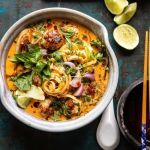 The Best Thai Food Recipes for Meal Delivery Night (Cook in Advance)
 The Best Thai Food Recipes for Meal Planners
 The Best Thai Food Podcasts to Cook Along With
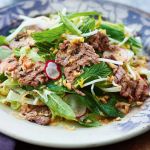 Thai Food Ingredient Swap: What to Do If You’re Out of Kaffir Lime Leaves