
history-of-mango-sticky-rice - the story behind Thailand’s beloved dessert
ingredients-for-authentic-khao-niew-mamuang - choosing the right rice mango and coconut milk
preparing-the-sticky-rice - soaking steaming and perfect texture techniques
making-the-coconut-sauce - creating the creamy sweet topping
assembling-the-dessert - plating mango sticky rice like a Thai chef
tips-for-perfect-results - expert tricks from Thai kitchens
1. The Story Behind Thailand’s Famous Mango Sticky Rice
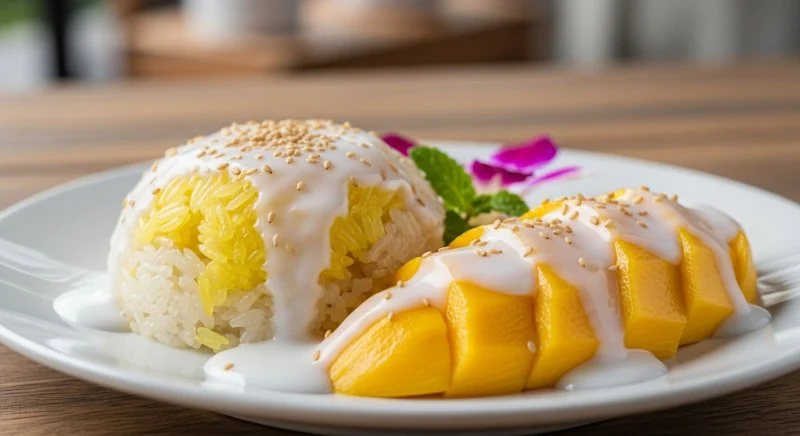
Few desserts represent Thai cuisine as beautifully as mango sticky rice, known in Thailand as Khao Niew Mamuang. This simple yet luxurious dish combines sweet coconut-infused sticky rice with fresh ripe mango, creating a balance of creamy, sweet, and fruity flavors that has captured hearts worldwide.
Many travelers first encounter this dessert at night markets in Bangkok, Chiang Mai, or Phuket. Vendors serve it warm, often wrapped in banana leaves or neatly arranged in small trays. After tasting it once, many people return home wondering How to Make Thai Mango Sticky Rice (Khao Niew Mamuang) Step-by-Step so they can recreate the experience in their own kitchens.

1.1 A Dessert Rooted in Seasonal Tradition
Historically, mango sticky rice became popular during Thailand’s mango season, which typically occurs from March to June. Farmers would harvest sweet, fragrant mango varieties and pair them with glutinous rice and coconut milk—two staples widely used in Thai cooking.
The combination quickly became a beloved dessert enjoyed across generations.
1.1.1 Street food culture
In Thailand, mango sticky rice is commonly sold at street stalls, where vendors steam sticky rice in large bamboo baskets.
1.1.2 Modern popularity
Today, the dessert is served not only at street markets but also in upscale restaurants and international Thai eateries.
Its growing global popularity has inspired many home cooks in the United States to explore authentic Thai dessert recipes.
2. Choosing the Right Ingredients for Authentic Flavor
Before learning the cooking steps, it is important to understand the ingredients that make this dessert unique. Authentic mango sticky rice relies on just a handful of simple components, but the quality of each ingredient matters greatly.
2.1 Sticky Rice: The Foundation of the Dish
Thai sticky rice, sometimes called glutinous rice, is very different from regular long-grain rice. It becomes soft, chewy, and slightly glossy when steamed.
2.1.1 Why glutinous rice matters
Its texture absorbs coconut milk beautifully, giving the dessert its signature richness.
2.1.2 Where to find it
Most Asian grocery stores carry Thai sweet rice, which is ideal for this recipe.
2.2 Mango Selection Makes a Big Difference
The mango should be ripe, sweet, and fragrant. Thai varieties such as Nam Dok Mai are traditionally used because of their smooth texture and honey-like sweetness.
In the United States, similar flavor profiles can often be found in Ataulfo or honey mangoes.
2.3 Coconut Milk for Creamy Sweetness
Coconut milk forms the rich sauce that coats the sticky rice.
2.3.1 Full-fat coconut milk
Using full-fat coconut milk produces a thicker and more flavorful sauce.
2.3.2 Balanced sweetness
The coconut sauce usually includes sugar and a small pinch of salt, creating a sweet-salty balance typical of Thai desserts.
Home cooks looking for authentic ingredients often explore specialty products recommended through platforms like Thai Food, where people can discover suitable ingredients, cooking tools, and authentic culinary inspiration.
3. Preparing Sticky Rice the Traditional Way
The most important step in learning How to Make Thai Mango Sticky Rice (Khao Niew Mamuang) Step-by-Step is mastering the preparation of sticky rice. Unlike typical rice recipes, sticky rice is steamed rather than boiled.
3.1 Soaking the Rice Before Cooking
Sticky rice needs to absorb water before steaming to achieve the proper texture.
3.1.1 Recommended soaking time
Most Thai cooks soak the rice for at least four hours, although overnight soaking produces even better results.
3.1.2 Why soaking is important
This step softens the grains and ensures they cook evenly during steaming.
3.2 Steaming the Rice
After soaking, the rice is placed in a steaming basket or lined steamer.
3.2.1 Traditional bamboo steamers
In Thailand, sticky rice is often steamed in cone-shaped bamboo baskets placed over boiling water.
3.2.2 Home kitchen alternatives
A standard steamer basket lined with cheesecloth can produce similar results.
The rice typically steams for about 20 to 25 minutes until tender and slightly translucent.
3.3 Infusing Coconut Flavor
Once the rice finishes steaming, warm coconut milk mixed with sugar and salt is gently folded into the rice.
The rice is then covered and allowed to rest so it absorbs the creamy coconut mixture.
4. Creating the Sweet Coconut Sauce
The coconut topping is what elevates mango sticky rice from a simple dish to a luxurious dessert.
4.1 Cooking the Sauce
The sauce is made by gently heating coconut milk with sugar and a pinch of salt.
4.1.1 Avoid boiling
Boiling coconut milk can cause separation, so gentle heating is recommended.
4.1.2 Achieving smooth consistency
Some cooks add a small amount of rice flour or cornstarch to thicken the sauce slightly.
4.2 Balancing Sweet and Salty Notes
Thai desserts often combine sweetness with subtle saltiness. This balance prevents the dish from becoming overly sugary and highlights the natural sweetness of the mango.
5. Assembling Mango Sticky Rice Like a Thai Chef
Once the rice and sauce are ready, assembling the dessert is simple but visually important.
5.1 Preparing the Mango
Peel the mango and slice it lengthwise into smooth, thin pieces.
5.1.1 Presentation style
Many Thai chefs fan the mango slices neatly beside the sticky rice for an elegant appearance.
5.2 Plating the Sticky Rice
Scoop a portion of coconut-infused sticky rice onto a serving plate.
5.2.1 Add coconut sauce
Spoon warm coconut sauce over the rice to create a glossy finish.
5.2.2 Optional toppings
Some versions include toasted mung beans or sesame seeds for a light crunch.
The final dessert combines creamy rice, silky coconut sauce, and juicy mango slices.
6. Tips from Thai Kitchens for Perfect Mango Sticky Rice
Even though the recipe contains only a few ingredients, small details can make a big difference in the final result.
6.1 Use Fresh Mango Whenever Possible
Fresh mango provides natural sweetness and vibrant aroma that frozen fruit cannot fully replicate.
6.2 Serve the Dessert Slightly Warm
Sticky rice tastes best when warm because the coconut milk remains creamy and fragrant.
6.3 Practice the Rice Texture
The perfect sticky rice should be soft but not mushy. Achieving this balance may require adjusting steaming time based on the rice variety.
6.4 Learn from Thai Culinary Culture
Many people who visit Thailand remember the moment they first tasted mango sticky rice at a bustling street market. The dessert’s comforting sweetness and simple ingredients reflect the heart of Thai cooking—fresh flavors, balanced taste, and beautiful presentation.
For those eager to explore more authentic Thai recipes, ingredients, and culinary inspiration, resources available through Thai Food can help home cooks discover the products and tools often used in traditional Thai kitchens.
With the right ingredients, patience, and a little practice, recreating this beloved dessert at home can bring a small taste of Thailand to your table.

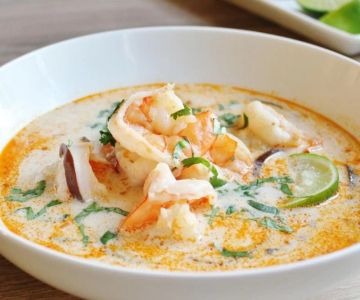
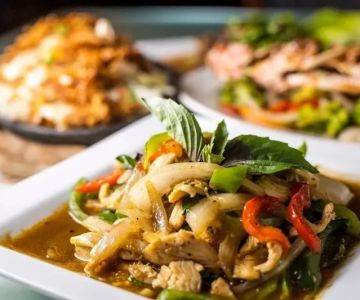
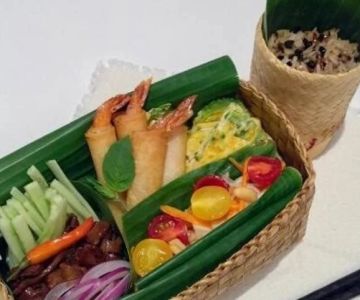
 Corner Thai Cafe4.0 (210 reviews)
 BK Belly4.0 (297 reviews)
 Trio BYOB & Trio2Go4.0 (153 reviews)
 Thai Cuisine4.0 (456 reviews)
 Pranakhon4.0 (2620 reviews)
 Ruk Mae Healthy Thai Cuisine4.0 (249 reviews)
 Thai Food Ingredient Guide: Lemongrass — How to Store & Use Fresh vs Dried
 The Best Thai Food Podcasts & YouTube Channels to Learn From
 The Best Thai Food Recipes for Weeknight Meal Swaps | Thai Food
 How to Make Thai Food That’s Kid-Approved (Picky Eaters Welcome)
 The Best Thai Food Recipes for Leftover Rice Revival
 How to Make Thai Food That’s Low-Fat Without Losing the Taste