Pad Thai Guide: Noodles, Sauce, Protein, and Allergens
On this page
Quick answer
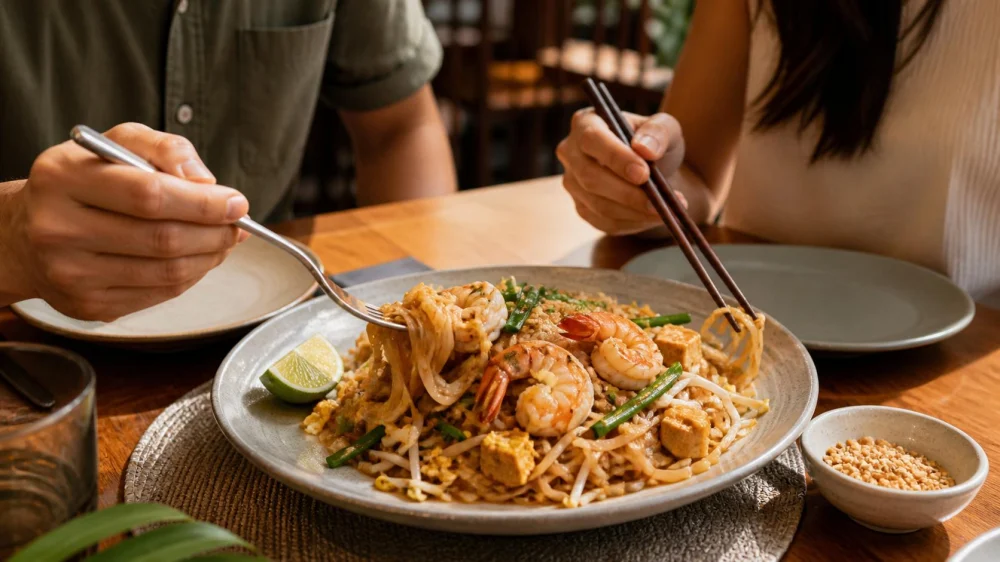
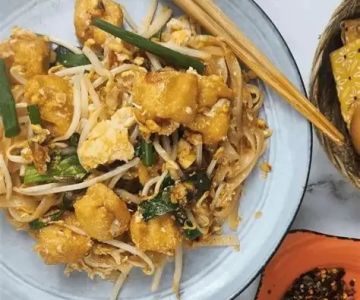
Pad Thai typically combines stir-fried rice noodles with a sweet, sour, and salty sauce, plus egg, a chosen protein, sprouts or chives, and garnishes such as peanuts, lime, and chile. Recipes vary, and removing a visible garnish may not remove an allergen already used in sauce or shared preparation. Ask about ingredients, modifications, portion, heat, and cross-contact before choosing the dish.
Why one familiar noodle name can produce very different plates
Noodle width and soaking, wok heat, sauce ratio, protein, egg, vegetables, and finishing garnishes influence texture and balance. Some versions are tangier, sweeter, drier, saucier, or softer than others. Chile may arrive in the wok or at the table, and peanuts may be mixed in or served on the side. The current kitchen's recipe matters more than assumptions.
This guide is for United States diners considering Pad Thai at a restaurant. It supports menu questions and sharing decisions, not a fixed recipe, authenticity score, allergy guarantee, nutrition calculation, or medical advice. Ingredients, portions, substitutions, equipment, and heat scales vary by kitchen.
Practical checklist
- Rice noodle width and texture, sauce ingredients, tamarind or other souring component, sugar, fish sauce, soy sauce, stock, oil, and seasoning.
- Chicken, shrimp, pork, beef, tofu, vegetables, or another protein; portion, shell or tail pieces, marinade, breading, and cooking method.
- Egg, bean sprouts, chives, preserved vegetables, garlic, shallot, dried shrimp, lime, peanuts, herbs, and chile in the wok or on the side.
- Peanut, tree nut, fish, shellfish, egg, soy, wheat or gluten, sesame, and cross-contact through sauce, wok, utensils, oil, garnish, and prep surfaces.
- Restaurant heat scale, chile already cooked into the dish, table condiments, sweetness and acidity preferences, and realistic modification limits.
- Lunch or dinner portion, protein surcharge, extra vegetables, shared plate plan, other noodles or curries, and takeout container arrangement.
- Listed price, add-ons, service fees, leftovers, refrigeration timing, and reheating instructions that protect noodle texture and food safety.
Step-by-step plan
- Ask the restaurant to describe its Pad Thai sauce, garnishes, vegetables, and standard heat instead of assuming a universal recipe.
- Choose the protein and confirm how tofu or seafood is prepared, including shared oil, wok, utensils, marinades, and fixed sauce ingredients.
- Disclose allergies and dietary restrictions before ordering, then ask what can be verified and whether removing garnish is meaningful for the full preparation.
- Select heat using the restaurant's scale and request chile on the side only when the kitchen confirms the base sauce or wok step can remain unchanged.
- Confirm portion and price, especially for lunch versus dinner, protein changes, extra vegetables, sharing, and the number of other dishes ordered.
- Taste the noodles with their existing lime, peanut, and chile arrangement before adding condiments, then adjust gradually to preserve balance.
- For takeout, follow the restaurant's packaging and reheating advice, refrigerate leftovers promptly, and expect noodles to soften as they sit.
For a group order, note the sauce and fixed ingredients, protein, egg and garnish, heat level, allergy discussion, cross-contact limits, portion, price, adjustments, table condiments, takeout time, and whether the noodle texture and balance fit the group. Reconfirm at a different restaurant.
Limits and important notes
Pad Thai is not automatically peanut-free, gluten-free, vegetarian, vegan, shellfish-free, or mild. Removing visible peanuts does not remove peanut cross-contact, and rice noodles do not prove every sauce or preparation is gluten-free. A menu heat number cannot guarantee the sensation for every diner.
For a diagnosed food allergy, explain the allergen clearly and order only if the restaurant can support the needed precautions; otherwise choose another dish. Stop eating and follow the person's emergency plan for possible allergic symptoms, and seek emergency help for breathing difficulty, throat swelling, faintness, or another severe reaction.
Frequently asked questions
Is Pad Thai always made with peanuts?
Peanuts are common, but preparation varies. Ask whether they are in the wok, sauce, garnish, or shared station and whether cross-contact can be managed.
Are the noodles gluten-free?
Rice noodles may be, but sauces, marinades, garnishes, and shared equipment can contain or contact wheat. Ask the current kitchen.
Can Pad Thai be made without egg?
Some kitchens can omit egg, while others use prepared components or shared equipment. Ask before ordering and discuss cross-contact if needed.
Is Pad Thai supposed to be spicy?
Heat varies. Some plates are mild with chile served separately, while others cook chile into the dish. Confirm the restaurant's method.
Why did takeout noodles become softer?
Residual heat and sauce continue affecting noodles in the container. Ask about packaging and reheating, and eat promptly when possible.
Sources and evidence
Use the restaurant's current menu and staff for exact sauce, protein, garnishes, allergens, heat scale, portion, price, and shared-equipment practices. For allergy decisions, follow the diner's clinician-provided plan and current verified kitchen information; a general noodle description cannot certify a plate.
Conclusion and next steps
Ask about the sauce, protein, egg, vegetables, peanuts, lime, chile, fixed ingredients, cross-contact, portion, and price. Choose modifications the kitchen can actually support, taste before adding condiments, and handle takeout and leftovers promptly according to current restaurant and food-safety guidance.
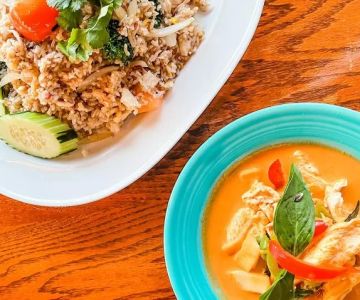

 Thai Aroy Dee4.0 (165 reviews)
 Thai Noodle House2.0 (34 reviews)
 Boom Thai Restaurant4.0 (347 reviews)
 Senn Thai Comfort Food4.0 (565 reviews)
 Wyckoff Thai Cuisine4.0 (597 reviews)
 Viman Thai Cuisine4.0 (408 reviews)
 Thai Dessert Ordering Guide: Texture and Sweetness
 The Best Thai Food for Meal Prep: Curries, Stir Fries, and Salads That Keep Well
 Thai Seafood Salad Yum Talay: Ask About Seafood, Heat, and Herbs
 How to Host a Thai Food Tasting Party at Home
 How to Make Thai Food That’s Great With Leftovers & Fridge Staples
 How to Make Thai Food That’s Low-Fat Without Losing the Taste