- 1. Why Thai Food is Perfect for Food Blogging
- 2. How to Create Engaging Content Around Thai Recipes
- 3. The Power of Storytelling in Thai Food Blogging
- 4. Real-Life Story: A Blogger’s Journey with Thai Recipes
- 5. Explore More Thai Recipes with Thai Food
1. Why Thai Food is Perfect for Food Blogging
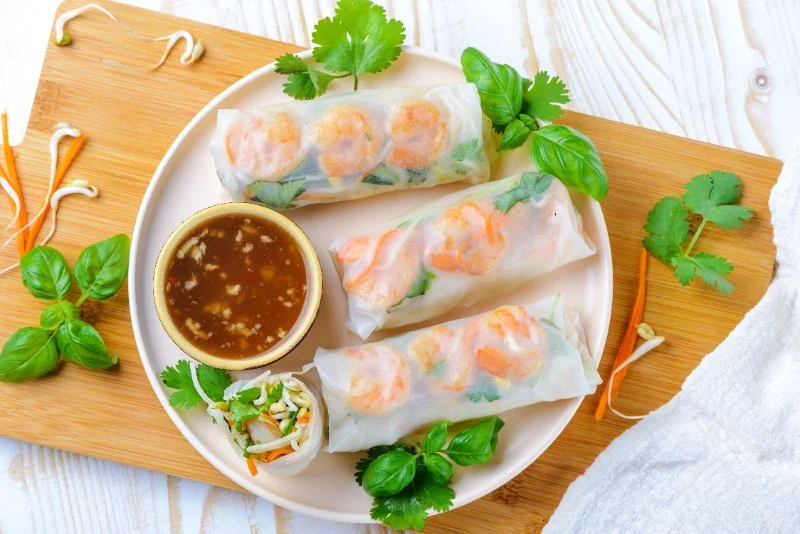
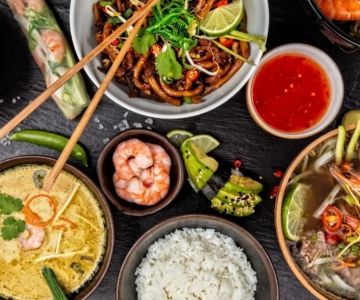
Thai food is a rich, flavorful, and visually stunning cuisine that offers endless possibilities for food bloggers. From vibrant curries to delicate spring rolls and refreshing salads, Thai dishes are as diverse as they are delicious. This makes Thai food an ideal subject for food bloggers looking to create exciting content that engages their audience.
What makes Thai food stand out is its balance of flavors—spicy, sour, sweet, and salty—combined with fresh herbs and exotic ingredients. As a food blogger, you can explore and share the unique characteristics of Thai cuisine, giving your readers a window into the culture, history, and flavors of Thailand. With so many recipes to choose from and the growing interest in international cuisines, Thai food is an excellent niche to focus on for food blogging.
2. How to Create Engaging Content Around Thai Recipes
Creating compelling content around Thai recipes requires more than just posting a list of ingredients and instructions. To stand out as a food blogger, you need to make your posts both informative and engaging. Here are some tips to help you craft content that your readers will love:
1. Focus on Authenticity
Authenticity is key when it comes to Thai food. While you can certainly adapt recipes to suit modern tastes, it’s important to stay true to the traditional flavors and techniques that make Thai cuisine special. Research authentic Thai ingredients and cooking methods, and make sure to explain them clearly to your readers. By offering genuine Thai recipes, you’ll build credibility as a trusted source for authentic dishes.
2. Use High-Quality Photos and Videos
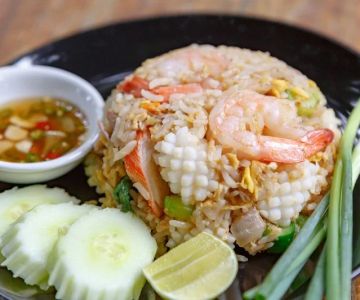
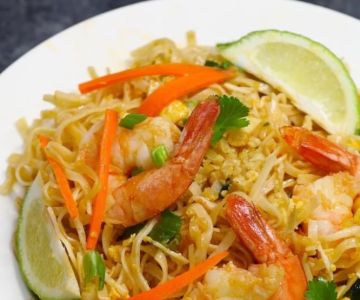
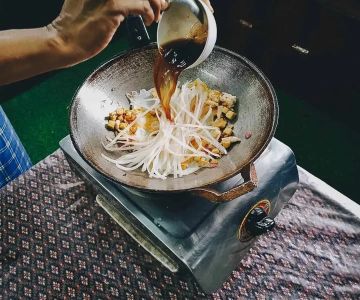
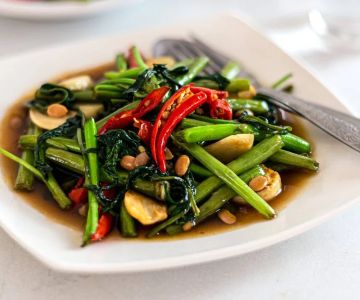
Thai food is visually stunning, and food bloggers can take full advantage of this by sharing high-quality photos and videos of the dishes they make. Pay attention to presentation, lighting, and composition to showcase the beauty of the food. Use close-up shots to highlight textures and colors, and don’t forget to include step-by-step cooking videos to engage your audience even further.
3. Incorporate Thai Ingredients and Their Origins
Incorporating the story behind specific Thai ingredients can make your content more interesting and educational. For example, you can write about the importance of lemongrass, kaffir lime leaves, or Thai basil in traditional dishes. Share how these ingredients are used to create the distinctive flavors of Thai food and why they’re essential to the cuisine. This gives your readers a deeper appreciation for Thai cooking.
4. Offer Tips and Variations
Food bloggers often attract readers who are eager to learn. Share tips for cooking Thai food at home, such as how to balance the flavors in a curry or how to properly fold spring rolls. You can also offer variations for different dietary needs (e.g., vegetarian, gluten-free) to appeal to a broader audience. This not only makes your content more inclusive but also establishes you as an expert in Thai cuisine.
3. The Power of Storytelling in Thai Food Blogging
One of the most powerful ways to connect with your audience is through storytelling. When writing about Thai recipes, share the history behind the dish, the cultural significance, or personal anecdotes related to the food. For example, you can write about your first experience with a particular Thai dish or how a Thai recipe has been passed down through generations in your family.
Storytelling helps to humanize your content and makes it more relatable to readers. It also adds depth to the recipes you share, making them more than just instructions on how to cook. This will keep your audience coming back for more and help you build a loyal following.
4. Real-Life Story: A Blogger’s Journey with Thai Recipes
Emily, a food blogger from New York, discovered her love for Thai food during a trip to Bangkok. After returning home, she decided to start a blog focused on Thai recipes. At first, Emily struggled with writing about the authenticity of the dishes and how to properly capture the vibrant flavors of Thai cuisine. However, by focusing on high-quality ingredients and researching the stories behind each recipe, she was able to connect with her audience and build a dedicated following. Her blog became popular not only because of her delicious recipes but also because of the personal stories and cultural insights she shared in her posts.
5. Explore More Thai Recipes with Thai Food
If you're looking to discover even more amazing Thai recipes, visit Thai Food for a wide selection of authentic dishes, ingredients, and cooking tips. Our platform provides all the resources you need to create the perfect Thai meal at home, from traditional recipes to modern twists. Whether you’re new to Thai cuisine or a seasoned foodie, we’ve got something for everyone.

 Grace Thai4.0 (167 reviews)
 Dagg Thai Restaurant4.0 (1853 reviews)
 Five Stars Thai Restaurant4.0 (647 reviews)
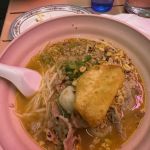 Noods n’ Chill4.0 (342 reviews)
 Sadudee Thai Food4.0 (558 reviews)
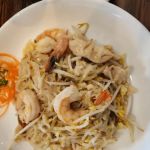 Sushi Thai at The Park4.0 (587 reviews)
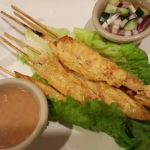 Thai Food in the Midwest: Hidden Gems Worth the Road Trip
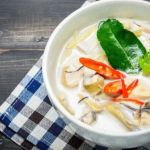 Thai Food Ingredient Swap: Coconut Milk Alternatives & Tips
 Thai Food Ingredient Spotlight: Thai Coffee & Tea — Beyond the Meal
 How to Store and Preserve Thai Spices and Herbs at Home
 How to Make Thai Food That’s Simple Enough for 2 & Delicious Enough for a Crowd
 Best Thai Food Restaurants in Richmond for Authentic Thai Cuisine