Thai Food Ingredient Guide: What to Ask Your Thai Restaurant When You Have Dietary Restrictions
- 1. Introduction: Understanding Dietary Restrictions and Thai Food
- 2. Common Thai Ingredients to Watch Out For
- 3. Key Questions to Ask at Thai Restaurants
- 4. Safe Thai Food Substitutes for Dietary Restrictions
- 5. Popular Thai Dishes for Various Dietary Needs
1. Introduction: Understanding Dietary Restrictions and Thai Food
When dining out at a Thai restaurant, it can be tricky to navigate the menu if you have dietary restrictions. Whether you have food allergies, are gluten-free, or follow a plant-based diet, Thai cuisine presents both challenges and opportunities. This guide will help you understand which ingredients to watch out for and what questions to ask your Thai restaurant to ensure your meal meets your dietary needs.

La Miette La Mai Thai Bistro
NorthboroughWorcester CountyMassachusetts
278 Main St, Northborough, MA 01532, USA
2. Common Thai Ingredients to Watch Out For
Thai food is rich in aromatic flavors and often incorporates a variety of ingredients that can be problematic for individuals with dietary restrictions. Here are some common Thai ingredients you may need to be aware of:
- Fish Sauce: This essential Thai ingredient is made from fermented fish and adds a salty, umami flavor to many dishes. It’s not suitable for vegetarians, vegans, or individuals with fish allergies.
- Oyster Sauce: Like fish sauce, oyster sauce is often used in stir-fries and other dishes. It’s not suitable for vegetarians or those avoiding shellfish.
- Peanuts: A common ingredient in Thai salads, sauces, and dishes like Pad Thai, peanuts can trigger allergies in some individuals. Be sure to ask if dishes contain peanuts or can be made without them.
- Coconut Milk: A key component in many Thai soups and curries, coconut milk is dairy-free and vegan-friendly, but it’s important to check for cross-contamination with dairy in some kitchens.
- Gluten: While many Thai dishes are naturally gluten-free, some dishes, especially those with soy sauce or wheat-based noodles, may contain gluten. Always double-check for hidden gluten sources.
3. Key Questions to Ask at Thai Restaurants
When you have dietary restrictions, communication with your server is crucial. Here are the key questions to ask your Thai restaurant to ensure your meal is safe:
- Does the dish contain fish sauce, oyster sauce, or other seafood ingredients? Ask specifically about common sauces and dressings that may contain seafood.
- Can this dish be made without peanuts? Many Thai dishes contain peanuts, so it’s essential to ask if they can be omitted if you have a peanut allergy.
- Are any dishes gluten-free? Thai cuisine offers many naturally gluten-free dishes, but some may contain gluten due to soy sauce or other hidden ingredients. Clarify before ordering.
- Is there a separate vegetarian or vegan menu? If you're plant-based, it's helpful to ask about the restaurant's vegetarian and vegan options to ensure they meet your dietary needs.
- Can you prepare a dish without added sugar or salt? Some Thai dishes can be quite sweet or salty. If you’re on a low-sodium or sugar-free diet, don’t hesitate to ask for modifications.
4. Safe Thai Food Substitutes for Dietary Restrictions
If you have dietary restrictions, it’s good to know what ingredients can be swapped out for safer alternatives. Here are a few common substitutions:
- Substitute Fish Sauce: Use soy sauce or tamari (for gluten-free) if you're avoiding fish sauce. There are also vegan fish sauce alternatives available.
- Substitute Oyster Sauce: Use a mushroom-based oyster sauce or vegetarian oyster sauce if you prefer a plant-based alternative.
- Substitute Peanuts: Ask for cashews, sunflower seeds, or sesame seeds as a peanut-free alternative.
- Substitute Coconut Milk: For those allergic to coconut, ask if other dairy-free milks like almond or oat milk can be used in curries and soups.
- Substitute Gluten Ingredients: Opt for gluten-free noodles like rice noodles or ask if dishes can be made with gluten-free soy sauce (tamari).
5. Popular Thai Dishes for Various Dietary Needs
Here are some popular Thai dishes that are often safe for various dietary restrictions, but be sure to confirm with your server about specific ingredients:
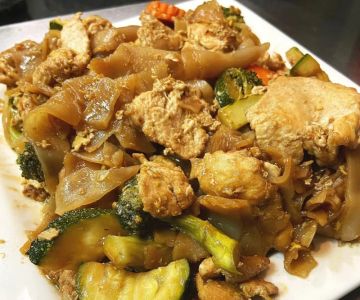
- Pad Thai (Gluten-Free Option): A popular stir-fried noodle dish that can be made gluten-free by substituting gluten-free soy sauce and omitting fish sauce.
- Green Curry with Tofu: A delicious and fragrant curry that can be made vegan and gluten-free, using coconut milk and tofu as the protein.
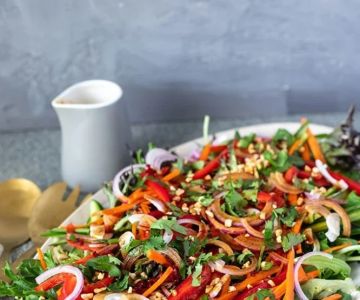
- Som Tum (Papaya Salad): This refreshing salad is naturally gluten-free and can be made without peanuts or sugar if needed.
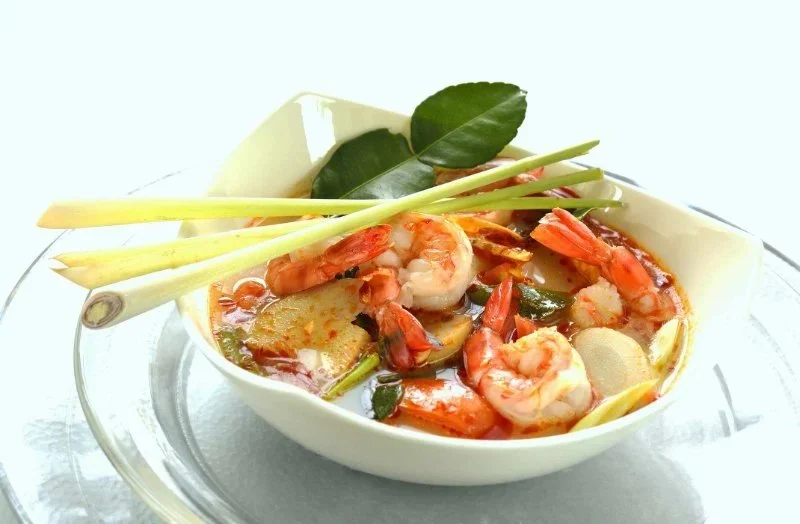
- Tom Yum Soup: A spicy and tangy soup made with shrimp or mushrooms that is naturally gluten-free and dairy-free.
 Thai Chilli4.0 (219 reviews)
 Vong's Thai Cuisine4.0 (514 reviews)
 Touch Thai Restaurant3.0 (212 reviews)
 Rice Factory Thai Restaurant4.0 (611 reviews)
 Taste of Thai4.0 (188 reviews)
 The Elephant Trail4.0 (474 reviews)
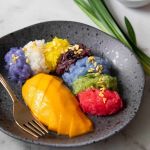 Thai Food Ingredient Guide: Sticky Rice — What It Is & How to Serve It
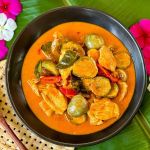 Thai Food Ingredient Guide: Thai Eggplant — How to Cook & Enjoy It
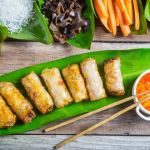 Thai Food in Popular Culture: From Movies to Instagram Trends
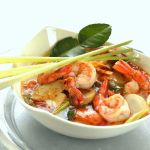 Thai Food Ingredient Guide: Lemongrass — How to Store & Use Fresh vs Dried
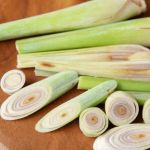 Thai Food Ingredient Guide: Lemongrass – Uses, Pairings & Storage
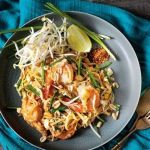 How to Make Thai Food That’s Great for Meal Prepping