
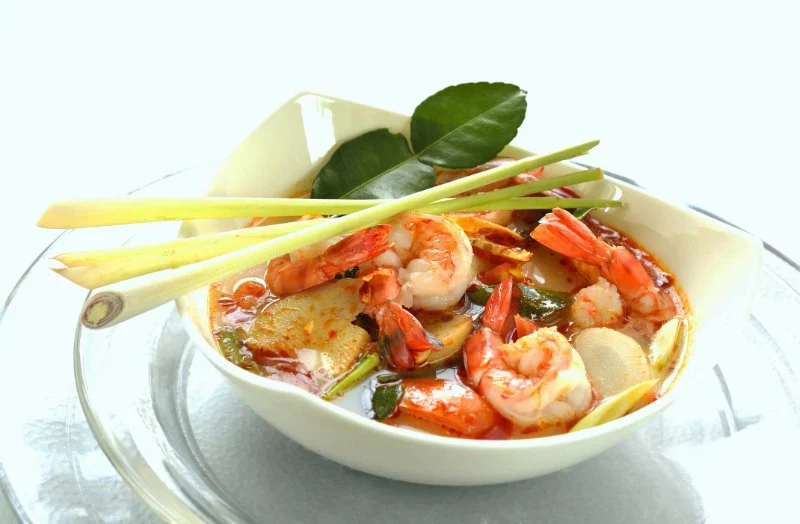
- 1. Introduction to Lemongrass in Thai Cuisine
- 2. Fresh vs Dried Lemongrass: Which One to Use?
- 3. How to Store Lemongrass Properly
- 4. How to Use Lemongrass in Thai Cooking
- 5. Real-Life Story of Using Lemongrass in Thai Dishes
1. Introduction to Lemongrass in Thai Cuisine
Lemongrass is an essential herb in Thai cooking, prized for its citrusy, refreshing flavor that adds depth to dishes. It’s commonly used in soups, curries, and teas, infusing food with a fragrant, zesty aroma. Lemongrass is also a key ingredient in many Thai marinades, sauces, and stir-fries, making it a must-have in any Thai kitchen.
This aromatic herb is not only known for its bold taste but also for its medicinal properties, such as aiding digestion and reducing stress. Whether you’re cooking a spicy Tom Yum soup or a classic green curry, understanding how to properly use and store lemongrass is crucial to maximizing its flavor and ensuring the best culinary results.
2. Fresh vs Dried Lemongrass: Which One to Use?
When it comes to using lemongrass, one of the first decisions you’ll need to make is whether to use fresh or dried lemongrass. Both forms have their place in Thai cuisine, but they differ in flavor, texture, and how they’re used in cooking.

Pikpon Thai
Winslow TownshipCamden CountyNew Jersey
412 Sicklerville Rd #102, Sicklerville, NJ 08081, USA
1. Fresh Lemongrass
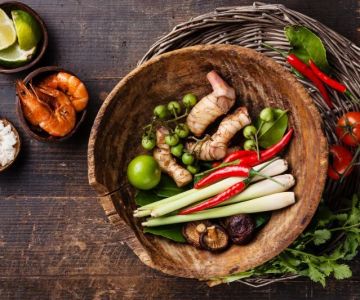
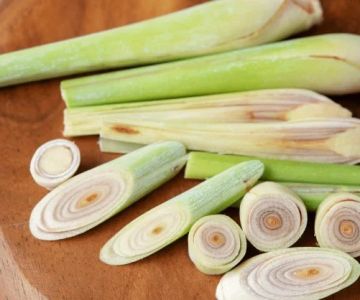
Fresh lemongrass has a stronger, more vibrant flavor compared to dried lemongrass. Its fragrance is more pronounced, and its natural oils are released easily when chopped or bruised. This makes fresh lemongrass ideal for dishes that require a bold flavor infusion, such as soups (like Tom Yum), curries, and marinades.
Fresh lemongrass can be used in two ways: whole stalks or chopped. For whole stalks, simply bruise or smash them to release the oils, and then discard them after cooking. For chopped lemongrass, it can be added directly to dishes for a more intense flavor, though it is typically strained out before serving.
2. Dried Lemongrass
Dried lemongrass, on the other hand, is more subtle in flavor and is often used when fresh lemongrass is unavailable. Dried lemongrass doesn’t have the same fragrant oils that fresh lemongrass does, so it needs to be rehydrated before use. This process involves soaking the dried lemongrass in hot water for about 10-15 minutes to bring it back to life. It’s best suited for slow-cooked dishes or for adding flavor to broths and teas where its subtle taste can be infused gradually.
Dried lemongrass is often preferred for its long shelf life, making it an easy option to keep in your pantry for extended periods. It also provides convenience if you don’t have access to fresh herbs, but it’s important to note that the flavor won’t be as fresh or bold.
3. How to Store Lemongrass Properly
Proper storage of lemongrass is essential to maintaining its flavor and freshness, whether you have fresh or dried lemongrass on hand. Here’s how to store each type:
1. Storing Fresh Lemongrass
Fresh lemongrass should be stored in the refrigerator to preserve its flavor and texture. Wrap the stalks in a damp paper towel, place them in a plastic bag, and store them in the vegetable crisper drawer. If you want to keep it fresh for a longer period, you can also freeze fresh lemongrass by cutting it into smaller pieces and storing it in an airtight container or freezer bag. This will allow you to use it whenever needed without compromising its flavor.
2. Storing Dried Lemongrass
Dried lemongrass should be stored in an airtight container in a cool, dry place, away from direct sunlight. The container should be kept sealed to protect the dried herbs from moisture, which can cause them to lose their flavor and aroma. When stored properly, dried lemongrass can last for up to 6 months, maintaining its flavor until it is used in your cooking.
4. How to Use Lemongrass in Thai Cooking
Lemongrass can be used in a variety of ways to add flavor to Thai dishes. Here are some tips on how to incorporate it into your cooking:
1. Infusing Broths and Soups
Lemongrass is commonly used to infuse broths, soups, and curries with its fresh, citrusy aroma. For soups like Tom Yum, use whole stalks of lemongrass, bruised with the back of a knife to release the oils. Simmer it in the broth and remove it before serving, as it can be tough to eat.
2. Flavoring Sauces and Marinades
Chopped or finely minced lemongrass can be used in sauces and marinades. It adds a refreshing flavor to dishes like Thai grilled chicken or seafood. To extract the most flavor, allow it to marinate with the other ingredients for at least 30 minutes before cooking.
3. Steeping for Tea
Lemongrass is also popular in Thai tea. To make a refreshing lemongrass tea, simply steep a few stalks of fresh lemongrass in hot water for 10-15 minutes. You can add honey or lime for extra flavor. Dried lemongrass works well for this as well, but it may require a longer steeping time.
5. Real-Life Story of Using Lemongrass in Thai Dishes
Consider the experience of Linda, a home cook who recently tried making a traditional Thai green curry. She was unfamiliar with lemongrass and unsure whether to use fresh or dried lemongrass for the dish. After experimenting with both types, she found that the fresh lemongrass gave her curry a bolder, more vibrant flavor. The citrus notes from the fresh stalks balanced perfectly with the richness of the coconut milk, creating a well-rounded dish that her family loved.
Linda’s experience shows how the choice of fresh or dried lemongrass can make a big difference in the final taste of your dish. While dried lemongrass can be useful in a pinch, fresh lemongrass is the go-to option for achieving the best flavor in many Thai recipes.
Now that you understand how to store and use lemongrass, as well as how it can elevate your Thai dishes, it’s time to experiment in your kitchen! For the best selection of fresh and dried lemongrass and other Thai ingredients, visit Thai Food for all your culinary needs.
 Kuay Tiew 9 Noodles & More4.0 (81 reviews)
 Little Tiffin4.0 (395 reviews)
 Mango4.0 (88 reviews)
 Tuk Tuk Thai Kitchen4.0 (309 reviews)
 Brookside Thai Restaurant4.0 (327 reviews)
 Khaosan4.0 (938 reviews)
 The Best Thai Food Recipes for Hosting Friends & Family
 How to Make Thai Food That’s Adaptable for International Guests
 The Best Thai Food Restaurants in Los Angeles According to Locals
 How to Make Thai Peanut Sauce from Scratch (and Use It Everywhere)
 Thai Food for Your Next Holiday Road Trip: Easy, Packable Thai Meals
 The Best Thai Food Recipes for Comfort & Nostalgia