
Thai Satay: Choose Skewers, Marinade, and Dipping Sauce
On this page
Quick answer
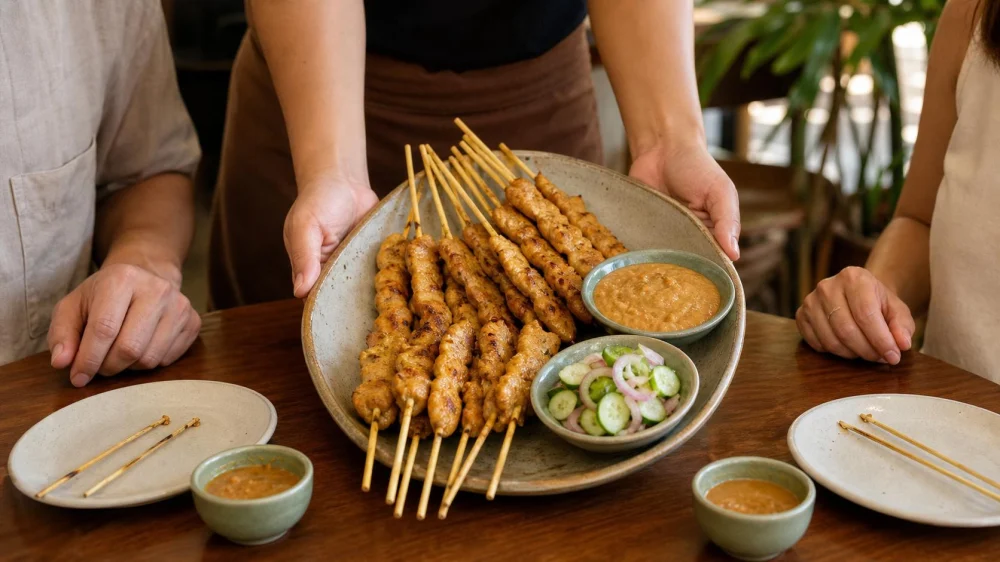
Thai satay is marinated meat or another protein grilled on skewers and commonly served with a rich dipping sauce and cucumber relish. Ask which protein, how many skewers, whether the marinade contains coconut milk or soy, and whether the sauce contains peanuts. Use individual sauce cups, remove meat from pointed skewers for children, and keep takeout sauce separate.

La Miette La Mai Thai Bistro
NorthboroughWorcester CountyMassachusetts
278 Main St, Northborough, MA 01532, USA
Choose the skewer
Chicken and pork are common, while beef, shrimp, tofu, or plant-based versions may appear. Thin pieces cook quickly and maximize seasoned surface; thicker pieces can stay juicier but require careful cooking. Ask whether one order includes a single protein or a mixed plate and whether rice, bread, or salad is included.
Texture depends on cut and slicing direction as much as protein. A skewer should be cooked through as appropriate without being dry or charred to bitterness. Shrimp may retain tails, and meat can have small tough or fatty sections. Inspect servings for young children or diners with chewing difficulty.
Understand marinade and grilling
Thai-style satay marinades can include coconut milk, turmeric, coriander, cumin, garlic, sugar, fish sauce, soy sauce, and other seasonings. The exact blend is a house decision. Golden colour may come from turmeric and does not reliably indicate chile heat.
Ask whether the marinade itself is spicy. Grill marks add aroma, but blackened edges are not required. If you prefer less char, request it before cooking and understand that the kitchen may not be able to change a batch-prepared item. Let hot skewers rest briefly before handling the stick.
Use sauces and relish
The rich dipping sauce is often described as peanut sauce, but recipe, thickness, sweetness, chile, and nut content vary. It may contain coconut milk, curry paste, tamarind, fish sauce, soy, or sesame. Cucumber relish commonly adds vinegar, sugar, onion or shallot, chile, and a crisp counterpoint.
Dip one end into your own cup or spoon sauce onto your plate. Do not return a bitten skewer to a communal bowl. Add relish between bites rather than soaking every skewer, which preserves grilled texture. Ask for extra sauce only after tasting; it can be rich and salty.
Plan portions and sharing
Confirm the number and size of skewers. Four small skewers may be an appetizer for two, while larger pieces can be substantial. Build a shared meal with vegetables, soup, rice, noodles, or salad rather than ordering by skewer count alone. Account for diners who cannot eat the sauce.
Place the platter with pointed ends facing inward and use a separate plate for discarded sticks. For children, slide meat onto a plate before serving and remove sharp or splintered skewers. Do not let pets chew wooden sticks because splinters and swallowed pieces can cause serious injury.
Check allergens
Tell staff the exact allergy. Ask separately about the protein marinade, grill, basting brush, dipping sauce, cucumber relish, garnish, and packaged curry paste. Peanuts are a central concern, but tree nuts, coconut, soy, wheat, fish, shellfish, sesame, and dairy may also be relevant depending on the recipe.
Ordering skewers without peanut sauce does not prove they are peanut-free. Shared preparation, marinade utensils, and sauce splashes can create cross-contact. A tofu or vegetable skewer is not automatically vegan because fish sauce, dairy, egg, or shared grilling may be involved. Use the restaurant’s current ingredient information.
Handle takeout
Request skewers, peanut sauce, and cucumber relish in separate containers. Keep pointed sticks inside a rigid box so they cannot pierce the bag. Carry sauces upright and cold relish appropriately separated from hot food. Count the skewers and identify allergen-sensitive orders before leaving.
Travel directly to the destination and refrigerate leftovers promptly under current food-safety guidance. Reheat protein according to restaurant instructions and avoid burning exposed stick ends. Add sauce and relish afterward. Discard food with uncertain time or temperature history and damaged or splintered skewers.
Frequently asked questions
Is satay always served with peanut sauce?
It is common, but sauces vary by region and restaurant. Ask what accompanies the order and whether it is included in the price.
Is yellow satay spicy?
Not necessarily. Turmeric can create a yellow colour without strong chile heat. Ask about the marinade and sauce separately.
Can satay be made vegetarian?
Some restaurants offer tofu or vegetables, but marinade, sauce, grill, and cross-contact still need confirmation for vegetarian, vegan, or allergy needs.
Evidence and limitations
This guide reflects common Thai restaurant satay service and general skewer, allergen, and takeout practices. Protein, marinade, sauce, relish, portion, grill use, and ingredients vary. The restaurant’s current recipe and cross-contact controls are the controlling sources for a specific order.
Conclusion and next steps
Choose the protein, confirm the skewer count, and ask about marinade and sauce ingredients separately. Share with individual dipping cups and manage pointed sticks carefully. For takeout, separate grilled food, rich sauce, and cool relish so flavour, texture, and safety are easier to control.


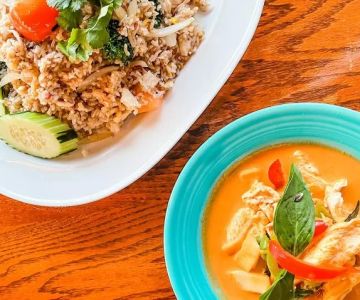

 Kawa Thai And Sushi4.0 (397 reviews)
 Thai Delight (formerly Lil Thai Pin)3.0 (236 reviews)
 Nur Thai4.0 (1299 reviews)
 Thai House of Holden4.0 (143 reviews)
 NaNa Thai Street4.0 (867 reviews)
 Thai Jasmine4.0 (281 reviews)
 Thai Food for Summer: Light, Fresh & Flavor-Packed Recipes
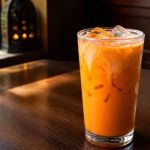 Thai Iced Tea: Sweetness, Milk, Caffeine, and Ice
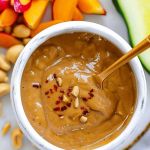 How to Make Thai Peanut Sauce from Scratch (and Use It Everywhere)
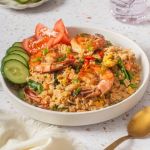 Thai Food Pairing Guide: Rice Varieties That Elevate Your Dish
 The Best Thai Food Recipes for Hosting a Dinner Party
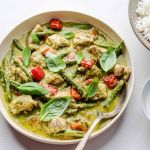 How to Make Thai Food That’s Perfect for Leftovers & Lunch Next Day