- allergy-safe-thai-cooking-basics - understanding risks in traditional Thai cuisine
- nut-free-thai-alternatives - replacing peanuts and tree nuts safely
- soy-free-thai-substitutions - finding safe sauces and condiments
- real-life-allergy-cooking-story - a family case study with severe food allergies
- safe-thai-shopping-guide - how to choose ingredients for allergy-safe meals
Understanding How to Make Thai Food That’s Safe for Major Allergies
Thai cuisine is known for its bold flavors—sweet, spicy, sour, and salty all balancing in one bite. But for people managing food allergies, especially nut and soy allergies, traditional Thai cooking can feel risky. Many classic dishes rely heavily on peanuts, peanut oil, soy sauce, and fermented pastes. Learning how to adapt these dishes is not about removing flavor—it’s about rethinking ingredients in a safer, more intentional way.
When exploring nut-free Thai food and soy-free Thai recipes, the goal is to preserve authenticity while eliminating high-risk allergens. This requires understanding where these ingredients appear and how they can be replaced without losing the essence of Thai cuisine.
Why Thai Food Commonly Triggers Allergy Concerns
The Role of Nuts in Traditional Recipes
Peanuts are deeply embedded in Thai cooking culture. From Pad Thai toppings to curry bases, they add texture and richness. However, for individuals with severe nut allergies, even trace amounts can be dangerous. Cross-contamination in kitchens is also a major concern.

Soy as a Hidden Ingredient
Soy sauce, soybean oil, and fermented soybean pastes appear in countless Thai dishes. These ingredients enhance umami flavor, but they also pose challenges for those with soy intolerance or allergies.
In many restaurant settings, soy is so common that it becomes “invisible,” making allergy-safe dining especially complicated.
Building Allergy-Safe Thai Cooking Foundations
Choosing Safe Base Ingredients
The foundation of allergy-safe Thai cooking begins with selecting ingredients that naturally avoid allergens. Fresh herbs like basil, cilantro, lemongrass, and kaffir lime leaves remain safe and essential for authentic flavor.
Rice, rice noodles, coconut milk, and fresh vegetables also form a strong base for safe cooking, offering flexibility without introducing major allergens.
Avoiding Cross-Contamination at Home
Even if ingredients are safe, kitchen habits matter. Separate utensils, clean cooking surfaces thoroughly, and avoid shared frying oil if nuts or soy products are used elsewhere in the home.
Creating Nut-Free Thai Food Without Losing Flavor
Replacing Peanuts in Classic Dishes
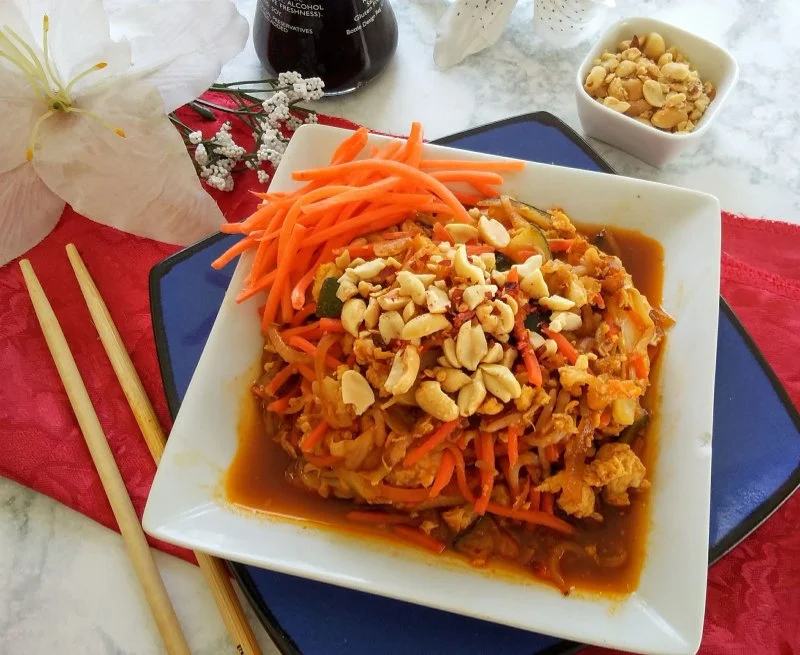
One of the biggest challenges in nut-free Thai food is replacing peanuts in dishes like Pad Thai or green mango salad. Instead of peanuts, many home cooks use toasted sunflower seeds or pumpkin seeds. These alternatives provide crunch without triggering nut allergies.
Reimagining Texture and Garnish
Thai cuisine relies heavily on texture contrast. Without nuts, you can use crispy fried shallots or roasted chickpeas to maintain that satisfying crunch.
A home cook from California shared how she recreated her family’s favorite Pad Thai for her nut-allergic son by using crushed roasted pumpkin seeds. The result surprised her family—no one missed the peanuts because the seasoning and balance remained intact.
Making Soy-Free Thai Recipes Work in Everyday Cooking
Understanding Soy Sauce Alternatives
Soy sauce is a cornerstone of Thai stir-fries and marinades. For soy-free cooking, coconut aminos or salt-based seasoning blends can replace soy sauce effectively. They provide a similar salty depth without soy proteins.
Rethinking Fermented Sauces
Many Thai dishes use fermented soybean paste for depth. In soy-free Thai recipes, fish sauce (if tolerated) or mushroom-based umami sauces can replicate complexity.
Some modern Thai kitchens even develop custom blends using seaweed and roasted garlic to mimic fermented richness.
Real-Life Case: A Family Adapting Thai Cuisine for Severe Allergies
A family in London shared their experience after their child was diagnosed with both peanut and soy allergies. Thai food had always been a favorite, but eating out became stressful. Instead of giving up the cuisine, they began learning ingredient substitutions at home.
They discovered that cooking from scratch allowed full control over ingredients. Over time, they rebuilt their favorite meals—Tom Yum soup, green curry, and Pad Thai—using safe alternatives. Eventually, they even introduced friends to their allergy-safe versions, which were well received.
This story highlights an important truth: Thai food does not have to be off-limits for people with allergies—it just requires thoughtful adaptation.
Safe Ingredient Shopping for Thai Cooking
Reading Labels Carefully
When preparing allergy-safe meals, packaged ingredients must be checked carefully. Soy can appear in unexpected places such as seasoning powders, sauces, and even some curry pastes.
Choosing Trusted Sources
Shopping from specialty stores or verified suppliers can reduce risk. Platforms like Thai Food offer curated ingredient options that help home cooks find safer alternatives for traditional recipes.
Building a Safe Pantry
A well-prepared kitchen includes rice noodles, coconut milk, fresh herbs, chili paste alternatives, and certified allergen-free condiments. Having these ready reduces the risk of accidental exposure.
Maintaining Authentic Thai Flavor Without Allergens
A common concern is that removing nuts and soy will make Thai food bland. In reality, Thai cuisine’s depth comes from balance, not just specific ingredients. Lime juice, fish sauce alternatives, chili, garlic, and fresh herbs can still create complex layers of flavor.
Professional chefs often emphasize that authenticity is not about rigid ingredients but about preserving taste harmony. This mindset makes it easier to adapt recipes without losing identity.
Practical Cooking Tips for Allergy-Safe Thai Meals
Start with Simple Dishes
Begin with stir-fried vegetables or coconut-based soups. These are easier to adapt and allow gradual experimentation with substitutes.
Test One Substitution at a Time
Avoid changing too many ingredients at once. This helps identify which substitutes work best for your taste and dietary needs.
Keep Flavor Layers Balanced
Thai cooking depends on balance—sweet, salty, sour, and spicy. Even without nuts and soy, maintaining this balance ensures satisfying results.
Over time, home cooks often discover that allergy-safe versions of Thai dishes become personal favorites, sometimes even more refined than the originals due to careful ingredient control.


 Chili Baby Thai4.0 (122 reviews)
 Thai Blue Ginger4.0 (260 reviews)
 Rice Thai4.0 (180 reviews)
 Asiana Garden4.0 (106 reviews)
 Brown Rice Thai Cuisine4.0 (546 reviews)
 Thai Cookery4.0 (220 reviews)
 The Best Thai Food Restaurants in Jacksonville for Thai Food Lovers
 The Best Thai Food Recipes for Meat Lovers Who Want Something New
 The Best Thai Food Recipes for Date Nights & Solo Nights
 How to Make Thai Food That’s Perfect for Leftovers & Lunch Next Day
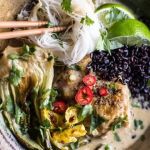 How to Make Thai Food That’s Safe for Major Allergies (Nut-Free, Soy-Free)
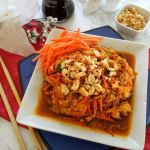 How to Make Thai Food that’s Naturally Gluten-Free