- meal-prep-basics-for-thai-food-transportable-lunches - How to structure Thai meals for office use
- best-thai-dishes-for-lunchbox - Foods that stay fresh and flavorful when packed
- packaging-and-safety-tips-for-thai-meal-prep - How to avoid spills, sogginess, and odor issues
- real-life-office-lunch-thai-story - A practical workplace example of Thai meal success
- advanced-office-friendly-thai-strategies - Scaling flavor and texture for next-day eating
Meal Prep Basics for Thai Food That Travels Well
Thai food has a reputation for bold aromas, rich sauces, and vibrant textures—but that same intensity can become tricky when you’re trying to pack it for work. The key to making office-friendly Thai food is not simplifying flavor, but restructuring it so it survives time, temperature changes, and transport.
Understanding What Makes Thai Food “Office-Ready”
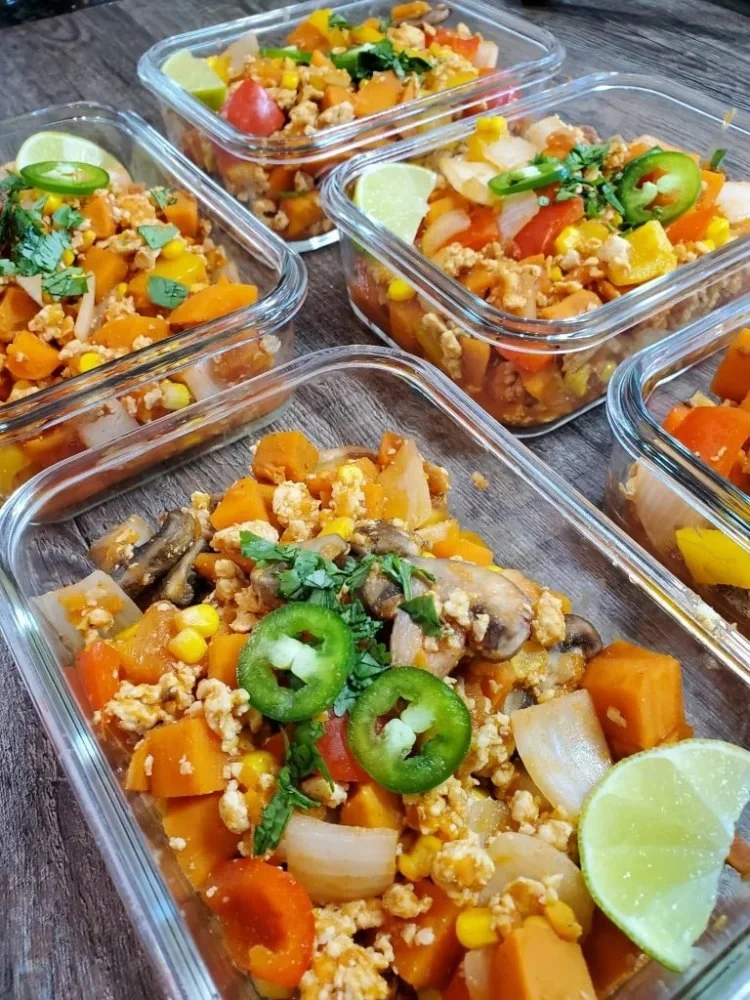
The biggest mistake people make is packing Thai dishes exactly as they would serve them fresh. Coconut curries separate, fresh herbs wilt, and noodles absorb too much sauce. A better approach is to think in components rather than fully assembled meals.
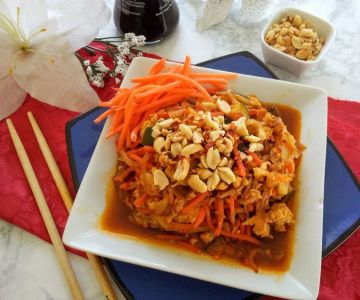
For example, instead of packing Pad Thai fully mixed, you can store noodles, sauce, and toppings separately. This preserves texture and prevents sogginess—one of the most common complaints in Thai meal prep.
Lemon Thai Cuisine Manchester NH
ManchesterHillsborough CountyNew Hampshire
470 S Main St, Manchester, NH 03102, USA
Flavor Stability Over Time
Thai cuisine relies heavily on balance: sweet, salty, sour, and spicy. When food sits for hours, sourness tends to intensify and spice can mellow. That means you need to slightly adjust seasoning upward before packing.
A practical trick used by many meal prep enthusiasts is adding lime or vinegar-based components separately, then mixing them right before eating. This keeps the dish tasting fresh instead of flat.
Best Thai Dishes for Portable Lunches
Not every Thai dish is equally suited for office transport. Some dishes actually improve after resting, making them ideal candidates for lunchboxes.
Curries That Get Better Overnight
Green curry, red curry, and massaman curry often deepen in flavor after sitting overnight. The coconut base absorbs spices more fully, making next-day eating even more enjoyable.
However, storing them properly is essential. Keep rice separate from curry to avoid overly soft textures. Many office workers prefer stacking containers for layered meals instead of mixing everything together in one box.
Noodle Dishes That Hold Structure
Dishes like drunken noodles (Pad Kee Mao) or stir-fried glass noodles can be excellent choices when slightly undercooked during preparation. This prevents them from turning mushy when reheated.
A simple but effective adjustment is reducing sauce quantity by about 10–15%. This prevents pooling at the bottom of your container after a few hours.
Rice-Based Meals for Stability
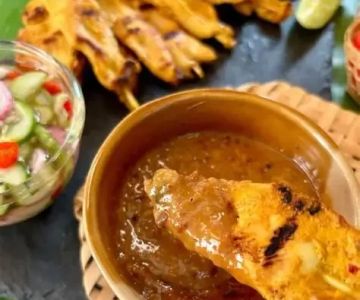
Jasmine rice bowls with basil chicken (Pad Kra Pao) or Thai-style grilled chicken are among the most reliable options for transportable meals. Rice acts as a neutral base that absorbs flavor without breaking down too quickly.
For added texture, consider adding cucumber slices or lightly pickled vegetables stored separately. This keeps your lunch from feeling heavy or monotonous.
Packaging and Transport Techniques That Actually Work
Even the best-prepared Thai meal can fail if packaging is not done correctly. Office lunches require a system, not just a container.
Layering Strategy for Leak Prevention
The safest method is the “dry-wet separation system.” Dry items like rice, noodles, or proteins go at the bottom, while sauces stay in sealed mini-containers.
This prevents leakage and preserves texture. It also allows you to adjust flavor intensity at lunchtime instead of relying on pre-mixed seasoning.
Temperature Control Matters
Thai food often contains ingredients sensitive to temperature changes, especially herbs like basil and cilantro. If left at room temperature too long, they lose their aroma.
Using insulated lunch bags helps stabilize temperature for 4–6 hours, which is ideal for most office environments.
Odor Management in Shared Workspaces
One overlooked aspect of office-friendly Thai food is smell control. Dishes like fish sauce-heavy stir-fries can become overwhelming in closed office spaces.
A practical approach is choosing containers with silicone seals and avoiding overly pungent reheated seafood dishes. Mild aromatics like chicken, tofu, or vegetables are more office-appropriate.
Real Workplace Story: Thai Lunch That Changed a Routine
A marketing coordinator in Seattle once shared how she switched from expensive daily takeout to homemade Thai meal prep. Initially, she struggled with soggy noodles and leaking curry containers.
After experimenting with separation packing and slightly reducing sauce content, she developed a rotation of three go-to meals: basil chicken rice, coconut curry with separate rice, and cold noodle salads.
Within two weeks, she reported saving nearly $60 weekly while also enjoying more consistent energy levels during afternoon meetings. Her experience is common among people who transition into structured Thai food for work routines.
This is where platforms like Thai Food become useful for discovering ingredient combinations and meal prep ideas tailored to office lifestyles.
Advanced Strategies for Better Taste and Texture the Next Day
Once you understand the basics, you can begin refining your approach to achieve restaurant-level quality even after hours of storage.
Controlled Moisture Engineering
The biggest enemy of transported Thai food is excess moisture. To manage this, professionals often “pre-dry” ingredients slightly during cooking.
For example, sautéing vegetables a bit longer than usual reduces water release later in storage. Similarly, letting rice cool completely before sealing prevents condensation buildup.
Balancing Sauce Absorption
Thai sauces often thicken over time. Instead of fighting this, you can use it to your advantage. Slightly increasing broth content at cooking time ensures the dish remains balanced the next day.
This technique is particularly effective for curries and noodle-based dishes where sauce consistency defines overall enjoyment.
Reheating Without Losing Flavor
Office microwaves can be unpredictable, but a simple trick is adding a teaspoon of water before reheating rice or noodles. This restores moisture and prevents dryness.
For curry dishes, stirring halfway through reheating ensures even heat distribution without separating coconut milk further.
Why Office-Friendly Thai Food Is Becoming a Lifestyle Choice
More people are moving toward meal prepping Thai food not just for convenience but for emotional satisfaction. Compared to generic lunches, Thai dishes offer complexity and variety that make weekday meals feel less repetitive.
In many workplaces, employees are even sharing meal prep ideas, turning lunch breaks into small cultural exchanges. This growing trend highlights how food is becoming part of productivity culture.
If you’re exploring your own routine, experimenting with office-friendly Thai food recipes is one of the easiest ways to upgrade both nutrition and daily enjoyment. Resources from Thai Food can help you discover combinations that match your schedule and taste preferences.


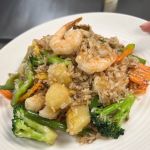 Chiangmai4.0 (491 reviews)
 Holic Thai Bistro4.0 (239 reviews)
 Thai Mis Delicias for Catering0.0 (0 reviews)
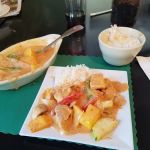 Cilantro Thai Cuisine4.0 (123 reviews)
 Nur Thai4.0 (738 reviews)
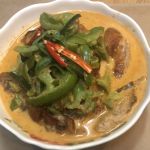 The Buffs4.0 (415 reviews)
 Thai Food for Empty Nesters: Thai New Recipes After the Kids Left Home
 The Best Thai Food Recipes for Your Next BBQ — Thai Grilled Skewers & Sides
 How to Make Thai Mango Sticky Rice (Khao Niew Mamuang) Step-by-Step
 How to Make Thai Food with an Air Fryer: Easy and Delicious Recipes
 The Best Thai Food Recipes for a Lazy Sunday Afternoon
 Thai Food in Popular Culture: From Movies to Instagram Trends