
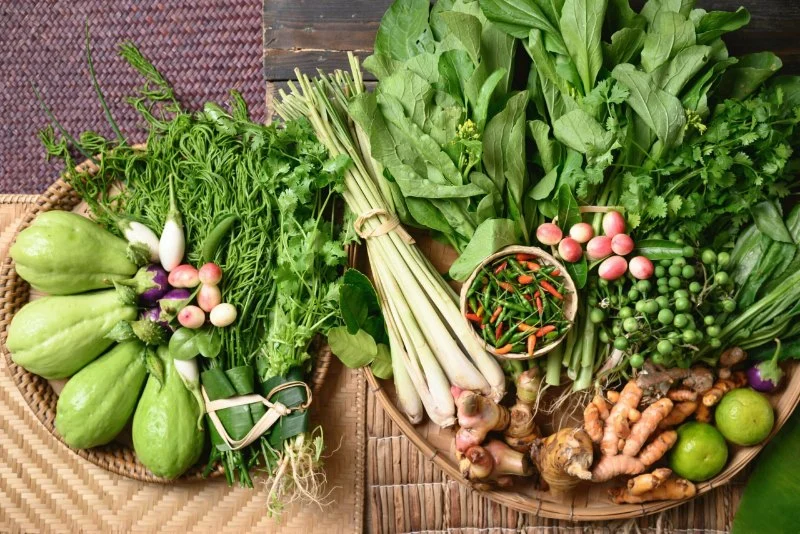
Thai Food Ingredient Guide: How to Store Thai Fresh Herbs & Spices at Home
- Why Proper Storage Is Crucial for Thai Herbs and Spices
- Storing Fresh Thai Herbs: Best Practices
- How to Preserve Dried Thai Spices
- Common Mistakes When Storing Thai Ingredients
Why Proper Storage Is Crucial for Thai Herbs and Spices
Storing Thai herbs and spices properly is essential for preserving their fresh flavors and ensuring that your Thai dishes are as vibrant as intended. Improper storage can lead to loss of potency, discoloration, and a decline in taste. Many of the herbs used in Thai cuisine, like basil, cilantro, and lemongrass, are highly perishable. Proper storage helps maintain their quality, extending their shelf life and keeping them ready for use in your favorite recipes.

Thai Mis Delicias on 6th ave
New YorkNew York CountyNew York
W 40th St, 6th Ave, New York, NY 10018, USA
Storing Fresh Thai Herbs: Best Practices
Fresh Thai herbs like basil, cilantro, mint, and kaffir lime leaves require special care to maintain their freshness. Here are some tips for storing these herbs:
- Thai Basil: Store Thai basil in a glass of water, similar to a bouquet of flowers. Keep it on the counter and change the water every couple of days. If you need to store it longer, wrap the stems in a damp paper towel, place it in a plastic bag, and refrigerate it.
- Cilantro: Cilantro can also be stored like Thai basil, but it benefits from being placed in the refrigerator with the stems in water. Alternatively, wrap the cilantro in a damp paper towel and store it in a sealed container.
- Lemongrass: Lemongrass should be stored in the fridge. Trim the bottom and place it in a jar of water, covering the stalks with a plastic bag to preserve freshness. Alternatively, you can freeze lemongrass for long-term storage by wrapping it in plastic and placing it in the freezer.
- Mint: Like basil and cilantro, mint should be stored in water. Place the stems in a glass of water and store it in the fridge. Mint can also be dried for future use by hanging the sprigs upside down in a dry space.
How to Preserve Dried Thai Spices
Dried spices like Thai chili flakes, galangal, and curry powder need proper care to retain their flavor. Follow these tips:
- Chili Flakes: Store chili flakes in an airtight container in a cool, dark place. Avoid storing them near the stove or oven as heat can cause the oils to evaporate and reduce the spiciness.
- Galangal: Dried galangal should be stored in a sealed container in a dry, cool place, away from sunlight. For longer shelf life, store it in the freezer.
- Curry Powder: Curry powders and other spice mixes should be kept in airtight containers, away from heat and light. If possible, buy curry powder in small batches to ensure maximum freshness.
Common Mistakes When Storing Thai Ingredients
Here are some common mistakes people make when storing Thai ingredients and how to avoid them:
- Storing herbs in plastic bags without air circulation: This traps moisture and can cause herbs to wilt quickly. Always leave some space for airflow when storing fresh herbs.
- Using clear containers for dried spices: Sunlight can degrade the quality of spices and reduce their potency. Always use opaque containers for storing dried ingredients.
- Not refrigerating perishable herbs: Many fresh Thai herbs, especially leafy ones, need to be stored in the fridge to prevent wilting and spoilage. Don’t leave them on the counter for extended periods.
By following these guidelines, you can keep your Thai ingredients fresh and flavorful, ensuring that your dishes are always bursting with authentic taste. Whether you’re making a delicious Thai curry or a vibrant salad, the quality of your ingredients plays a key role in the final result.
For more tips on Thai cooking and the best products for your kitchen, visit Thai Food for great recipes and ingredient recommendations!

 Thai Max3.0 (57 reviews)
 Narkara4.0 (127 reviews)
 Cravin Thai4.0 (564 reviews)
 Thai Kitchen4.0 (1427 reviews)
 Kati Thai Cuisine4.0 (989 reviews)
 Thai Avenue4.0 (45 reviews)
 Thai Food Ingredient Spotlight: Thai Coffee & Tea — Beyond the Meal
 How to Make Thai Food That’s Restaurant-Quality Using Your Oven
 How to Make Thai Food That’s Kid-Approved (Picky Eaters Welcome)
 How to Make Thai Street-Style Pad See Ew at Home: A Simple Guide
 How to Make Thai Peanut Sauce from Scratch (and Use It Everywhere)
 How to Make Restaurant-Quality Pad Thai at Home in Under 30 Minutes