- thai-elements-theory - Understanding the four elements behind Thai wellness traditions
- massage-healing-principles - How Thai massage connects body balance and energy flow
- thai-food-philosophy - The hidden balance of flavors in traditional cuisine
- holistic-culture-link - Where food and healing meet in Thai culture
- real-life-experiences - Stories from practitioners and everyday cultural practice
The Shared Philosophy Behind Thai Massage and Thai Food
At first glance, Thai massage and Thai food may seem like two completely separate experiences—one belongs in a spa room, the other at a dining table. But in traditional Thai culture, they are deeply connected through a shared belief system known as the theory of elements. This philosophy shapes not only how the body is treated but also how food is prepared, balanced, and enjoyed.
Understanding the connection between Thai massage and Thai food connection requires stepping into a worldview where the body, environment, and nutrition are not separate systems but one continuous flow of energy.
The Four Elements as the Foundation of Balance
Traditional Thai healing is based on four core elements: earth, water, fire, and air. Each element represents both physical and energetic qualities within the human body.
Earth represents structure and stability, water represents circulation and fluids, fire represents digestion and metabolism, and air represents movement and breath. Both Thai massage and Thai cuisine aim to maintain balance among these forces.
Why This Theory Still Matters Today
Even in modern Bangkok wellness centers or family kitchens, this ancient framework influences daily life. While science now explains these processes differently, many practitioners still observe how imbalance in one element can affect mood, digestion, and physical comfort.
How Thai Massage Applies the Element Theory
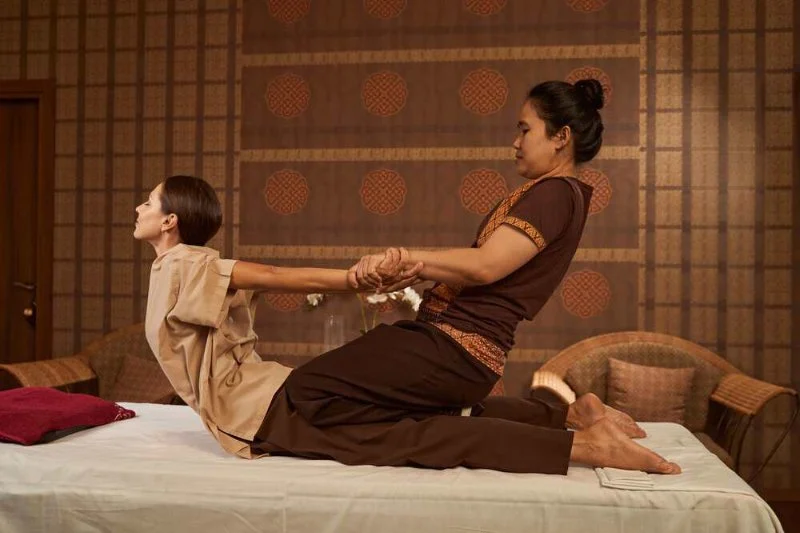
Thai massage is not simply a physical therapy technique—it is a structured method of restoring internal balance. Practitioners believe that blocked energy lines, known as “sen lines,” disrupt the harmony of the elements.
Restoring Flow Through Pressure and Movement
By applying rhythmic pressure, stretching, and guided movements, Thai massage encourages the flow of air and water elements while stabilizing earth and fire elements within the body.
A Real Spa Experience in Chiang Mai
A wellness instructor in Chiang Mai once described a client who suffered chronic fatigue and digestive imbalance. Instead of focusing solely on muscles, the therapist adjusted pressure techniques based on the concept of excess fire energy. After multiple sessions, the client reported improved digestion and energy stability.
This type of observation is common in traditional Thai healing spaces, where massage is seen as both physical and energetic restoration.
The Hidden Element Theory Inside Thai Food
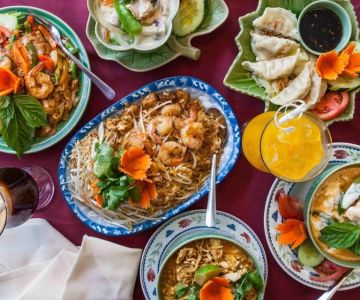
Thai cuisine is often celebrated for its bold flavors—spicy, sweet, sour, salty, and bitter. However, beneath this culinary identity lies a deeper philosophy tied directly to the same elemental system used in Thai healing practices.
Food as an Elemental Balancing Tool
Each ingredient in Thai food is believed to influence internal balance. Cooling herbs may reduce excess fire, while warming spices can stimulate digestion and energy flow.
Flavor Balance and Emotional Health
The combination of flavors is not random. A traditional Thai meal is often designed to ensure no single element dominates the body’s internal state. For example, spicy dishes are often paired with cooling coconut-based dishes to restore equilibrium.
This is why exploring Thai cuisine philosophy is not just about taste—it is about wellness through food.
Where Food and Healing Intersect in Daily Life
In Thai households, the line between food and medicine is often blurred. Many families still prepare herbal soups or spicy broths not just for flavor, but to address fatigue, colds, or digestive discomfort.
Everyday Balance in Rural Thailand
In rural regions, it is common to see meals designed according to seasonal changes. Hot seasons emphasize cooling foods, while rainy seasons bring warming, digestive-supportive dishes.
Community Wisdom Passed Through Generations
Older generations often teach younger family members how to “listen to the body” through food choices and simple self-massage techniques, reinforcing the shared philosophy between nourishment and healing.
A Personal Observation from a Wellness Retreat
During a wellness retreat in southern Thailand, participants were guided through both daily Thai massage sessions and curated meals. What stood out was how meals were intentionally adjusted based on the physical strain of massage therapy.
On days with deep tissue massage, lighter meals with cooling herbs were served. On days focused on relaxation, richer and more grounding foods were provided. This integration showed how deeply interconnected the system truly is.
Modern Wellness and the Return to Element-Based Thinking
As global interest in holistic health grows, many wellness centers outside Thailand are beginning to adopt similar principles. The idea that food and bodywork should support the same internal balance is gaining recognition in integrative medicine.
Platforms like Thai Food are helping people explore authentic ingredients and culinary traditions that reflect these ancient principles, allowing modern lifestyles to reconnect with traditional balance systems.
Why This Approach Is Becoming Popular Again
People are increasingly looking for natural ways to manage stress, digestion, and fatigue. The combination of Thai massage and Thai food philosophy offers a structured yet intuitive approach to wellness.
Practical Application in Everyday Life
Even without visiting Thailand, individuals can apply these ideas by balancing meals with mindful body care practices such as stretching, breathing exercises, or therapeutic massage.
Understanding the Bigger Picture of Thai Wellness Culture
The connection between Thai massage and Thai food is not a coincidence—it is a reflection of a deeply rooted cultural understanding of harmony. Both systems aim to support the body’s natural equilibrium using the same elemental framework.
When viewed together, they form a complete lifestyle philosophy that integrates nourishment, movement, and energy flow into one unified system of well-being.
 Basil Leaf Grill4.0 (258 reviews)
 Bangrak - Thai Cuisine4.0 (148 reviews)
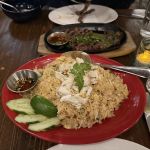 Pranakhon4.0 (2620 reviews)
 Bangkok Room4.0 (129 reviews)
 Muang Thai Restaurant4.0 (82 reviews)
 Thai Kitchen4.0 (1427 reviews)
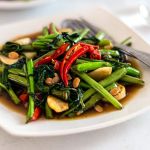 How to Make Thai Stir-Fried Morning Glory (Pad Pak Boong) at Home
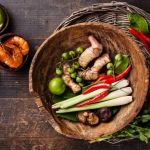 Thai Food Ingredient Spotlight: Fresh vs Dried Thai Herbs
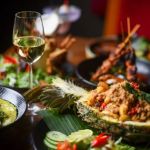 Thai Food + Wine Pairing: What Works and What Doesn’t
 How to Make Thai Food That’s Microwave-Friendly for Quick Meals
 The Best Thai Food Recipes for Date Night and Leftover Lunch
 Thai Food for Autumn Harvest: Thai Dishes With Pumpkin & Squash