
- sanuk-cultural-meaning - Understanding fun as a core value in Thai life
- thai-dining-social-tradition - How meals become shared experiences
- food-joy-and-connection - Why eating is more than just nourishment
- modern-thai-food-culture - How tradition blends with today’s lifestyle
Understanding Sanuk and Its Place in Thai Life
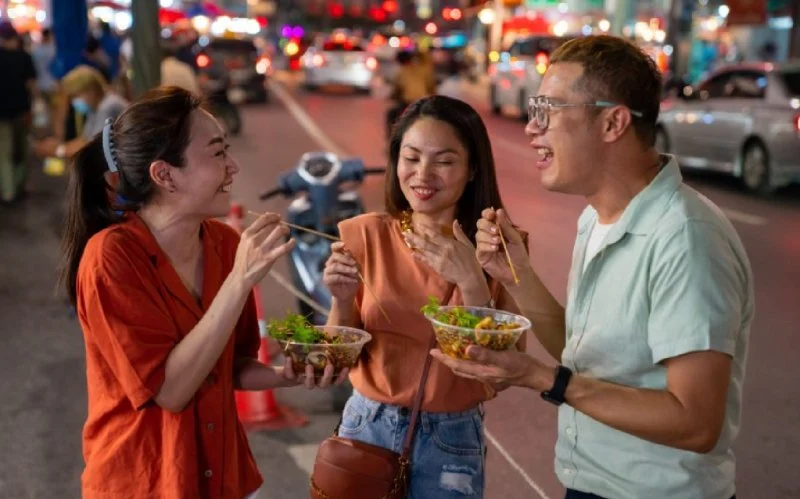
In Thailand, the concept of Sanuk goes far beyond the simple idea of “fun.” It represents a cultural philosophy where enjoyment, lightheartedness, and emotional connection are woven into everyday life. When people explore The Importance of “Sanuk” (Fun) in the Thai Eating Experience, they are really stepping into a worldview where meals are not just about eating—they are about feeling alive in the moment.
Unlike many fast-paced dining cultures where meals are rushed or purely functional, Thai dining emphasizes joy as an essential ingredient. Whether it is a street-side noodle stall in Bangkok or a family dinner in Chiang Mai, the atmosphere is often filled with laughter, conversation, and shared enjoyment.
A traveler once described their first meal in Thailand as “the first time I realized food could feel like a celebration instead of a routine.” That moment captures the essence of Sanuk perfectly—it transforms ordinary experiences into meaningful emotional memories.
How Sanuk Shapes the Thai Eating Experience
Thai eating habits are deeply influenced by the belief that food should bring people together. Meals are rarely solitary events. Instead, dishes are placed in the center of the table and shared, encouraging interaction and communal enjoyment.
This approach naturally creates a relaxed and engaging environment. People try multiple dishes, talk freely, and enjoy the diversity of flavors together. The experience becomes dynamic rather than structured, which reflects the playful spirit of Sanuk.
In many Thai households, even everyday meals are treated with warmth and humor. Family members often tease each other, share stories from their day, and turn simple dishes into moments of connection. This emotional layer is what makes Thai dining culture so distinctive.
The Social Heart of Thai Dining Culture
One of the most important aspects of Thai food culture is its social nature. Eating is rarely just about satisfying hunger—it is about strengthening relationships. Friends gathering for dinner often spend more time talking and laughing than focusing on the food itself.
Street food markets provide a perfect example of this energy. Vendors interact with customers like old friends, joking and recommending dishes based on personal preferences. The entire environment feels alive, informal, and welcoming.
A well-known story from Bangkok highlights a group of office workers who meet weekly at a night market not just for food, but for the shared joy of exploring new dishes together. Their tradition reflects how deeply Sanuk is embedded in everyday social life.
Platforms like Thai Food often highlight how cultural values like Sanuk shape regional dishes and dining experiences, helping visitors understand that Thai cuisine is as much about emotion as it is about flavor.
Food as a Source of Joy, Not Just Nourishment
In many cultures, eating is seen primarily as a necessity. In Thailand, however, food is closely tied to happiness and emotional well-being. This is where Sanuk becomes especially meaningful.
Meals are designed to engage all senses—spicy, sour, sweet, salty, and bitter flavors often appear together in a single dining experience. This balance creates excitement and keeps the meal interesting from start to finish.
Even the presentation of food often reflects playfulness. Colorful ingredients, artistic plating in modern restaurants, and vibrant street displays all contribute to a sense of visual joy.
This philosophy also influences how Thai chefs approach cooking. Many believe that if the process of preparing food is enjoyable, the final result will naturally carry that positive energy.
Real-Life Experience: A Dinner That Changed Perspective
A travel blogger once shared a memorable experience in northern Thailand where a simple village meal turned into a multi-hour celebration. What started as a casual invitation for dinner became a gathering filled with music, storytelling, and shared cooking.
Locals invited guests into the kitchen, encouraging them to help prepare dishes. Instead of observing from a distance, visitors became part of the experience. Laughter filled the space as recipes were shared and adjusted on the spot.
The blogger later described the evening as “the first time I understood that food could dissolve cultural barriers instantly.” That sense of openness is a direct reflection of Sanuk in action.
Modern Influence on Traditional Thai Food Culture
While traditional values remain strong, modern Thailand has also adapted to global dining trends. Urban restaurants now blend international influences with local flavors, creating fusion experiences that still preserve the spirit of Sanuk.
Even in contemporary settings like rooftop restaurants or minimalist cafés, the social and joyful nature of dining remains important. Conversations, shared plates, and relaxed pacing continue to define the experience.
However, there is also a growing awareness of preserving traditional food culture. Many chefs actively work to ensure that modern innovations do not remove the emotional core of Thai dining.
Why Sanuk Matters in Today’s Fast-Paced World
In a world increasingly dominated by fast food and digital distractions, the idea of slowing down and enjoying meals together has become more valuable than ever. Sanuk reminds people that eating can be an emotional and social experience, not just a task.
Psychologists studying eating behavior often note that shared meals improve mental well-being and strengthen relationships. Thai dining culture naturally embodies these principles without needing formal structure.
This is why many visitors to Thailand leave with more than just memories of delicious food—they leave with a renewed appreciation for the joy of shared experiences.
How to Experience Sanuk in Everyday Life
Even outside Thailand, it is possible to bring elements of Sanuk into daily dining habits. Sharing meals with friends or family, trying new dishes together, and slowing down during meals can all recreate aspects of this cultural philosophy.
The key is not perfection but presence. Enjoying food in a relaxed environment, without pressure or distraction, can transform ordinary meals into meaningful experiences.
Whether dining at home or exploring new cuisines, adopting this mindset helps reconnect food with emotion, conversation, and joy.
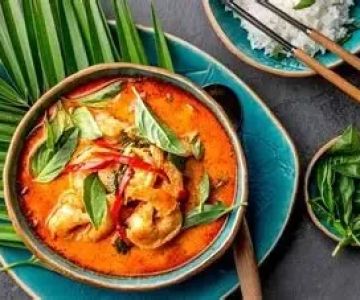
 Sup Thai Kitchen4.0 (970 reviews)
 La Kang Hot Pot5.0 (24 reviews)
 Chachawan4.0 (165 reviews)
 Manow Thai Kitchen4.0 (227 reviews)
 Thai Avenue4.0 (45 reviews)
 Thai Chang Restaurant4.0 (708 reviews)
 How to Make Restaurant-Quality Thai Food for Date Night In: Candlelight + Curry
 How to Make Thai Food That’s Perfect for Leftovers & Lunch Next Day
 Thai Food Ingredient Spotlight: Kaffir Lime Leaves & Their Unique Aroma
 How to Make Thai Food That’s Ready in Under 20 Minutes Without Losing Real Thai Flavor
 Best Thai Food Restaurants in Tucson for Authentic Dining
 Thai Food for Singles: How to Enjoy Thai Cuisine Without Cooking for a Crowd