Khao Soi Guide: Curry Noodles, Toppings, and Balance
Khao soi is widely associated with Northern Thailand and is often served as a rich curry noodle bowl with tender noodles beneath a crisp noodle garnish. Restaurant versions vary in curry base, protein, sweetness, richness, and heat. A good order is less about finding one “correct” bowl than understanding the menu, tasting before seasoning, and using the accompaniments to build balance.
Quick answer
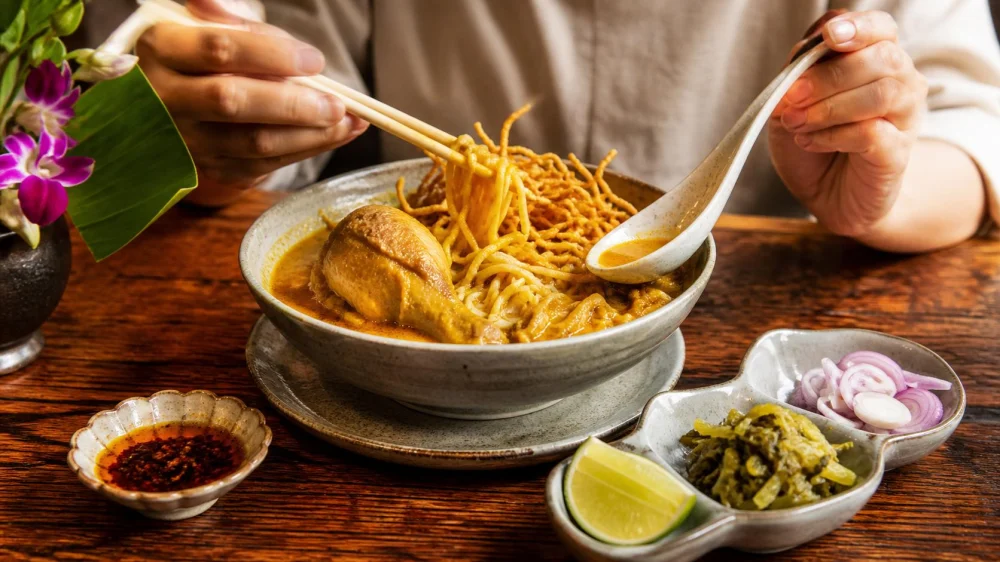
Read the menu description for curry style, protein, noodle type, and included condiments. Expect a creamy, aromatic broth in many versions, soft egg noodles, crisp fried noodles, and sides such as lime, pickled mustard greens, shallot, and chile oil. Taste the broth first, then add lime for brightness, pickles for tang and crunch, shallot for sharpness, and chile in small amounts.

Understand the bowl
Many khao soi bowls combine a coconut-enriched curry broth with wheat-and-egg noodles, a braised or cooked protein, and fried noodles on top. Spices and aromatics may include turmeric, coriander, garlic, ginger-like roots, chile, and curry paste, but the exact profile changes by cook and region.
Some restaurants offer a thicker, sweeter bowl; others emphasize savory spice or a lighter broth. Ask how the kitchen describes its version instead of assuming color alone predicts heat or flavor.

Choose a protein
Chicken, especially a bone-in leg, is a common presentation and can add depth to the broth. Beef may be braised until tender. Pork, seafood, tofu, mushrooms, or vegetables appear on some menus. Confirm whether a vegetarian-looking version uses fish sauce, shrimp paste, chicken stock, or shared curry paste.
Bone-in pieces require careful eating in a deep bowl. Move bones to a side plate rather than hiding them under noodles. For children or anyone who needs easier handling, ask whether boneless protein is available.
Notice two noodle textures
The submerged noodles should be tender enough to lift while retaining some structure. The fried garnish starts crisp and gradually softens as it meets steam and broth. That changing contrast is part of the experience.
Break the crisp nest gently with chopsticks or a spoon so pieces do not scatter. Mix only part of it at first if you want to preserve crunch. If the bowl sits too long, both noodle layers continue absorbing liquid.
Use toppings with purpose
Lime sharpens a rich broth. Pickled mustard greens add acidity, salt, and a firm bite. Raw shallot brings freshness and pungency. Chile oil or roasted chile adds both heat and flavor. Toppings may arrive separately so each diner can adjust the bowl.
Taste first. Squeeze a small section of lime, stir one spoonful area, and sample again. Add pickles a little at a time because their salt and acidity can dominate. Keep unused shared condiments clean by using the serving spoon.
Adjust heat gradually
Curry color does not provide a reliable spice scale. Ask whether the base already contains chile and whether heat can be changed. Added chile oil spreads through fat-rich broth and is difficult to remove, so begin with a few drops.
If the bowl becomes too hot, more chile-free broth or noodles may help when the kitchen can provide them. Water does not erase capsaicin. Avoid touching eyes after handling chile and wash hands thoroughly.
Ask about allergens
Potential concerns include wheat and egg in noodles, coconut, soy, peanuts or tree nuts in garnishes or shared preparation, fish sauce, shrimp paste, shellfish, dairy in an adapted recipe, and sesame. Ingredients vary, and a garnish removed from the top does not remove it from a curry paste or broth.
For a food allergy, tell staff the allergen and seriousness, ask about every component and shared fryer, and choose another dish if the kitchen cannot confirm safe handling. “Vegetarian,” “vegan,” and “gluten-free” should be verified for the exact restaurant version.
Eat it at its best
Use chopsticks or a fork to lift noodles and a spoon for broth and smaller toppings. Let very hot broth cool before tasting. Turn long noodles into a manageable bundle above the bowl rather than splashing curry.
Alternate noodles, protein, toppings, and broth to notice the balance. Khao soi is often substantial; sharing appetizers or ordering a smaller portion can leave room to enjoy the bowl while fresh.
Handle takeout well
Ask the restaurant to pack broth, soft noodles, crisp noodles, herbs, lime, and pickles separately when possible. At home, reheat broth and cooked protein until safely hot according to restaurant or food-safety guidance, then add noodles briefly and finish with crisp garnish.
Refrigerate perishable leftovers within two hours, or within one hour in very hot conditions. Use shallow containers, keep crisp garnish dry, and reheat only the portion you plan to eat. Discard food left out beyond safe limits.
Frequently asked questions
Is khao soi always very spicy?
No. Heat varies by curry base and added chile. Ask and adjust gradually.
Are the noodles always egg noodles?
Often, but not universally. Confirm ingredients for allergies or dietary needs.
Should all toppings be mixed in at once?
No. Add small amounts and taste so the bowl remains balanced.
Can it be vegetarian?
Sometimes, but verify broth, curry paste, fish sauce, shrimp paste, and shared preparation.
Next steps
Choose the restaurant’s protein and heat level, verify dietary needs, taste the broth before seasoning, and add lime, pickles, shallot, and chile in stages. For takeout, protect the two noodle textures by keeping crisp garnish separate until serving.


 Chon Tong Thai Kitchen and Dessert4.0 (162 reviews)
 Mama's Thai Cuisine4.0 (183 reviews)
 Origin Thai Bistro4.0 (208 reviews)
 Terra Thai4.0 (331 reviews)
 The Thai4.0 (530 reviews)
 Thai Spice3.0 (121 reviews)
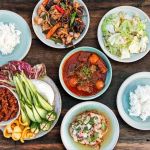 The Best Thai Food Recipes for Date Nights & Solo Nights
 How to Make Thai Food That’s Office-Friendly & Easy to Pack Meals
 Thai Food and Wellness: Thai Herbs That Might Boost Your Health
 Pad Kra Pao Guide: Holy Basil, Heat, Rice, and Fried Egg
 How to Make Thai Food That’s Flavourful with Basic Pantry Items
 How to Make Thai Food That’s Balanced for Both Flavor & Nutrition