
Thai Curry Paste Guide: Read Ingredients Before Cooking
On this page
Quick answer
Choose Thai curry paste from the ingredient list and intended dish, not color alone. Compare chile type and order, aromatics, salt, shrimp paste or fish ingredients, spices, sweeteners, oil, acidity, allergens, and serving guidance. Start with less than the final amount, cook it by the recipe’s method, add liquid and main ingredients, then taste the complete curry before adjusting heat, salt, sweetness, richness, or acidity.
This guide helps U.S. shoppers and home cooks compare prepared pastes. Thai regional traditions, homemade formulas, restaurant recipes, and commercial brands vary. The current package and the cook’s recipe control a specific product.

What Thai curry paste does
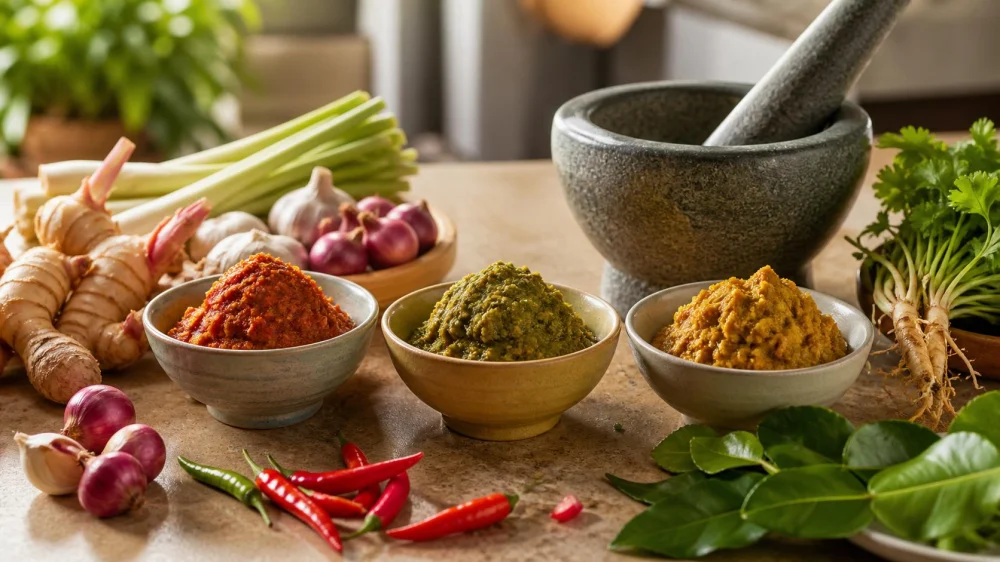
Thai curry paste is a concentrated mixture of chiles, aromatics, seasonings, and sometimes spices or fermented ingredients that forms the flavor base of a curry or other dish. It may contribute heat, salt, fragrance, color, and savory depth at the same time.
Common aromatic components can include lemongrass, galangal, garlic, shallot, coriander root or seed, citrus peel or leaf, and pepper. Exact combinations depend on the curry style and producer.
Because paste is concentrated, changing the amount affects several flavor dimensions. Doubling it may increase salt and fermented flavor as well as chile heat.
Why color is not a heat scale
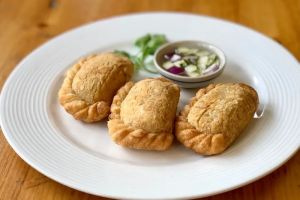
Red, green, yellow, orange, or darker brown appearance can reflect chile varieties, fresh versus dried ingredients, turmeric or other spices, herbs, roasting, and processing. Color does not reliably tell you which paste will be hottest.
A green paste can contain many fresh green chiles; a red paste can use milder dried chiles; a yellow paste can still have strong heat. Producers also formulate for different markets.
Use the label, a trusted recipe, seller information, and a small test. If cooking for people with different heat preferences, build a moderate shared base and offer compatible chile additions separately when appropriate.
How to read the ingredient label
- Chiles: note their position in the list and any specific type named.
- Salt: compare the paste’s salt with fish sauce, soy sauce, stock, and other salty ingredients in the recipe.
- Seafood: check for shrimp paste, dried shrimp, fish, or fish sauce when allergies or vegetarian needs matter.
- Other allergens: read the current allergen statement and every ingredient, including shared-facility information relevant to the diner.
- Oil and sugar: determine whether the paste already includes them before adding more.
- Additives: check preservatives, colors, acidity regulators, and flavor enhancers according to your needs.
- Directions: note the suggested amount, cooking method, refrigeration, shelf life, and use after opening.
Do not assume a paste is vegetarian, vegan, gluten-free, allergen-free, or low-sodium based on color or curry name.
How to cook with paste
- Prepare ingredients first. Curry paste can become harsh if left unattended in a hot pan.
- Use the recipe’s fat and heat method. Some recipes fry paste in oil; others cook it with separated coconut cream or another liquid.
- Start modestly. Use less of an unfamiliar paste and reserve room to add more.
- Cook until aromatic, not scorched. Stir and control heat; burning aromatics cannot be fixed by extra coconut milk.
- Add liquid and main ingredients in sequence. Respect safe cooking times for meat, seafood, tofu, and vegetables.
- Retaste near the end. Heat, salt, sweetness, and aroma change after dilution and simmering.
Use a clean, dry spoon in the container and refrigerate or store exactly as the label directs. Discard a product with damaged packaging, unexpected gas, mold, off odor, or other spoilage signs.
Balance the complete curry
Taste for distinct questions: Is the chile level comfortable? Is it salty enough? Does it need richness, sweetness, or acidity? Are the aromatics present but not raw? Do the main ingredients still have their own flavor?
Add one element at a time. More fish sauce changes salt and aroma; more sugar can make a dish sweet without reducing chile compounds; more coconut milk changes richness and volume. A spoonful of paste added late may taste raw unless cooked appropriately.
When adapting a restaurant-style recipe, avoid chasing a single universal “authentic” balance. Thai cooks and regions use different profiles, and a commercial paste may already combine ingredients the recipe expects separately.
Curry-paste checklist
- Curry style and recipe role identified
- Heat assessed beyond paste color
- Salt, seafood, allergens, oil, and sugar checked
- Storage and after-opening directions read
- All ingredients prepared before heating paste
- Small starting amount reserved for adjustment
- Paste cooked without scorching
- Full curry tasted before adding seasoning
- Product and amount recorded for the next batch
Limitations and important notes
- Heat and salt vary by brand, batch, chile, and recipe.
- A restaurant’s curry name does not reveal every ingredient or allergen.
- People with severe allergies need current label and kitchen cross-contact information.
- Coconut milk, stock, protein, and vegetables each add separate food-safety and storage requirements.
- Do not taste raw animal ingredients or a curry before required safe cooking is complete.
Frequently asked questions
Is green curry always hotter than red curry?
No. Heat depends on the chiles, proportions, producer, and amount used. Color alone is not a reliable scale.
Is Thai curry paste vegetarian?
Some are, while others contain shrimp or fish ingredients. Read the full current label and ask about cross-contact when needed.
Can I use curry paste straight from the jar as a sauce?
Use it as the package or recipe directs. Concentrated paste may be raw-tasting, very salty, or too hot until cooked and diluted.
Why did my curry taste too salty?
The paste and later seasonings may both contain salt. Next time start with less paste or delay other salty ingredients until after tasting.
Can I freeze leftover curry paste?
Follow the producer’s storage guidance. If freezing is permitted, portion with clean tools, protect from contamination, label the date, and monitor quality.
Sources and evidence notes
This article reflects broad culinary and packaged-food practice: read the complete label, separate heat from color, account for salt and allergens across the whole recipe, cook concentrated aromatics without scorching, store as directed, and adjust the finished dish one element at a time. Exact Thai curry composition depends on style and producer.
Next steps
Choose one curry recipe and compare two pastes by ingredients, seafood content, salt, storage, and suggested amount. Cook a small batch with the milder starting quantity, record the product and result, then adjust only after tasting the complete curry. Use those notes instead of assuming the next jar will behave the same.
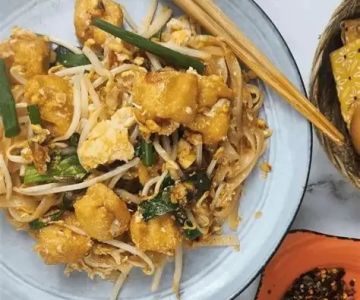
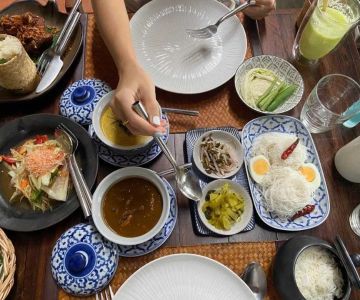
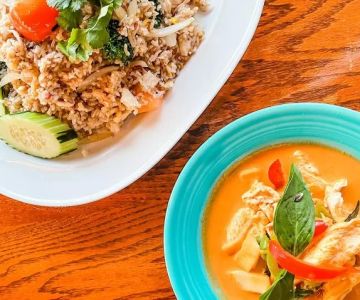

 Charming-Thai Restaurant Burlington4.0 (129 reviews)
 Thai Station Cafe babylon4.0 (366 reviews)
 MyThai Kitchen4.0 (137 reviews)
 Kai Yang4.0 (501 reviews)
 Just Noodles Thai Express4.0 (3 reviews)
 Asian Delight NH4.0 (383 reviews)
 Thai Fried Rice Guide: Khao Pad, Protein, Seasoning, and Sides
 How to Make Thai Food That’s Simple Enough for 2 & Delicious Enough for a Crowd
 How to Order Thai Noodle Soup at a Restaurant
 The Best Thai Food Podcasts to Listen to While Cooking
 How to Make Thai Food That’s Low-Fat Without Losing the Taste
 The Best Thai Food Recipes for Hosting a Dinner Party