
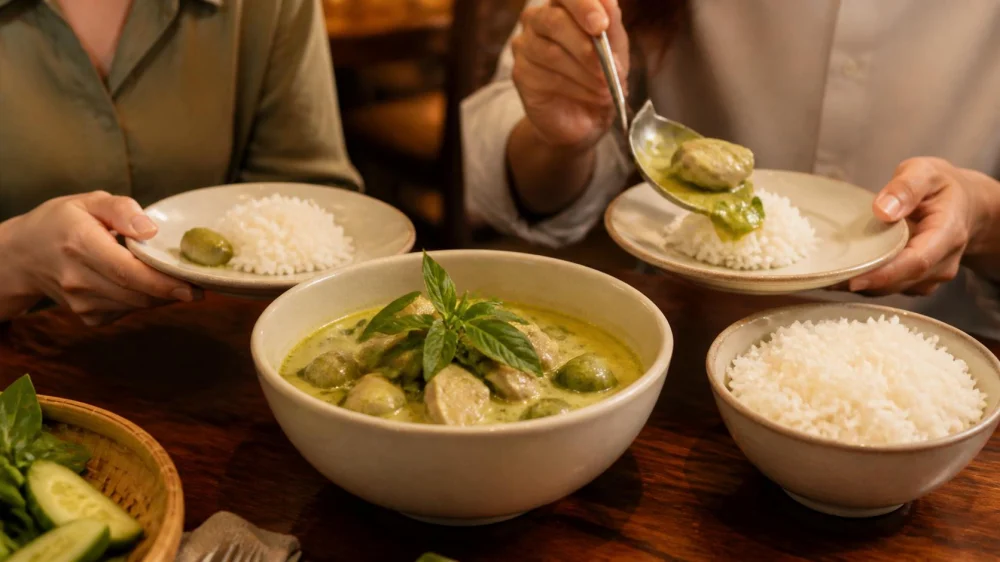
Thai Green Curry Guide: Coconut, Herbs, Heat, and Rice
On this page
Quick answer
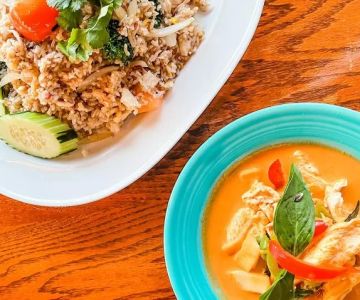
Thai green curry often combines a green chile and herb paste with coconut milk, protein or vegetables, aromatic leaves, fish sauce, sugar, and a separate portion of rice. Restaurant recipes and heat scales vary. Ask what the curry contains, whether the paste is made ahead, which changes are possible, how rice is priced, and what the kitchen can verify about seafood, soy, gluten, nuts, and shared preparation.

Why green color does not predict one exact flavor or heat
The curry's color and aroma can come from green chiles, herbs, leaves, and the restaurant's paste, while coconut milk changes body and perceived heat. Sweetness, salt, fish sauce, aromatics, vegetables, and protein shape the final balance. A pale bowl is not necessarily mild, and a menu's spice number may not match another restaurant's scale.
This guide is for United States diners ordering Thai green curry at a restaurant. It supports menu questions and portion planning, not a fixed recipe, authenticity score, allergy guarantee, nutrition calculation, or medical advice. Paste formulas, garnishes, proteins, heat scales, and rice portions vary by kitchen.

Practical checklist
- House name and style, curry-paste ingredients, coconut milk, broth, fish sauce, shrimp paste, soy sauce, sugar, herbs, leaves, and garnish.
- Protein or vegetable choice, tofu preparation, skin, bones, shellfish, egg, mushrooms, bamboo shoots, eggplant, peppers, and seasonal substitutions.
- Kitchen heat scale, chiles already in the paste, added fresh chile, whether heat can be reduced, and condiments served at the table.
- Coconut richness, broth amount, sweetness, salinity, herb intensity, portion volume, and whether the curry is intended for one diner or sharing.
- Jasmine rice, brown rice, sticky rice, noodles, or no starch; included amount, extra portions, separate price, and takeout packaging.
- Fish, shellfish, soy, wheat or gluten, peanut or tree nut, dairy, egg, sesame, and cross-contact through paste, stock, fryer, utensils, and wok station.
- Price by protein, rice charge, lunch or dinner size, service fees, leftovers, refrigeration timing, and reheating guidance from the restaurant.
Step-by-step plan
- Ask the restaurant to describe its green curry rather than assuming ingredients, sweetness, thickness, vegetables, or herb profile from the name.
- Choose a protein or vegetable combination and confirm whether tofu, seafood, or other components use shared oil, utensils, stock, or preparation surfaces.
- State allergies and dietary restrictions before ordering, then ask which paste and sauce ingredients are fixed and what the kitchen can safely modify.
- Select a heat level using the restaurant's current guidance and remember that reducing added chile may not remove heat already present in the paste.
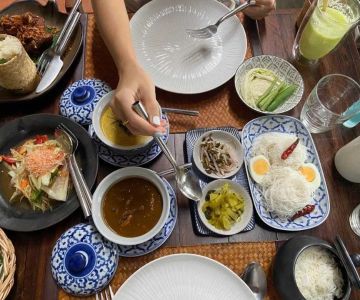
- Confirm curry and rice portion sizes, included starch, extra charges, and whether the table plans to share with other soups, salads, noodles, or curries.
- Taste the curry with rice before adding condiments, then adjust only with items the restaurant recommends so salt, sweetness, acid, and heat stay balanced.
- For takeout, keep rice and curry as packed, refrigerate leftovers promptly under current food-safety guidance, and reheat according to the restaurant's advice.
For a group order, note the curry style, protein and vegetables, heat level, paste or sauce restrictions, allergy discussion, cross-contact limits, rice type and quantity, price, serving size, condiments, takeout time, and which adjustments worked. Do not assume the same settings transfer to another restaurant.
Limits and important notes
A lower spice number may still contain chile, and removing visible garnish does not remove paste ingredients or cross-contact. Green curry is not automatically vegetarian, vegan, gluten-free, nut-free, or dairy-free. Coconut milk can resemble dairy cream but does not answer other allergen or dietary questions.
For a diagnosed food allergy, explain the allergen clearly and order only if the restaurant can support the needed precautions; otherwise choose another dish. Stop eating and follow the person's emergency plan for possible allergic symptoms, and seek emergency help for breathing difficulty, throat swelling, faintness, or another severe reaction.
Frequently asked questions
Is Thai green curry always very spicy?
No. Heat varies by paste, chiles, batch, and restaurant scale, but some heat may already be built into the prepared paste.
Is green curry vegetarian if I order tofu?
Not necessarily. Paste, stock, fish sauce, shrimp paste, and shared preparation may still involve animal or seafood ingredients. Ask the kitchen.
Does the curry come with rice?
Policies vary. Confirm rice type, included quantity, extra portions, and price before ordering.
Can the coconut milk be removed?
Usually it is central to the prepared curry, but recipes vary. Ask what the restaurant can change without promising the same dish.
What if the curry is hotter than expected?
Pause, eat it with the ordered rice if comfortable, avoid adding more chile, and ask the server what practical options the kitchen can offer.
Sources and evidence
Use the restaurant's current menu and staff for its exact paste, stock, sauces, allergens, heat scale, portion, price, and shared-equipment practices. For allergy decisions, follow the diner's clinician-provided plan and the kitchen's current verified information; a general curry description cannot certify a plate.
Conclusion and next steps
Ask about the paste, coconut base, sauces, protein, vegetables, fixed ingredients, heat scale, allergens, cross-contact, rice, and portion before ordering. Taste with rice before adjusting condiments, share according to the table's plan, and handle leftovers promptly using current restaurant and food-safety guidance.

 Thai Aroy Dee4.0 (165 reviews)
 Thai Noodle House2.0 (34 reviews)
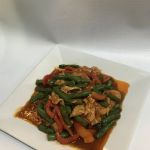 Boom Thai Restaurant4.0 (347 reviews)
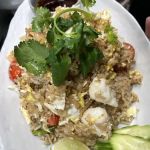 Senn Thai Comfort Food4.0 (565 reviews)
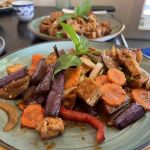 Wyckoff Thai Cuisine4.0 (597 reviews)
 Viman Thai Cuisine4.0 (408 reviews)
 Thai Dessert Ordering Guide: Texture and Sweetness
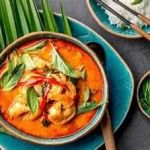 The Best Thai Food for Meal Prep: Curries, Stir Fries, and Salads That Keep Well
 Thai Seafood Salad Yum Talay: Ask About Seafood, Heat, and Herbs
 How to Host a Thai Food Tasting Party at Home
 How to Make Thai Food That’s Great With Leftovers & Fridge Staples
 How to Make Thai Food That’s Low-Fat Without Losing the Taste