Thai Restaurant Takeout: Keep Each Dish at Its Best
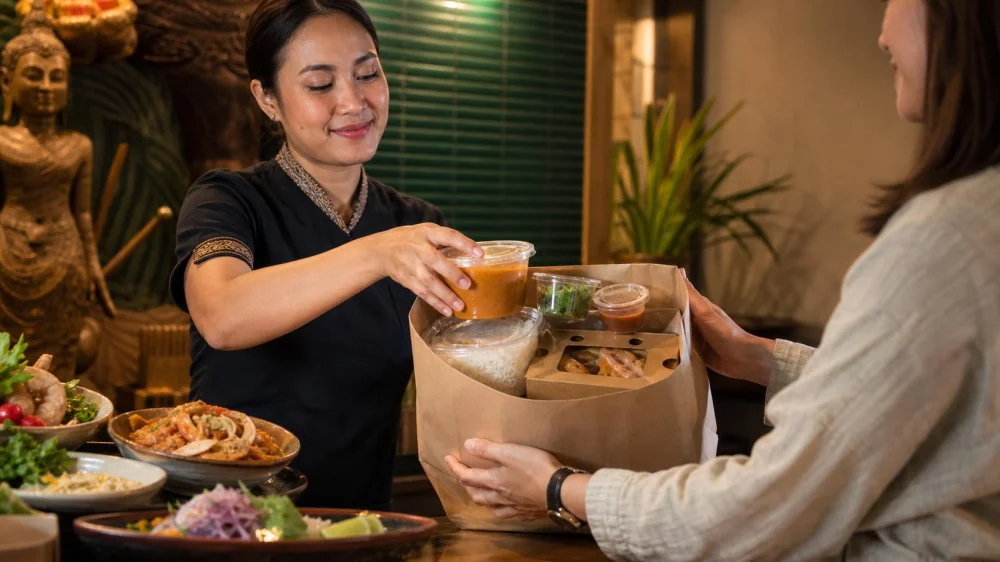
Good Thai takeout begins before pickup. Choose dishes that suit the travel time, ask for crisp items, sauces, herbs, and garnishes to be separated when practical, and arrive when the order is ready. Check containers without opening them in an unsafe place, keep hot and cold foods apart, travel directly home, and refrigerate perishables promptly. Packaging cannot preserve every restaurant texture, but a deliberate order prevents avoidable sogginess, spills, and confusion.
In this guide
Choose for the Trip
Tell the restaurant how long the food will travel and ask which dishes hold well. Curries, braises, rice, and many stir-fries may travel differently from fried appetizers, delicate herbs, raw garnishes, or ice-based drinks. A long route and multiple delivery stops can change texture and temperature.
Order portions you can serve or store safely. For a group, label dietary and allergy orders by diner's name and confirm cross-contact questions directly with the restaurant; separate packaging is helpful but does not guarantee allergen control.
Think about the serving location too. A hotel room, office, park, and home kitchen offer different access to plates, refrigeration, reheating, and cleanup. Request essential utensils and napkins, but bring reusable serving tools when practical. Never assume a destination will have safe heating equipment.
Thai House Restaurant
Saint Albans CityFranklin CountyVermont
544 Highgate Cmns Rd, St Albans City, VT 05478, USA
Request Useful Separation
Ask whether fried foods can be vented and packed apart from wet sauces. Request fresh herbs, crushed nuts, chile, lime, and other finishing items separately when the restaurant can accommodate it. Noodles may benefit from broth or sauce separation on a longer trip.
Do not demand unsafe or impractical packaging. Some dishes are designed to finish together, and excessive small containers create waste and can increase errors. Let the restaurant recommend what works for its recipe.
Coordinate Pickup Timing
Place the order with a realistic arrival time and monitor restaurant messages. Arriving very late leaves hot food cooling and crisp food steaming in its package. Arriving too early can pressure the kitchen or leave you waiting while other dishes lose temperature.
For a large order, confirm the final count and pickup name in advance. Ask where to park and collect it so food is not carried through traffic unnecessarily. Do not leave the order in a parked vehicle while completing errands.
Check the Order Safely
At pickup, compare the receipt, container count, drinks, and separately packed items. Check lids for obvious gaps, crushed boxes, or leaks. Ask staff to correct packaging rather than opening hot soup over your lap or repacking food with unclean hands.
Keep allergy or dietary meals identifiable. If labels are unclear, ask staff to confirm which package is which. Do not taste dishes to sort them out. Preserve the receipt until everyone has received the correct meal.
Transport Hot, Cold, and Liquid Foods
Keep containers upright in a stable crate or insulated carrier. Place soups and curries where sudden braking will not tip them, and avoid stacking heavy items on delicate boxes. Separate cold desserts and drinks from hot meals when possible.
Drive normally and do not handle food while moving. Food-safety time limits depend on temperature and conditions; follow current public-health guidance. When travel will be lengthy, ask the restaurant whether the order is appropriate and use suitable insulated equipment.
Reassemble and Serve
Wash hands and set out clean serving utensils. Open hot containers away from the face because steam can burn. Add broth, sauce, herbs, lime, chile, or crunchy toppings at the table in the sequence the restaurant recommends.
Use separate utensils for each dish, especially where allergies are involved. Taste before adding chile or fish sauce; seasoning can be increased, but an over-seasoned shared dish is hard to reverse. Serve smaller amounts first and keep remaining food protected.
Handle Leftovers Promptly
Refrigerate perishable leftovers promptly in shallow, covered containers according to current food-safety guidance. Do not rely on smell or appearance to decide that food left out too long is safe. Mark the date and keep garnishes or crisp components separate where useful.
Reheat leftovers to the safe temperature recommended by public-health authorities, stirring liquids and checking cold spots. Reheat only what you plan to eat. Texture may change: use an oven or air fryer only for foods and packaging suited to it, and transfer food out of containers not labeled for heating.
Takeout Checklist
- Travel time shared with the restaurant
- Crisp, wet, cold, and garnish components separated when useful
- Pickup time and order name confirmed
- Container count, lids, drinks, and dietary orders checked
- Liquids kept upright and hot and cold foods separated
- Food transported directly and served with clean utensils
- Perishable leftovers refrigerated promptly
- Reheating follows current food-safety guidance
Frequently Asked Questions
Should curry and rice be packed separately?
Usually that preserves rice texture, but follow the restaurant's normal packaging and your preference. Combine only when ready to eat.
How can fried appetizers stay crisp?
Shorten travel time, keep wet sauce separate, and use packaging the restaurant considers appropriate. Trapping steam is the main texture challenge, but never alter packaging in a way that causes spills.
Can takeout containers go in the microwave?
Only if the container is explicitly suitable. When uncertain, move food to microwave-safe cookware and remove foil or metal.
What about delivery?
Choose a realistic radius, track arrival, receive food promptly, and report damaged seals or major delays through the restaurant or platform. Confirm allergy needs with the restaurant, not only an app note.
How long are leftovers safe?
Follow current USDA or local public-health guidance for the specific food, temperature, and storage. When time or handling is uncertain, discard it.
Thai takeout travels best when the order, packaging, timing, and serving plan work together. Restaurant methods and food-safety requirements vary, so ask the kitchen about its dishes and follow current public-health guidance rather than treating texture tips as safety rules.
 Lanna Thai Diner4.0 (547 reviews)
 Gao Thai Kitchen4.0 (599 reviews)
 Kay Thai Eatery4.0 (45 reviews)
 SAMYAN Thai Market4.0 (5 reviews)
 Vong's Thai Cuisine4.0 (514 reviews)
 Pho &Thai Westborough4.0 (132 reviews)
 Stir-Frying the Thai Way: Tips from a Pro Chef
 Thai Food in the Midwest: Hidden Gems Worth the Road Trip
 How to Make Thai Food Perfect for Meal Prep
 Thai Satay: Choose Skewers, Marinade, and Dipping Sauce
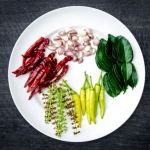 How to Store and Preserve Thai Spices and Herbs at Home
 The Best Thai Food Recipes for Vegans Who Miss Bold Flavors