
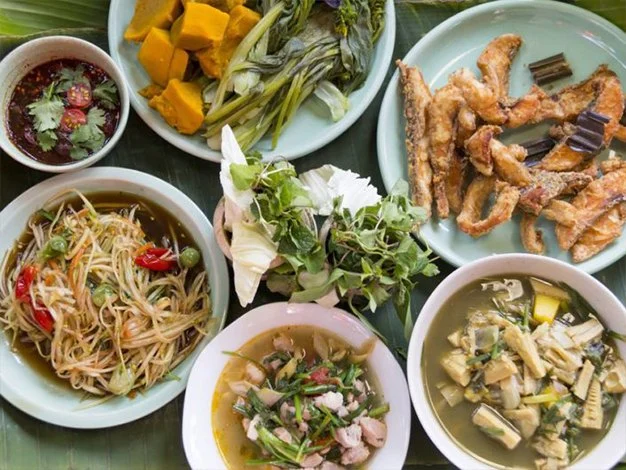
Early Origins of Thai Food and Geography
The history of Thai food begins with geography. Thailand’s fertile river plains, tropical climate, and long coastlines shaped how people cooked and ate long before written records existed. Early Thai cuisine was built around rice, freshwater fish, herbs, and vegetables that were readily available in local environments.
Instead of heavy sauces or long preservation methods, early Thai cooking focused on freshness. Meals were designed to be eaten soon after preparation, highlighting natural flavors. This foundation explains why balance and freshness remain central to Thai cuisine today.
Spicy Shallot 2 Thai Restaurant
MamaroneckWestchester CountyNew York
1208 W Boston Post Rd, Mamaroneck, NY 10543, USA
Foreign Influences That Shaped Thai Cuisine
Thai cuisine did not develop in isolation. Trade routes and migration brought new ingredients and techniques that gradually became part of Thai food culture. These influences were adapted rather than copied, creating something uniquely Thai.
1. Chinese Cooking Techniques
Chinese immigrants introduced stir-frying, noodles, and soy-based seasonings. Over time, Thai cooks blended these techniques with local herbs and spices, leading to dishes that feel both familiar and distinct.
2. Indian and Middle Eastern Spices
Spices such as cumin, coriander, and cardamom arrived through trade and helped shape early curry pastes. These spices were combined with local ingredients, giving Thai curries their layered complexity.
3. European Ingredients and Changes
Chilies, now essential to Thai food, were introduced by Portuguese traders. This single ingredient transformed Thai cuisine, adding the heat that many people now associate with Thai dishes.
Royal Cuisine and Refined Thai Cooking
One of the most important chapters in the evolution of Thai food is the development of royal cuisine. In royal kitchens, cooking became more refined, with careful attention to presentation, balance, and technique.
Dishes served to royalty were often more elaborate, featuring delicate carvings and precise seasoning. Many classic Thai recipes passed down today were preserved through royal traditions, influencing how Thai food is taught and respected.
Regional Development of Thai Food Styles
As Thai cuisine evolved, regional identities became more defined. Geography, climate, and local resources led to distinct styles across different parts of the country.
1. Northern Thai Cuisine
Northern Thai food tends to be milder and relies more on herbs than coconut milk. Sticky rice and slow-cooked dishes reflect the region’s cooler climate and agricultural traditions.
2. Northeastern Thai Cuisine
The northeast developed bold, spicy flavors with a focus on grilled meats and fermented ingredients. This style emphasizes intensity and freshness, influencing popular modern dishes.
3. Southern and Central Thai Cuisine
Southern dishes are known for heat and richness, while central Thai cuisine reflects royal influences and balance. Together, these regions shaped what many people recognize as classic Thai food.
Modern Thai Food and Global Popularity
In the modern era, Thai food has become one of the most recognized cuisines worldwide. Migration, tourism, and media introduced Thai dishes to international audiences, especially in the U.S.
Chefs began adapting traditional recipes for global tastes while maintaining core flavor principles. This adaptability helped Thai cuisine grow without losing its identity, making it both approachable and authentic.
Learning and Experiencing Thai Food Today
Understanding the history of Thai food adds depth to every dish. Knowing how Thai cuisine evolved through time helps home cooks and diners appreciate the balance, technique, and cultural meaning behind each flavor.
Many people explore Thai Food to learn more about authentic ingredients, traditional methods, and modern interpretations. This connection between past and present keeps Thai cuisine vibrant and relevant.
Thai food continues to evolve, just as it always has, shaped by culture, creativity, and the everyday lives of people who cook and enjoy it.
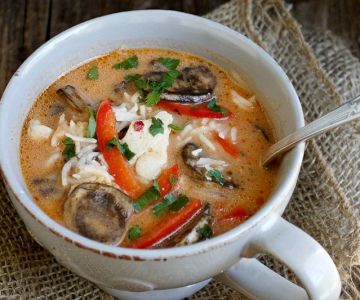
 La Miette La Mai Thai Bistro4.0 (557 reviews)
 Thai Taste4.0 (42 reviews)
 Yum Yum Too4.0 (1055 reviews)
 Long Kin Thai Kitchen & Bar5.0 (69 reviews)
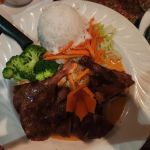 White Elephant Restaurant4.0 (580 reviews)
 Thai Avenue Restaurant4.0 (491 reviews)
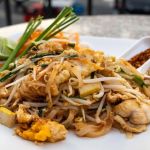 How to Make Thai Food That’s Perfect for a Sunday Meal Prep
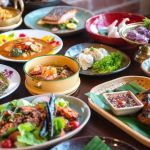 Thai Food for Holiday Leftovers: Reimagining Thai Dishes
 Thai Food for Date Night In: Candlelight + Curry for the Perfect Evening
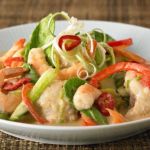 How to Make Southern Thai Seafood Dishes at Home
 How to Make Thai Food That’s Refreshing for Hot Summer Nights
 The Best Thai Food Podcasts & YouTube Channels to Learn From