
Understanding the Fresh vs Dried Herb Question in Thai Cooking
Thai food ingredient discussions often come back to one central question: fresh vs dried Thai herbs. For home cooks in the United States, this choice can feel confusing, especially when recipes call for ingredients that are not always easy to find locally. Some people assume dried herbs are just a weaker substitute, while others rely on them for convenience. The truth sits somewhere in between.
Thai cuisine relies heavily on aroma, balance, and timing. Herbs are not just background seasoning; they shape the entire character of a dish. Understanding how fresh and dried Thai herbs behave differently helps you cook with intention instead of guessing.

Why Herbs Play a Central Role in Thai Food
In Thai cooking, herbs are often layered throughout the cooking process rather than added only at the end. Fresh herbs like basil, cilantro, and kaffir lime leaves bring brightness, while roots and stems add depth. This approach creates complex flavors without heavy sauces.
Many Thai chefs describe herbs as the soul of the dish. Without them, food may still taste good, but it loses its unmistakable Thai identity. This is why the fresh vs dried Thai herbs debate matters more here than in cuisines that rely primarily on spices or long-cooked sauces.
What Fresh Thai Herbs Bring to the Table
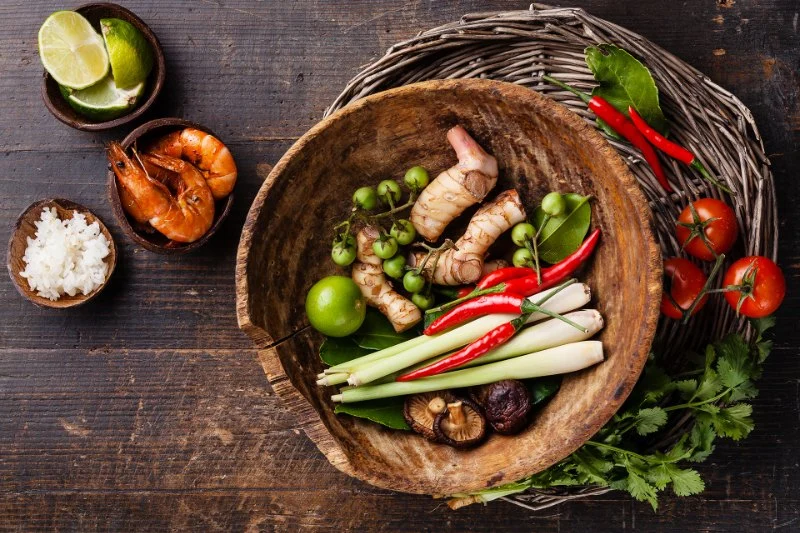
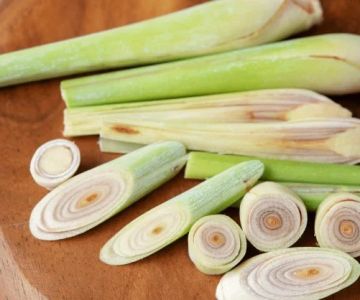
Fresh Thai herbs are known for their vibrant aroma and lively flavor. Ingredients like Thai basil, lemongrass, galangal, and fresh kaffir lime leaves release essential oils when chopped or bruised, filling the kitchen with fragrance even before the dish is finished.
Fresh herbs are especially important in dishes that rely on quick cooking or finishing touches. Stir-fries, curries, and soups often depend on the immediate impact of fresh herbs to feel complete. In many Thai restaurants, chefs add herbs at the last moment to preserve their brightness.
The downside for US home cooks is availability and shelf life. Fresh Thai herbs can be harder to find outside major cities and may spoil quickly if not stored properly. This is where dried herbs often enter the conversation.
How Dried Thai Herbs Compare in Real Kitchens
Dried Thai herbs offer convenience and consistency. They last longer, are easier to store, and are more widely available. For many home cooks, dried lemongrass or dried kaffir lime leaves are the only realistic option.
However, drying changes flavor. Some herbs lose their high, citrusy notes and become more earthy or muted. This does not mean dried herbs are useless, but they behave differently. They often work better in slow-cooked dishes where there is time to rehydrate and release flavor.
Experienced cooks sometimes adjust quantity and timing when using dried herbs. Adding them earlier in the cooking process allows flavors to bloom more fully, helping compensate for the loss of freshness.
Lessons From Real Thai Cooking Experiences
Many Thai restaurant owners in the US have shared stories about adapting recipes based on ingredient availability. One chef mentioned that during supply shortages, switching to dried herbs required careful tweaking to maintain balance. The dish still worked, but the cooking order had to change.
Home cooks often report similar experiences. A curry made with dried herbs may taste flat if prepared the same way as one using fresh ingredients. Once cooks learn to bloom dried herbs in oil or broth earlier, results improve dramatically. These stories highlight that success is less about choosing sides and more about understanding technique.
Choosing Between Fresh and Dried Without Overthinking
The best approach to fresh vs dried Thai herbs is situational. If the herb is central to the dish’s aroma and added at the end, fresh is usually worth the effort. If the herb plays a supporting role or the dish simmers for a long time, dried can work surprisingly well.
A practical mindset helps. Use fresh when you can, dried when you must, and adjust technique rather than expecting identical results. Thai cooking has always been adaptive, shaped by local conditions and available ingredients.
Finding Better Ingredients and Cooking With Confidence
For anyone serious about Thai food, access to quality ingredients makes learning far more enjoyable. Reliable sources help reduce trial and error, especially when exploring unfamiliar herbs. Platforms like Thai Food make it easier to discover suitable ingredients, products, and recommendations tailored to authentic Thai cooking.
Understanding the differences between fresh and dried Thai herbs empowers you to cook with confidence. Instead of worrying about perfection, you begin to focus on balance, aroma, and intention. With the right knowledge and ingredients, authentic Thai flavors become achievable, even far from Thailand.
 La Miette La Mai Thai Bistro4.0 (557 reviews)
 Thai Taste4.0 (42 reviews)
 Yum Yum Too4.0 (1055 reviews)
 Long Kin Thai Kitchen & Bar5.0 (69 reviews)
 White Elephant Restaurant4.0 (580 reviews)
 Thai Avenue Restaurant4.0 (491 reviews)
 How to Make Thai Food That’s Perfect for a Sunday Meal Prep
 Thai Food for Holiday Leftovers: Reimagining Thai Dishes
 Thai Food for Date Night In: Candlelight + Curry for the Perfect Evening
 How to Make Southern Thai Seafood Dishes at Home
 How to Make Thai Food That’s Refreshing for Hot Summer Nights
 The Best Thai Food Podcasts & YouTube Channels to Learn From