
- 1-Understanding-Pad-See-Ew
- 2-Essential-Ingredients-for-Authentic-Flavor
- 3-Preparing-Your-Kitchen
- 4-Step-by-Step-Cooking-Guide
- 5-Tips-for-Perfect-Noodles-and-Sauce
- 6-Customizing-Your-Pad-See-Ew
- 7-Common-Mistakes-to-Avoid
- 8-Serving-and-Pairing-Ideas
- 9-Enhancing-Your-Thai-Cooking-Skills
- 10-Resources-and-Recommendations
1. Understanding Pad See Ew
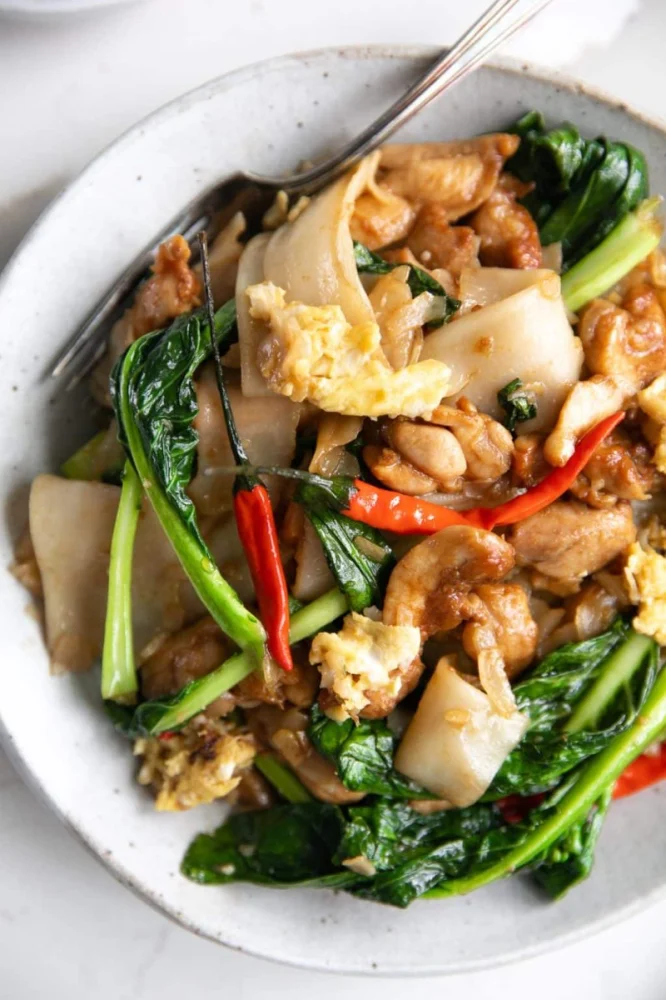
Pad See Ew is a beloved Thai street-food dish characterized by its wide rice noodles stir-fried with soy sauce, vegetables, and your choice of protein. Originating from street vendors in Thailand, it’s known for its smoky flavor and slightly caramelized sauce that clings to the noodles.
1.1 Origins and Popularity
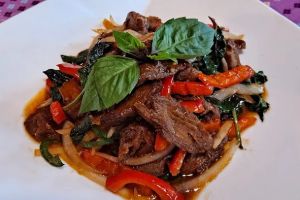
This dish is a staple in Thai night markets, often served quickly over high heat, giving it the signature aroma and texture that street-food enthusiasts adore.
1.2 What Makes It Unique
The combination of sweet soy sauce, savory seasonings, and chewy rice noodles creates a balance of flavors that sets Pad See Ew apart from other Thai noodle dishes like Pad Thai or Drunken Noodles.
2. Essential Ingredients for Authentic Flavor
Creating the perfect Pad See Ew at home requires attention to key ingredients that give the dish its authentic taste.
2.1 Noodles
Use wide rice noodles, ideally fresh. If unavailable, dried noodles can work but require proper soaking to achieve the right texture.
2.2 Proteins and Vegetables
Common choices include chicken, beef, pork, or tofu. Vegetables like Chinese broccoli or kale add both crunch and color.
2.3 Sauces and Seasonings
Dark soy sauce, light soy sauce, oyster sauce, and a pinch of sugar are essential to replicate the signature sweet-salty flavor.
3. Preparing Your Kitchen
Having the right setup ensures your stir-fry cooks evenly and efficiently.
3.1 Equipment
A wok or large skillet is ideal for high-heat stir-frying. A spatula and a medium-sized bowl for mixing ingredients will help streamline the cooking process.
3.2 Mise en Place
Prepare all ingredients beforehand: slice proteins thinly, chop vegetables, and measure sauces. Pad See Ew cooks quickly, and having everything ready is crucial.
4. Step-by-Step Cooking Guide
Follow these steps to recreate Thai street-style Pad See Ew at home.
4.1 Heating the Wok
Preheat your wok on high heat until it begins to smoke lightly. This step imparts the classic wok hei flavor.
4.2 Stir-Frying Proteins
Add protein first and cook until nearly done. Remove and set aside to prevent overcooking.
4.3 Cooking Vegetables
Add vegetables with a touch of oil. Stir-fry quickly to maintain their crispness.
4.4 Adding Noodles and Sauces
Add pre-soaked noodles, sauces, and a little water if necessary. Stir-fry while pressing noodles lightly for caramelization.
4.5 Combining Ingredients
Return protein to the wok, toss all ingredients thoroughly, and finish with a final drizzle of soy sauce for depth.
5. Tips for Perfect Noodles and Sauce
Achieving restaurant-quality Pad See Ew involves attention to noodle texture and sauce balance.
5.1 Avoiding Clumping
Use oil to lightly coat noodles before cooking to prevent sticking. Stir constantly over high heat.
5.2 Caramelization Technique
Pressing noodles against the wok allows slight browning, enhancing flavor. Don’t overdo; balance caramelization and tenderness.
6. Customizing Your Pad See Ew
Personalize the dish according to taste or dietary preferences.
6.1 Vegetarian Options
Replace meat with tofu or tempeh, and adjust sauces accordingly.
6.2 Spicy Variations
Add chili flakes or fresh chilies during stir-fry for a spicier street-style experience.
7. Common Mistakes to Avoid
Even small errors can affect the final dish.
7.1 Overcooking Noodles
Soft, mushy noodles ruin the texture. Cook just until tender but still slightly firm.
7.2 Skipping High Heat
Cooking over low heat prevents proper caramelization and diminishes the authentic flavor.
8. Serving and Pairing Ideas
Presentation and pairing enhance your homemade Pad See Ew experience.
8.1 Garnishes
Fresh lime wedges and chopped chilies elevate the dish visually and flavor-wise.
8.2 Beverages
Pair with Thai iced tea or a light beer for a complete street-food experience.
9. Enhancing Your Thai Cooking Skills
Practice and understanding of Thai flavor profiles help elevate your dishes over time.
9.1 Learn to Balance Sweet, Salty, and Umami
Adjust sauces gradually and taste as you go to achieve a balanced Pad See Ew.
9.2 Experiment with Ingredients
Try seasonal vegetables or different proteins to refine your recipe and suit your taste.
10. Resources and Recommendations
For more Thai recipes, culinary tips, and product recommendations, Thai Food offers curated guides and resources to help recreate authentic Thai street-style dishes at home.
 Coco Thai Bistro4.0 (363 reviews)
 Vohn's Restaurant4.0 (562 reviews)
 Lotus Thai Cuisine4.0 (516 reviews)
 Thai Chili 884.0 (232 reviews)
 Bangkok Cuisine - Falmouth4.0 (141 reviews)
 Little Thai Kitchen4.0 (461 reviews)
 Thai Food Ingredient Guide: Discover What Makes Thai Garlic Special
 How to Make Thai Papaya Salad (Som Tum) at Home: A Deliciously Spicy and Refreshing Dish
 Thai Food for Singles: How to Enjoy Thai Cuisine Without Cooking for a Crowd
 How to Make Thai Food That’s Refreshing for Hot Summer Nights
 Thai Food Ingredient Guide: How to Store Thai Fresh Herbs & Spices at Home
 Thai Food Ingredient Spotlight: Holy Basil vs Sweet Basil — What’s the Difference?