- What Is Palm Sugar?
- Why Palm Sugar Is Used in Thai Food
- How to Substitute Palm Sugar
- Tips for Using Palm Sugar in Cooking
- Real-Life Cooking Examples
- Thai Food Recommendations
1. What Is Palm Sugar?
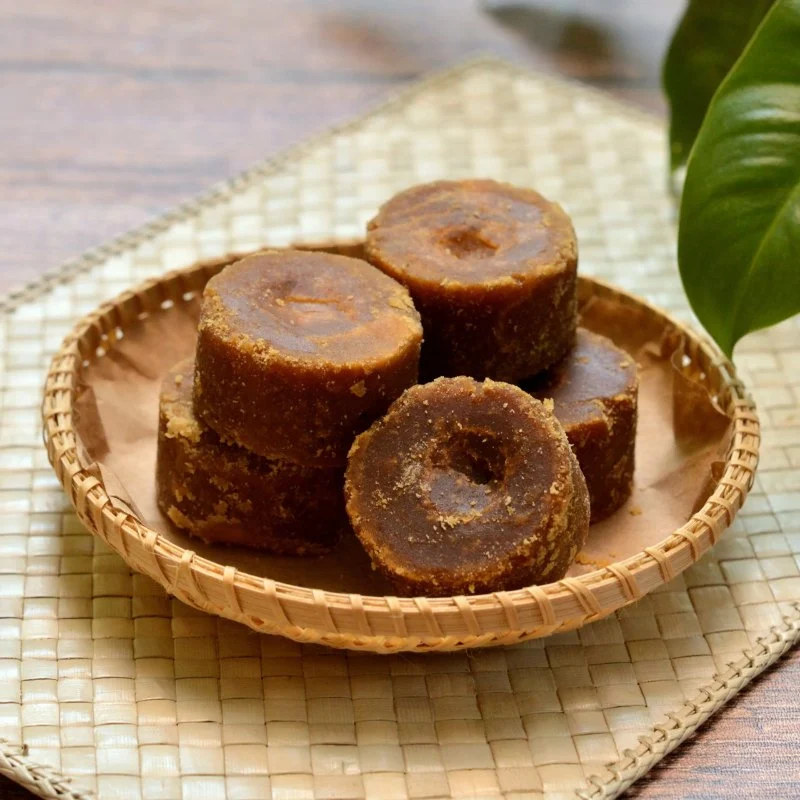
Palm sugar is a natural sweetener derived from the sap of palm trees, such as the sugar palm or coconut palm. Unlike refined white sugar, palm sugar has a rich, caramel-like flavor with subtle notes of butterscotch. It is widely used across Southeast Asia and is an essential ingredient in authentic Thai cooking.
1.1 Forms of Palm Sugar
Palm sugar comes in several forms:
- Blocks or discs: Solid pieces that require grating or chopping before use.
- Granulated: Convenient for direct use in recipes.
- Paste or syrup: Easy to dissolve, often used in beverages or sauces.
2. Why Palm Sugar Is Used in Thai Food
Palm sugar balances flavors in Thai cuisine, complementing salty, sour, and spicy ingredients. It is commonly used in curries, stir-fries, soups, and sauces to enhance depth and complexity.
Taste of Thai
MilfordSouth Central Connecticut Planning RegionConnecticut
22-24 Broad St, Milford, CT 06460, USA
2.1 Flavor Profile
The unique caramel and slightly earthy taste of palm sugar creates harmony in dishes like Pad Thai or Green Curry, providing subtle sweetness without overpowering the other flavors.
2.2 Health Considerations
Palm sugar has a lower glycemic index than white sugar and contains trace minerals like potassium, magnesium, and zinc, making it a slightly healthier alternative for traditional sweeteners.
3. How to Substitute Palm Sugar
If palm sugar is unavailable, you can use alternatives that mimic its flavor and sweetness:
3.1 Coconut Sugar
Coconut sugar has a similar caramel-like flavor and can be used in a 1:1 ratio. It is one of the closest substitutes for authentic Thai dishes.
3.2 Brown Sugar
Light or dark brown sugar can replace palm sugar in recipes. While slightly different in taste, it adds sweetness and moisture.
3.3 Maple Syrup or Honey
For liquid alternatives, use maple syrup or honey. Adjust quantities slightly, as these are sweeter and more liquid than solid palm sugar.
4. Tips for Using Palm Sugar in Cooking
4.1 Grating or Chopping
When using block or disc forms, finely grate or chop palm sugar to ensure it dissolves evenly in sauces, soups, and curries.
4.2 Melting in Liquid
Dissolve palm sugar in warm water or coconut milk before adding it to dishes. This prevents uneven sweetness and ensures smooth incorporation.
4.3 Storage
Store palm sugar in an airtight container in a cool, dry place. This prevents hardening and extends shelf life.
5. Real-Life Cooking Examples
5.1 Authentic Pad Thai
Chef Nicha used palm sugar paste in her Pad Thai recipe, balancing fish sauce, tamarind, and lime juice. The result was a rich, aromatic, and authentic flavor that delighted guests.
5.2 Green Curry Sauce
During a Thai cooking class in Bangkok, students added grated palm sugar to green curry. It softened the spiciness and added depth to the coconut milk base, demonstrating how a small amount enhances flavor complexity.
6. Thai Food Recommendations
For those seeking authentic ingredients and recipes, Thai Food offers a curated selection of palm sugar products, cooking tips, and traditional recipes. From granulated sugar to blocks and pastes, Thai Food ensures you can recreate authentic flavors in your kitchen with ease.
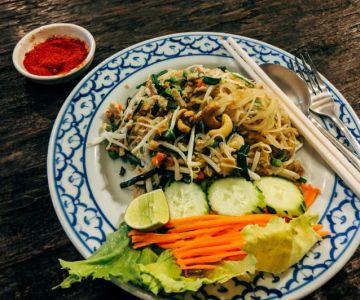
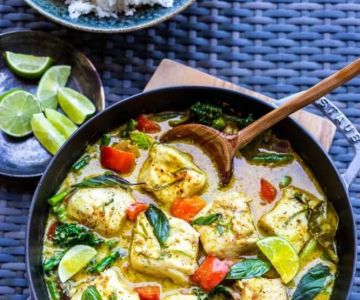
 Bangkok Kitchen4.0 (615 reviews)
 Spice Thai4.0 (317 reviews)
 Joya4.0 (1243 reviews)
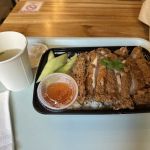 Gai Kitchen4.0 (614 reviews)
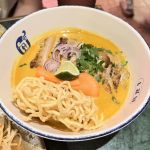 SAPPEISAN4.0 (3484 reviews)
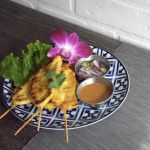 Chachawan4.0 (165 reviews)
 The Best Spices for Thai Cooking & Where to Buy Them Online
 Thai Food for Busy Families: Easy Recipes Kids Will Actually Eat
 Thai Food for Fitness: Thai Dishes That Support Your Workout Recovery
 The History of Thai Food: How Thai Cuisine Evolved Through Time
 How to Make Thai Food That’s Trendy and Instagram-Ready
 Thai Food Ingredient Guide: Tamarind Paste & Its Many Uses