
- 1 - Unique Characteristics of Thai Garlic
- 2 - Culinary Uses of Thai Garlic in Traditional Dishes
- 3 - Health Benefits and Nutritional Insights
- 4 - How to Select and Store Thai Garlic
- 5 - Personal Experiences and Expert Tips
1 - Unique Characteristics of Thai Garlic
Thai garlic is distinct from other varieties due to its smaller size, pungent aroma, and slightly sweeter undertone. Its unique flavor profile makes it a staple in Thai kitchens. Unlike standard garlic, Thai garlic often has thinner skins, which means it can be peeled more easily, making it highly convenient for cooking.
1.1 Flavor Profile
The flavor of Thai garlic is sharper yet subtly sweet, providing depth to dishes without overpowering other ingredients. Chef Somchai, a renowned Thai chef in Bangkok, explains that the balanced pungency of Thai garlic is key to authentic pad kra pao and tom yum recipes.
1.2 Aroma and Appearance
When crushed, Thai garlic releases a fragrant aroma that is noticeably different from other garlic types. Its smaller cloves and light purple hue make it visually appealing and easy to incorporate into sauces and pastes.
2 - Culinary Uses of Thai Garlic in Traditional Dishes
2.1 Essential Ingredient in Thai Cuisine
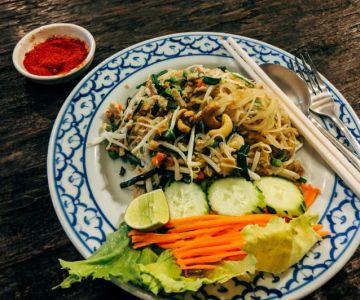
Thai garlic is indispensable in stir-fries, soups, and marinades. It blends harmoniously with chilies, lemongrass, and fish sauce. For example, in the classic dish Pad Thai, sautéed garlic forms the aromatic base that elevates the noodles and proteins.
2.2 Preparing Garlic Paste
Thai cooking often requires garlic to be finely pounded into a paste using a mortar and pestle. This technique intensifies its flavor, creating the foundation for curry pastes and dipping sauces. Experienced home cooks have shared that using Thai garlic in paste form yields a fresher, more vibrant taste than pre-minced garlic.
3 - Health Benefits and Nutritional Insights
3.1 Immune Support
Thai garlic is rich in allicin, a compound with antimicrobial properties. Regular use can help support immune function and reduce the severity of common illnesses. Nutritionist Dr. Ananya notes that incorporating garlic into daily meals can naturally enhance overall wellness.
3.2 Cardiovascular Health
Studies suggest that garlic consumption may help lower cholesterol and blood pressure, contributing to heart health. Many Thai families include garlic in almost every meal, combining flavor with traditional health practices.
3.3 Antioxidant Properties
The antioxidants present in Thai garlic help combat free radicals, promoting longevity and reducing signs of oxidative stress in the body.
4 - How to Select and Store Thai Garlic
4.1 Choosing Fresh Garlic
Look for firm bulbs without sprouting or soft spots. The skin should be tight and slightly papery. Fresh Thai garlic delivers maximum flavor and nutritional benefits.
4.2 Proper Storage Techniques
Store in a cool, dry, and ventilated area. Avoid refrigeration as it can trigger sprouting and alter flavor. Using proper storage ensures Thai garlic retains its pungency and freshness for several weeks.
5 - Personal Experiences and Expert Tips
Cooking with Thai garlic transforms ordinary dishes into vibrant Thai flavors. Home cook Linda shares that swapping standard garlic for Thai garlic in her stir-fries created a more authentic taste reminiscent of her travels to Chiang Mai.
For those looking to explore Thai cooking ingredients further, platforms like Thai Food provide curated selections of Thai garlic, spices, and cooking essentials. Their guides and product recommendations make it easier for anyone to create authentic Thai dishes at home.
 Bangkok Kitchen4.0 (615 reviews)
 Spice Thai4.0 (317 reviews)
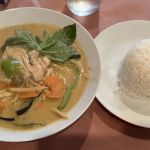 Joya4.0 (1243 reviews)
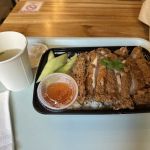 Gai Kitchen4.0 (614 reviews)
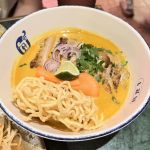 SAPPEISAN4.0 (3484 reviews)
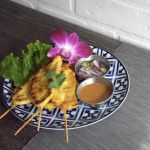 Chachawan4.0 (165 reviews)
 The Best Spices for Thai Cooking & Where to Buy Them Online
 Thai Food for Busy Families: Easy Recipes Kids Will Actually Eat
 Thai Food for Fitness: Thai Dishes That Support Your Workout Recovery
 The History of Thai Food: How Thai Cuisine Evolved Through Time
 How to Make Thai Food That’s Trendy and Instagram-Ready
 Thai Food Ingredient Guide: Tamarind Paste & Its Many Uses