Som Tam Ordering Guide: Style, Heat, Crunch, and Allergens
Table of contents
Quick answer
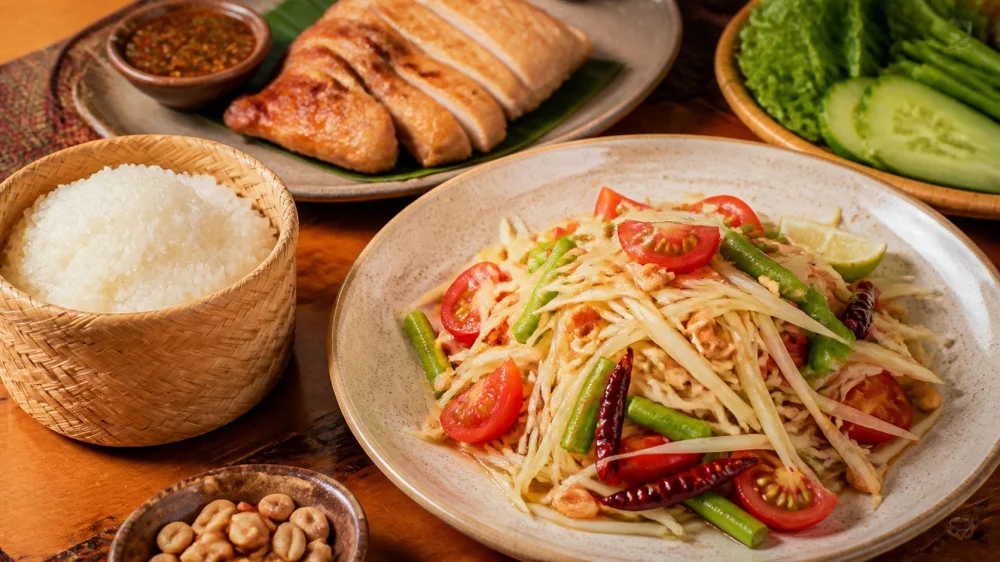
Order som tam by naming the restaurant's specific style, your comfortable chile level, and any ingredients you must avoid. The familiar Thai-style green papaya salad often balances lime, palm sugar, fish sauce, chiles, tomato, long bean, and peanuts, while Isan- or Lao-influenced versions may be saltier, more fermented, and built with different sauces or preserved seafood. Recipes vary, so ask rather than assuming. Pair it with sticky rice and a mild grilled dish to round out the meal.
What som tam is
Som tam is a pounded salad whose name points to its preparation: sour ingredients and other seasonings are worked together in a mortar. Shredded unripe papaya provides a crisp base in many versions. The cook pounds aromatics and dressing, then folds or lightly bruises the vegetables so they absorb flavor without becoming a puree.
The result is not simply a side salad with bottled dressing. Sweetness, acidity, salt, chile heat, savory depth, and fresh crunch are adjusted together. A good order begins with the restaurant's menu description because the same English label can refer to distinct regional preparations.
Compare common styles
Som tam Thai commonly leans toward a bright sweet-sour profile and may include fish sauce, dried shrimp, roasted peanuts, tomato, long beans, lime, and palm sugar. It is often the most familiar starting point in U.S. Thai restaurants, but ingredients are not universal.
Som tam pu may add salted or preserved crab. Som tam pla ra uses fermented fish seasoning and can be deeper, saltier, and more assertive. Isan- or Lao-style salads may use fermented fish, preserved crab, different vegetables, or less sweetness. Some menus offer cucumber, corn, fruit, or noodle variations rather than green papaya.
Do not treat one version as the single “authentic” form. Regional food traditions cross modern borders and change with local produce and household preference. Ask what the restaurant means by each name, especially if fermented seafood is new to you.
Choose texture and balance
Fresh green papaya should feel crisp and lightly juicy. The degree of pounding matters: a lighter hand preserves long crunchy strands, while more pounding integrates dressing and softens the vegetables. You can politely ask whether the kitchen can keep it extra crisp, but some restaurants prepare each style by a set method.
Sweet, sour, salty, and hot are linked. Asking for less sugar can make acidity and salt seem stronger; removing fish sauce changes savory depth and salt. If you prefer a tart salad, say so, but request adjustments modestly. Taste before adding table condiments, because the cook has already balanced the mortar.
Ask for a clear heat level
Chile counts are more concrete than labels such as “medium,” though chile size and strength still vary. Tell the server what you normally tolerate and ask how the restaurant calibrates heat. “One chile” or “very mild, please” may communicate better than a number on a generic scale.
Removing visible chile pieces after pounding will not remove their heat. If you are sensitive, request fewer chiles from the start. Sugar, sticky rice, and mild accompanying foods may soften the eating experience, but they do not make a highly spiced salad non-spicy. Heat preferences are personal; ordering mild is not a test of authenticity.
Check allergens and dietary needs
Potential allergens can include peanuts, dried shrimp or other crustacean shellfish, fish sauce, fermented fish, and preserved crab. A version without visible peanuts can still contain peanut residue from a shared mortar, pestle, spoon, or prep surface. Fish sauce is not vegetarian, and removing dried shrimp does not automatically remove fish or shellfish ingredients.
If you have a food allergy, name the allergen clearly and ask whether the staff can verify every sauce, garnish, and shared tool. The FDA distinguishes an ingredient from cross-contact—the unintended presence of an allergen from shared handling. If the restaurant cannot confirm ingredients or control cross-contact to the level you require, choose another dish or establishment. Do not rely on appearance or a “vegan-style” guess.
For a vegetarian or vegan order, ask about fish sauce, fermented fish, dried shrimp, crab, shrimp paste, and the dressing base. A kitchen may offer soy sauce or another alternative, but substitutions change flavor and may introduce soy or wheat. Confirm those too if relevant.
Build a balanced order
Sticky rice is a classic partner because its mild chew complements the sharp, juicy salad. Grilled chicken, grilled pork, fish, tofu, or mushrooms can provide a warm savory contrast, depending on dietary needs. A mild soup or vegetable dish can give the table a pause from chile heat.
For family-style dining, order one salad for the table and add dishes with different textures and intensity. Use a serving spoon rather than repeatedly dipping personal utensils into the shared plate. If allergies are involved, sharing may increase cross-contact risk; request separate portions and clean service utensils when the restaurant can accommodate them.
Handle takeout well
Som tam changes as it sits. Salt and acid draw moisture from the papaya, softening the strands and diluting the punch of the dressing. For a longer trip, ask whether dressing or peanuts can be packed separately, understanding that mortar preparation is part of the dish and complete separation may not be possible.
Refrigerate perishable takeout promptly and follow standard food-safety time limits. Keep allergen-specific meals closed and separate from other containers. When reheating accompanying proteins or rice, do not heat the salad unless the restaurant specifically designed that variation to be served warm.
Ordering checklist
- Ask which som tam styles the restaurant serves and what distinguishes them.
- Choose green papaya or another base and your preferred texture.
- State a concrete chile tolerance.
- Confirm fish sauce, fermented fish, crab, dried shrimp, peanuts, and shared mortar use.
- Request vegetarian or vegan substitutions explicitly.
- Pair with rice and a complementary protein or vegetable dish.
- For takeout, plan for softening and refrigerate promptly.
Limitations
Names, recipes, heat scales, portion sizes, and allergen practices vary by region and restaurant. This guide cannot certify a dish as allergen-free, vegetarian, vegan, or safe for a medical diet. Restaurant staff and the cook are the only sources for that kitchen's current ingredients and procedures. People with severe allergies should follow their clinician's emergency plan and carry prescribed medication.
Frequently asked questions
Is som tam always made with green papaya?
No. Green papaya is common, but restaurants may offer cucumber, corn, fruit, or noodle versions.
Is som tam vegetarian?
Not automatically. Fish sauce, dried shrimp, fermented fish, or preserved crab may be present. Ask about the complete dressing and shared tools.
What is the difference between Thai and pla ra styles?
Thai-style versions often emphasize a brighter sweet-sour balance, while pla ra versions use fermented fish seasoning for a more assertive savory profile. Individual recipes vary.
Can the kitchen make it not spicy?
Many kitchens can reduce or omit fresh chiles, though shared tools may retain some heat. Ask before preparation and describe your tolerance clearly.
Sources and evidence notes
Cultural context was checked against the Tourism Authority of Thailand's Mekong heritage material, which recognizes green papaya salad traditions across Thailand, Laos, and Isan. Allergen guidance follows the U.S. Food and Drug Administration's explanation of major allergens and cross-contact. Restaurant recipes remain the controlling source. Accessed August 10, 2026.
Conclusion
Som tam rewards a specific order. Choose the style, describe your chile comfort, ask how the kitchen balances and pounds it, and verify every ingredient that matters to your diet. With sticky rice and a complementary dish, its crisp, sour, savory, sweet, and hot character can anchor a memorable Thai meal.
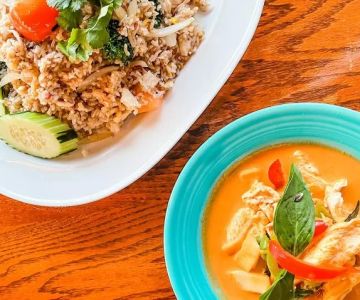

 Swaddee House of Thai Food4.0 (209 reviews)
 Thai Gourmet4.0 (199 reviews)
 Boran4.0 (483 reviews)
 Noa by September in Bangkok4.0 (433 reviews)
 Smile cafe Thai Restaurant4.0 (152 reviews)
 Rainbow Thai4.0 (234 reviews)
 Thai Food for Solo Cooks: Quick, Flavor-Packed Meals for One
 Tom Yum vs Tom Kha: A Thai Soup Ordering Guide
 How to Make Thai Food That’s Perfect for a Sunday Brunch
 How to Ask if a Thai Dish Is Truly Vegetarian
 Thai Food for Food Bloggers: How to Create Great Content Around Thai Recipes
 The Best Thai Food Podcasts & YouTube Channels to Learn From