Thai Omelet Kai Jeow: Crisp Edges, Soft Center, Rice, and Sauce
On this page
Quick answer
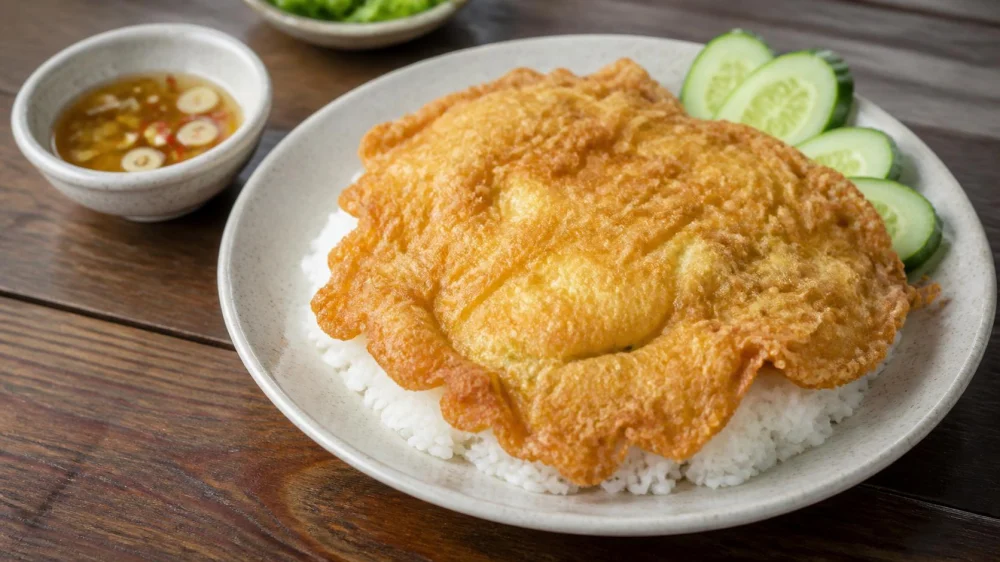
Kai jeow is a Thai-style omelet often fried quickly at high heat for puffed, browned edges and a tender center, then served over rice. Ask whether it is plain or includes pork, shrimp, vegetables, fish sauce, soy, or seasoning powder. Confirm egg, seafood, soy, wheat, and shared-oil concerns before ordering. Let the plate settle, portion with rice, add chile fish sauce gradually, and eat while the crisp edge is fresh.
Why it matters
The airy texture comes from vigorous mixing and hot oil, while seasoning and optional fillings change salt, allergens, doneness, and richness. Sauce can add substantial heat and sodium.
This United States dining guide is general. Recipes, egg doneness, filling, frying oil, allergens, sauce, serving temperature, and portion size vary by restaurant.

Practical checklist
- Ask whether the omelet is plain or filled and which seasonings are used.
- Disclose egg, fish, shellfish, soy, wheat, and other allergies and ask about shared oil.
- Choose rice type and portion.
- Confirm preferred chile level and request sauce on the side.
- Plan a vegetable or soup accompaniment for balance.
- Clear space for the hot plate.
- Decide whether leftovers are practical before over-ordering.
Step-by-step plan
- Order the omelet with the exact filling and seasoning adjustments the kitchen can reliably provide.
- Let the hot plate settle and check the center before dividing it.
- Use a serving utensil to place a modest portion over personal rice.
- Taste the egg and rice before adding prik nam pla or another salty spicy sauce.
- Add sauce by spoonful to a personal portion rather than pouring over the whole omelet.
- Keep allergy-sensitive portions and utensils separate during sharing.
- Refrigerate leftovers promptly and expect reheating to soften the crisp edge.
For allergy-sensitive or takeout orders, note ingredients, shared-oil discussion, sauce, order and service time, takeout time, refrigeration, reheating, and any symptoms.
Limits and warning signs
A browned exterior does not reveal all ingredients or confirm the center matches your preference. Removing visible shrimp or meat does not remove allergen exposure or shared-oil contact.
Tell staff immediately about an incorrect allergy-sensitive dish, visibly raw filling, off odor, or unsafe hot plate. Use emergency services for choking or a severe allergic reaction.
Frequently asked questions
Is kai jeow the same as a folded Western omelet?
Not usually. It is often puffier, more browned, and served flat over rice, but styles vary.
Does it always contain fish sauce?
Fish sauce is common but not universal; ask about the restaurant's seasoning.
Can I order it less oily?
You can ask, though the frying method helps create its characteristic edges and texture.
What sauce comes with it?
Prik nam pla, a chile fish sauce, is common; request it on the side and confirm ingredients.
Sources and evidence
The guide applies hot-oil, egg, allergy, shared-fryer, portion, and takeout principles: identify fillings and seasoning, separate sauce, serve with clean utensils, and refrigerate promptly.
Conclusion and next steps
Ask about fillings, seasoning, allergens, shared oil, rice, and sauce. Let the plate settle, serve a small portion over rice, taste first, then add side sauce gradually.

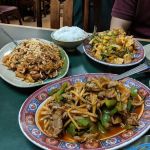 Four Seasons Thai Cuisine4.0 (914 reviews)
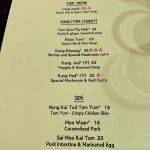 Hungry Thirsty4.0 (243 reviews)
 Thai Tai Eatery4.0 (119 reviews)
 Thai 101 Brooklyn4.0 (434 reviews)
 Hug Esan4.0 (304 reviews)
 South Side Thai Restaurant4.0 (397 reviews)
 Thai Food Ingredient Spotlight: Palm Sugar — Why It’s Better Than White Sugar
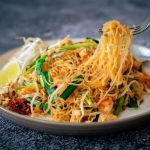 Thai Food Ingredient Guide: Thai Noodles — Rice, Glass, Egg, Which to Use & When
 Thai Food Near Me in Portland Food Cart and Restaurant Guide
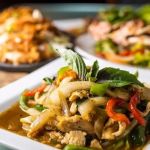 The Best Thai Food Restaurants in Milwaukee for True Thai Flavor
 The Best Thai Food Recipes for Date Night and Leftover Lunch
 How to Make Thai Food That’s Deep Flavor without High Cost