Pad Thai Guide: Choose Protein, Sweetness, Heat, and Crunch
Table of contents
Quick answer
Pad Thai is a stir-fried rice-noodle dish whose sauce, protein, egg, tofu, vegetables, and garnishes vary by restaurant. Ask which protein is standard, how sweet and spicy the house version is, whether peanuts and egg are included, and how large the portion is. Taste before adding lime, chile, sugar, or fish sauce, then mix garnishes gradually so the noodles stay balanced.

What to expect
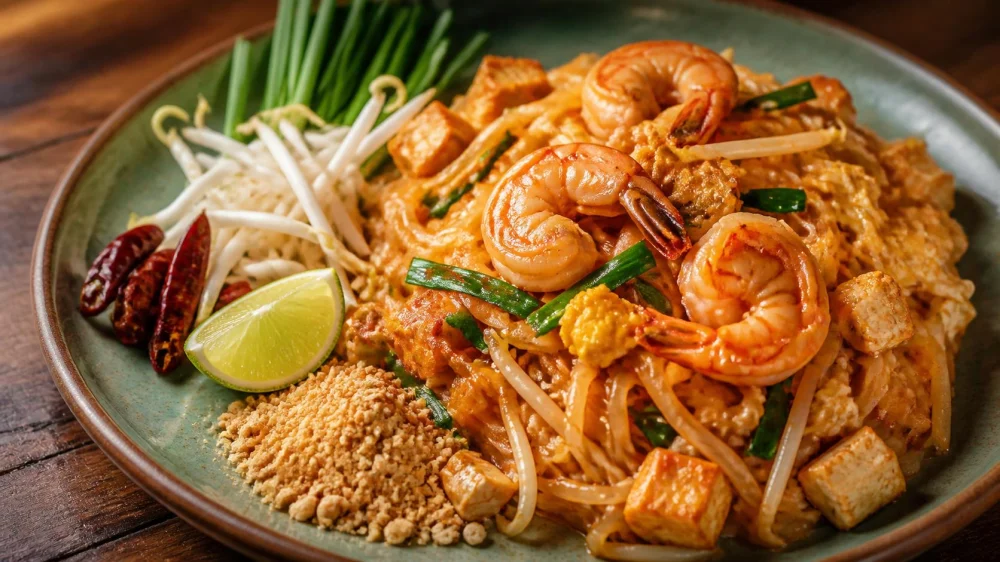
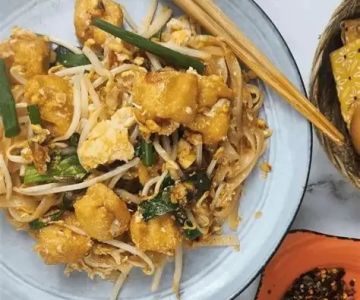
Many restaurant versions combine rice noodles with a sweet-sour-savory sauce, egg, tofu, bean sprouts, chives or scallions, and a protein such as shrimp, chicken, or pork. Crushed peanuts, lime, fresh sprouts, and chile may arrive alongside. The specific ingredients and proportions are not universal.
Noodle width, soak, wok heat, batch size, and sauce amount affect texture. Some plates are soft and saucy; others are drier with lightly charred edges. A very large takeout order may steam and soften more than a small plate eaten immediately.
Color is not a reliable guide to sweetness or authenticity. Sauces can include tamarind, sugar, fish sauce, soy, preserved ingredients, or restaurant blends. Ask how the kitchen describes its version instead of judging only by orange or brown tone.
Pad Thai may be served as a complete entrée or as one shared noodle dish among several plates. Check size before adding appetizers and rice.
Choose protein and noodles
Shrimp is common, but chicken, pork, beef, tofu, vegetables, or combinations may be offered. Premium seafood can change the price. Ask whether the protein is mixed through the dish or placed on top and whether the listed portion includes an upcharge.
A vegetarian label requires confirmation. Sauce may include fish sauce, dried shrimp, oyster sauce, or another animal ingredient. Egg may remain even when meat is removed. Vegan preparation can require changes to sauce, egg, and shared equipment.
Rice noodles do not guarantee a gluten-free plate. Soy sauces, seasonings, fried garnishes, and shared wok or prep surfaces may contain or contact wheat. Guests with allergies or medically required diets should ask the restaurant to verify the complete current preparation.
If you prefer firmer noodles, say so before ordering, but understand that the kitchen's stir-fry process and takeout time set limits. Asking for sauce on the side may not work because sauce is cooked into the noodles.
Balance the flavors
Pad Thai is often built around contrast: tangy tamarind or acid, sweetness, salt, savory protein, and chile. Restaurants balance these differently. Ask whether the standard dish is already spicy; some arrive mild with chile offered at the table.
Taste two or three bites after gently mixing the plate. A pocket of sauce or garnish can distort the first bite. Squeeze a small amount of lime onto one section before treating the whole dish. Too much acid can make a well-balanced sauce sharp.
Add dried chile cautiously. It can build heat and may distribute unevenly. Table sugar and fish sauce are optional adjustments, not required steps. Add one element at a time so you know what changed.
If the dish is much sweeter or saltier than expected, ask whether the kitchen can adjust or remake it; pouring on more condiments rarely restores balance. Describe the issue politely and pause before eating most of the plate.
Handle garnishes
Peanuts add crunch and roasted flavor but are a major allergen. They may be mixed into the dish, served on the side, or handled in a kitchen where cross-contact is possible. A no-peanut request is not enough for an allergy without discussing the restaurant's procedures.
Fresh bean sprouts add cool crispness. Some diners prefer them mixed into hot noodles to soften slightly; others eat them fresh. Lime contributes acidity, and chives or scallions add a green bite. Use them according to preference.
For sharing, divide the plate before each person adds lime or chile. This preserves a neutral portion for children and heat-sensitive diners. Keep allergy-specific servings and utensils separate.
Pair the noodles with a vegetable, salad, grilled item, or lighter soup if building a shared meal. Another sweet sauce or noodle dish may repeat the same role.
Takeout and leftovers
Ask for peanuts, lime, fresh sprouts, and chile separately. Venting or opening the container immediately may not be safe during transport, so minimize travel time and unpack promptly at the destination.
Noodles absorb sauce and soften as they sit. A restaurant may cook takeout slightly differently, but some texture change is unavoidable. Gently separate before reheating rather than adding large amounts of water.
Follow restaurant storage and reheating guidance. Refrigerate leftovers promptly under current food-safety recommendations and reheat thoroughly. Seafood, egg, and sauce should not be repeatedly warmed and cooled.
Use suitable cookware and transfer food out of packaging that is not explicitly microwave-safe. Add fresh garnishes after reheating.
Limitations
Pad Thai varies across Thailand, diaspora communities, households, and restaurants. This guide does not define one correct color, noodle, protein, garnish, or flavor ratio.
This is general dining guidance, not allergy, medical, or nutrition advice. Confirm ingredients, cross-contact, and safe handling directly with the restaurant.
Sources and evidence
The Tourism Authority of Thailand identifies Pad Thai as a signature Thai dish and tourism materials describe it as stir-fried rice noodles with ingredients such as tofu and shrimp. These sources provide cultural context; each restaurant remains the source for its recipe.
- Tourism Authority of Thailand: signature Thai dishes
- Tourism Authority of Thailand: regional Pad Thai example
Frequently asked questions
Is Pad Thai always made with shrimp?
No. Shrimp is common, but chicken, pork, tofu, vegetables, and other options may be offered. Sauce can still contain seafood ingredients.
Is Pad Thai spicy?
Many restaurant versions are mild with chile on the side, but some are spicy. Ask about the house preparation.
Is Pad Thai gluten-free?
Rice noodles alone do not establish this. Sauces, seasonings, garnishes, and shared equipment require confirmation.
Why are peanuts served separately?
They let diners control crunch and flavor, but separate service does not eliminate kitchen cross-contact for an allergy.
Should lime be squeezed over the whole plate?
Taste first, then add lime to a small section. The sauce may already have enough acidity.
How can takeout stay less soggy?
Request fresh garnishes separately, minimize travel, and unpack promptly. Noodles will still absorb sauce over time.
Conclusion
A satisfying Pad Thai order begins with the house style. Confirm protein, sauce ingredients, sweetness, heat, peanuts, egg, and portion. Taste before adjusting, add garnishes gradually, and separate them for takeout. The dish's appeal comes from balance, so focused questions and restrained seasoning work better than trying to force every plate toward one imagined standard.

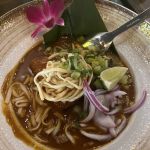 Lan Larb Chiang Mai, Soho4.0 (1168 reviews)
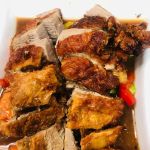 Diamond Thai@East Brunswick4.0 (67 reviews)
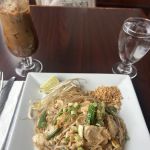 Bangkok Cuisine - Falmouth4.0 (141 reviews)
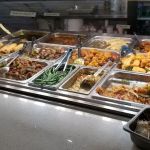 Ruby Thai Kitchen3.0 (86 reviews)
 Spice Thai4.0 (1232 reviews)
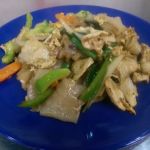 Chin Thai2.0 (4 reviews)
 Mastering Thai Fish Sauce: Uses and Tips for Flavorful Cooking
 The Best Thai Food Recipes for Quick Weeknight Meals
 The Best U.S. Cities to Move to if You Love Thai Food
 How to Make Thai Food That’s Cozy Enough for Winter Nights
 How to Make Low-Carb Thai Food Without Losing Flavor
 Sai Ua vs Sai Krok Isan: Thai Sausage Guide