
Thai Roti Guide: Crispness, Fillings, and Sharing
Table of contents
Quick answer: Thai roti can be a thin griddled snack cut into crisp squares, a folded dessert with banana or another filling, or a flaky bread served with curry. Ask whether it is sweet or savory, filled or plain, crisp or soft, and made to order. Confirm toppings, portion size, and allergens, then eat it promptly: steam and sauce soften the layers quickly.

Identify the roti style on the menu
“Roti” describes several flatbreads. It may be a thin griddled dessert with condensed milk or a flaky round bread for curry. Street, regional, and household styles add variation.
Ask four questions before ordering:
- Is it plain, filled, or topped?
- Is the intended flavor sweet, savory, or neutral?
- Is the texture thin and crisp, layered and flaky, or soft and chewy?
- Does the listed price cover one piece, a cut plate, or a shareable order?
Ask whether it is made to order. Fresh griddled roti stays crisp briefly; holding and closed takeout containers change texture.

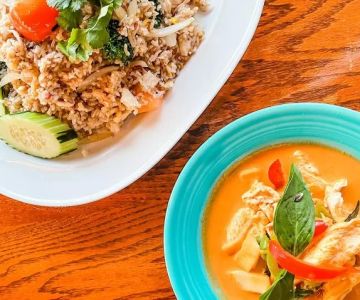
Thai Place Restaurant
PhoenixvilleChester CountyPennsylvania
730, 700 Nutt Rd, Phoenixville, PA 19460, USA
Choose crisp, flaky, chewy, or soft
Thin roti may develop browned brittle patches and a chewy center. Folding creates layers; pressing emphasizes crispness. Thicker bread may stay soft for dipping.
Use ordinary words: “crisp but not hard,” “flaky and soft,” or “easy to tear.” The kitchen may have one standard method that cannot change.
Fillings, syrup, condensed milk, curry, and ice cream soften roti. Request sauce on the side when contrast matters.
Compare sweet roti options
Sweet roti may be cut and finished with sugar, condensed milk, or sauce. Ask for light topping to taste the toasted dough; some kitchens use a fixed finish.
Banana roti encloses warm soft fruit in folded dough. Menus may add egg, coconut, corn, fruit, or sweet spreads. Confirm fillings versus toppings.
Ice cream softens roti rapidly when placed on top; served alongside, diners control each bite. Confirm pieces and utensils for a group.
Compare savory roti and curry pairings
Plain flaky roti can scoop curry or savory dip and absorb sauce. Ask whether rice is included to avoid excess starch.
Savory roti may contain egg, meat, vegetables, or aromatics. Confirm protein, herbs, chile, sauce, and whether it is cut for sharing.
Tear soft flaky roti for dipping; keep crisp roti separate until eating. Ask about a recommended curry's richness, heat, and portion.
Order, time, and share it well
Order dessert roti after the savory courses unless the kitchen needs advance notice. Ask about preparation time and whether all roti should arrive together. A large order cooked in batches may not stay equally crisp.
For takeout, request toppings or dipping sauce separately when possible and vent the container only if the restaurant recommends it. Reheating instructions depend on the filling and packaging, so ask rather than placing foil, plastic, or an unknown container in an appliance.
Taste a plain edge first, then add sauce or filling. This makes it easier to compare browning, layers, chew, sweetness, and salt. Condiments are additions, not a test of whether the kitchen seasoned the roti correctly.
Ask about ingredients and allergens
Roti may contain wheat, milk, egg, soy, sesame, peanuts, tree nuts, or other allergens through dough, cooking fat, fillings, toppings, curry, and shared equipment. Condensed milk is dairy, and a plain-looking roti may still contain milk or egg.
Tell the restaurant about an allergy before ordering. Ask about the dough, cooking surface, utensils, filling station, fryer if used, toppings, and cross-contact. For vegan dining, confirm dough, cooking fat, condensed milk, egg, curry paste, fish sauce, and dipping sauce rather than relying on the word “plain.”
Frequently asked questions
Is Thai roti always a dessert?
No. It may be a sweet snack, a filled savory item, or a plain bread served with curry.
Is roti the same as naan?
No. Both are broad flatbread terms, but ingredients, shaping, cooking methods, textures, and culinary contexts differ. Ask about the restaurant's specific bread.
Can I request no condensed milk?
Often, if it is added at the end. Confirm whether sweetness is also inside the filling or dough and whether other toppings remain.
Why did takeout roti become soft?
Trapped steam and wet toppings soften crisp layers. Ask for packaging and reheating guidance, and keep sauce separate when the restaurant allows it.
Next steps
Ask the restaurant to describe the roti's form, texture, filling, topping, portion, preparation time, and allergens. Choose a plain flaky version for curry or a filled crisp version for dessert, order sauce separately when texture matters, and share it while warm. Note the style—not just the name—so you can compare roti across restaurants.


 Bay (takeout Thai street food - please make a call for dine-in)5.0 (79 reviews)
 Long Kin Thai Kitchen & Bar5.0 (69 reviews)
 Lan Larb Chiang Mai 2nd Ave4.0 (589 reviews)
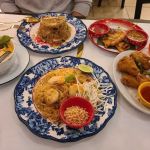 The Theo Thai Bistro4.0 (792 reviews)
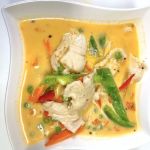 Circles Thai - Collingswood, NJ4.0 (191 reviews)
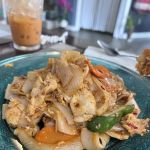 Thai Thai4.0 (212 reviews)
 The Best Thai Food Recipes for Budget Weeknight Dinners
 How to Make Thai Food That’s Balanced for a Healthy Lifestyle
 Thai Basil Seeds — What Are They & How to Use | Thai Food Ingredient Guide
 How to Make Thai Coconut Soup (Tom Kha Gai) Creamy Without Dairy
 How to Make Thai Food That’s Budget-Friendly & Flavor-Rich
 How to Make Thai Food That’s One-Pot & One-Pan Friendly