
Thai Steamed Fish: Compare Lime, Garlic, Chile, and Sharing
Table of contents
Quick answer
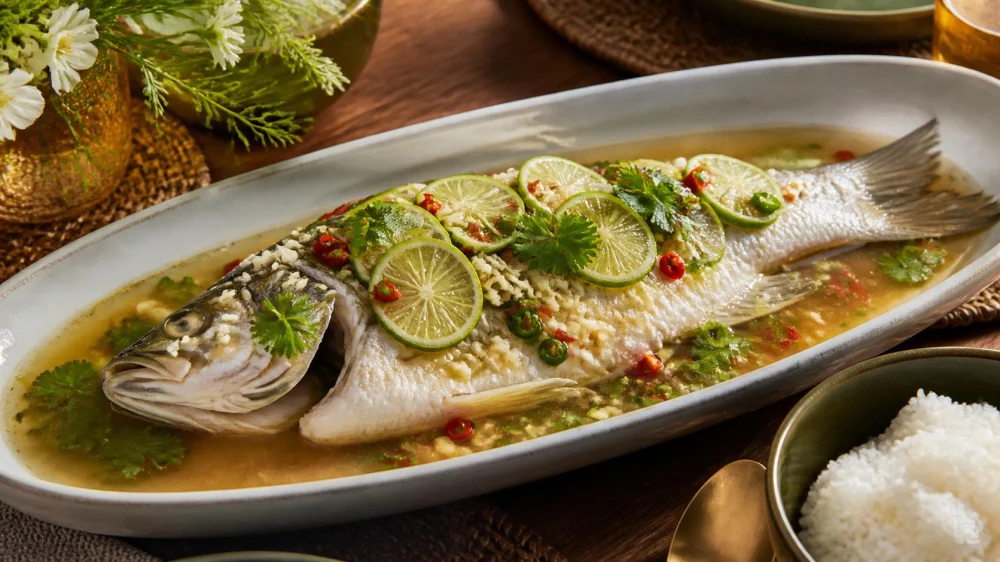
Thai steamed fish may be a whole fish or fillet served with a bright lime, garlic, fish-sauce, and chile dressing, but restaurant recipes vary. Ask which fish is available, whether it is whole and bone-in, how its weight and price are set, how spicy the sauce is, and how many diners it serves. Use serving utensils and work from one side without turning the hot platter.
Choose whole or fillet
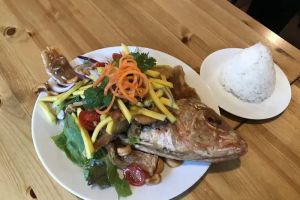
A whole fish creates a dramatic shared centerpiece and can include different textures around the collar, belly, and tail. It also contains bones, fins, head, and skin. A fillet is easier to portion but may be a different species, size, or preparation.
Ask for the species or market name and whether the fish is fresh, previously frozen, farmed, wild, local, or imported only if those details affect your decision. Terms can be used differently, and availability changes. The restaurant should explain what it is serving that day.
Confirm whether scales, skin, head, and tail remain. “Cleaned whole fish” usually still means bone-in. Children and anyone with swallowing or vision concerns need particular caution; a fillet is not guaranteed bone-free.
Steaming can highlight delicate flesh and sauce, but texture varies with species and thickness. A firmer fish holds portions neatly; a softer fish may flake into the broth. Ask staff which current option best fits sharing.
Lai Thai Cuisine
Voorhees TownshipCamden CountyNew Jersey
200 White Horse Rd E, Voorhees Township, NJ 08043, USA
Understand the sauce
A common bright style combines lime, garlic, chile, fish sauce, and sweetness, sometimes with herbs or a broth base. It can be intensely sour, salty, spicy, and aromatic. Other steamed fish preparations may use soy, ginger, preserved plum, or different regional influences.
Ask whether the standard sauce is mild, medium, or hot by that restaurant's scale. Fresh chopped chile can create uneven pockets of heat. Request chile on the side or a milder sauce if possible, but understand that a house dressing may be prepared in advance.
Fish sauce and seafood ingredients mean the plate is not vegetarian. Soy-based versions may contain wheat. Garnishes and stock can introduce additional allergens. For an allergy, ask about the complete recipe, shared steamers, utensils, and prep surfaces.
Taste sauce from the edge before spooning it over every portion. Lime acidity and fish-sauce salt can intensify as liquid reduces or cools. Pair with plain jasmine rice to distribute flavor.
Check size and price
Whole fish may be listed at a fixed price, by weight, or as market price. Ask how the final fish is selected, what weight range is expected, and whether the server can confirm the total before cooking. Cooking changes weight, so clarify whether pricing uses raw weight.
Find out how many people the kitchen expects the fish to serve within a shared meal. A large fish may feed several diners when accompanied by rice and other dishes; as the sole entrée, it serves fewer. Bones and head mean total weight is not edible yield.
Ask whether rice is included and whether the platter comes with vegetables or only sauce. A whole fish may take longer to cook, so order it early and coordinate faster appetizers.
If the table has a budget, state it. A server can suggest a size or fillet alternative. Do not wait until the cooked fish arrives to dispute an understood market-price method.
Serve the table
Let staff place the platter. Some restaurants serve the fish over a heated stand or in a vessel that stays very hot. Keep flames, burners, metal, broth, and handles away from children and the table edge.
Use a serving spoon and fork. Begin along the top side, lift flesh in sections, and watch for fine bones. Do not scrape blindly. When the first side is finished, ask staff for help exposing the other side rather than flipping a hot whole fish over the table.
Place each portion on a personal plate and inspect it. Bones can hide in opaque sauce and herbs. Never assume another diner removed all bones for a child or vulnerable guest.
Add sauce and herbs individually. Use separate utensils for allergy-specific food, though cross-contact may already exist in the kitchen. Keep personal chopsticks out of the shared platter.
Balance the meal with rice, vegetables, and a less acidic dish. Several chile-lime preparations together can overwhelm both palate and heat tolerance.
Takeout considerations
A whole fish is difficult to transport. Ask the restaurant to separate sauce or broth when appropriate, secure the container, and provide an outer tray. Keep it flat and minimize travel time.
Steam continues inside a closed container, softening skin and herbs. This is normal. Fillets may travel more easily but still require careful handling to avoid breaking.
Refrigerate leftovers promptly under current food-safety guidance. Store fish and sauce in suitable sealed containers and follow restaurant reheating instructions. Heat gently but thoroughly to avoid drying while meeting safe temperature guidance.
Do not rely on lime, chile, or fish-sauce aroma to judge safety. If the handling time is uncertain, discard rather than tasting to test.
Limitations
Thai fish preparations vary by region, restaurant, species, season, and market. This guide does not define one correct sauce or presentation.
This is general dining guidance, not allergy, nutrition, or medical advice. Current fish, price, ingredients, cross-contact, and handling must be confirmed with the restaurant.
Sources and evidence
The Tourism Authority of Thailand highlights fish prepared by steaming in Mekong-border cuisine and identifies steamed fish and fish-curry preparations in coastal regional food. These sources show the diversity of fish cookery; the restaurant remains authoritative for its current dish.
- Tourism Authority of Thailand: Bueng Kan food and steamed fish
- Tourism Authority of Thailand: Chon Buri seafood traditions
Frequently asked questions
Is Thai steamed fish always whole?
No. Whole fish is common for sharing, but fillets and individual portions also appear. Ask what the current menu serves.
Is the lime sauce very spicy?
It can be. Fresh chile amount varies, and heat may be uneven. Ask for the restaurant's description and possible adjustment.
Does whole fish contain many bones?
Yes, whole fish is bone-in and fine bones can remain in the flesh or sauce. Portion carefully and consider a different preparation for vulnerable diners.
How is market price calculated?
Policies vary. Ask whether it is per fish or by raw weight and request the expected total before cooking.
Is rice included?
Not always. Confirm rice, vegetables, and sauce as separate or included items before ordering.
Can the dish be made without fish sauce?
Possibly, depending on the house sauce and preparation. Ask early; removing one ingredient may require a different sauce and does not resolve seafood cross-contact.
Conclusion
Thai steamed fish rewards a little planning. Confirm species, whole versus fillet, bones, sauce, heat, size, price, and sides. Let staff handle the hot vessel, portion from one side with serving utensils, and inspect each piece. Rice and a balanced shared menu let the lime, garlic, chile, and delicate fish remain vivid without overwhelming the table.

 Lan Larb Chiang Mai, Soho4.0 (1168 reviews)
 Diamond Thai@East Brunswick4.0 (67 reviews)
 Bangkok Cuisine - Falmouth4.0 (141 reviews)
 Ruby Thai Kitchen3.0 (86 reviews)
 Spice Thai4.0 (1232 reviews)
 Chin Thai2.0 (4 reviews)
 Mastering Thai Fish Sauce: Uses and Tips for Flavorful Cooking
 The Best Thai Food Recipes for Quick Weeknight Meals
 The Best U.S. Cities to Move to if You Love Thai Food
 How to Make Thai Food That’s Cozy Enough for Winter Nights
 How to Make Low-Carb Thai Food Without Losing Flavor
 Sai Ua vs Sai Krok Isan: Thai Sausage Guide