Thai Eggplant Dishes: Varieties, Texture, and Heat
Table of contents
Quick answer: Thai eggplant dishes can feature crisp round green eggplants, tiny bitter pea eggplants, tender long purple eggplants, or locally available substitutes. Round and pea eggplants often appear in aromatic curries, while long eggplant works well in stir-fries and grilled dishes. Ask which variety the kitchen uses, how soft it will be, whether chile heat can change, and whether fish sauce, shrimp paste, soy, or oyster-style sauce is included.

Recognize the eggplant varieties
“Eggplant” does not predict one shape or texture. Kitchens may use Thai, Asian long, globe, or seasonal varieties. Availability and regional style affect what arrives.
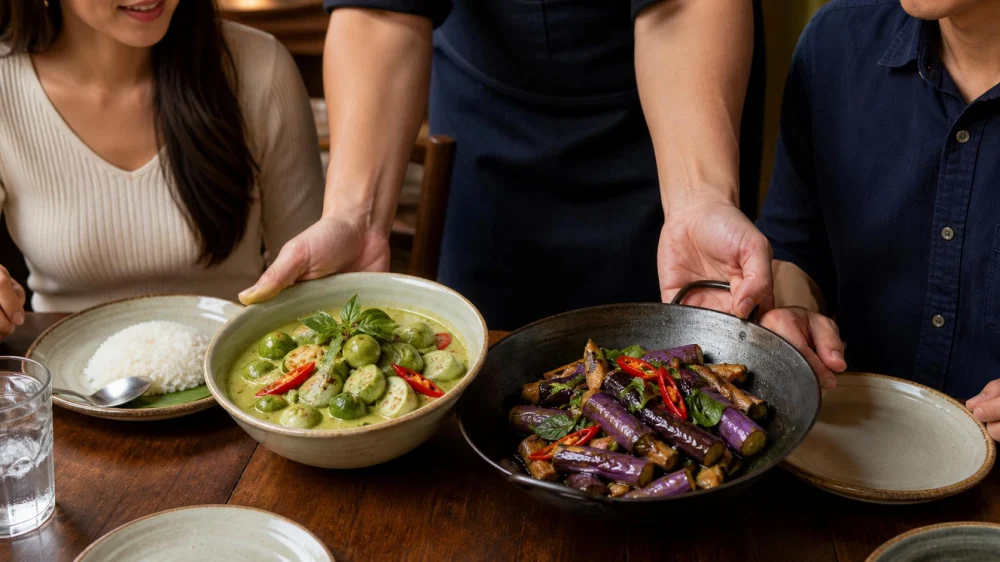
Round green Thai eggplant is small, firm, and often quartered. It can stay crisp or seedy in curry, with mild bitterness against coconut milk and aromatic paste.
Pea eggplant grows in tiny clusters. It has a bitter, seedy bite and may pop or crunch. Diners who dislike bitterness should ask about it.
Long eggplant absorbs sauce and may become silky while its skin holds pieces together. Globe eggplant is larger and may feel softer or spongier.
Compare eggplant in Thai curries
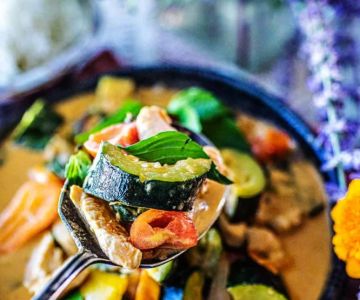
Green curry often combines aromatic paste, coconut milk, herbs, chiles, protein, and eggplant. Round eggplant contrasts with creamy sauce; pea eggplant adds bitter bursts. Ask which are present and their texture.
Other curries may use long eggplant or substitutes. Eggplant absorbs seasoned liquid, and heat depends on the paste and method, not only visible chiles.
Compare coconut richness, herbs, sweetness, heat, protein, and rice. A premade paste may limit heat adjustment, so ask what can actually change.
Compare stir-fried and grilled styles
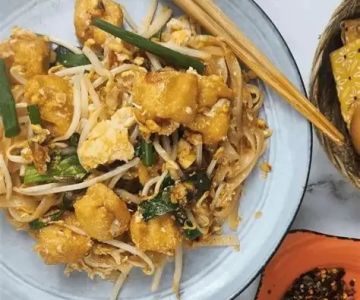
Long eggplant suits quick cooking with garlic, chiles, basil, and savory sauce. Wok heat, cut, oil, moisture, and holding time affect whether it arrives silky, firm, or soft.
A basil eggplant stir-fry is not automatically the same sauce as other basil dishes. Ask about meat, tofu, egg, fish sauce, oyster-style sauce, soy, or fermented seasoning.
Grilled or roasted eggplant can emphasize smoky flavor and a drier surface. It may be served with chile sauce, herbs, egg, minced meat, seafood, or dressing. Confirm whether the dish is an appetizer, salad-like preparation, side, or main course and whether it arrives warm.
Order for texture, heat, and sharing
Describe texture preferences in ordinary language: “still a little crisp,” “soft and silky,” or “not bitter.” Ask the server which current dish best matches rather than requesting a technique the kitchen does not use. Pea eggplant is the clearest question when bitterness is a concern.
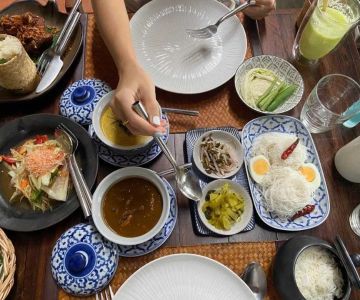
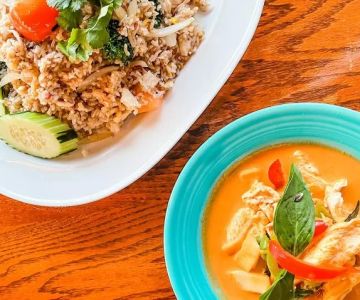
For a shared meal, pair one eggplant dish with contrasting items. A coconut curry works well alongside a drier grilled or stir-fried dish, plain rice, and something fresh or acidic. Ordering two rich coconut dishes may feel repetitive even when their curry colors differ.
Confirm portion and serving utensil. Small round eggplants can be difficult to divide evenly if the bowl contains only a few pieces, while stir-fried long eggplant is easier to share. Let the table taste the dish before adding table condiments, which can quickly change salt, acid, sweetness, and heat.
Ask about sauces, allergens, and diet
Thai eggplant dishes may contain fish, shellfish, soy, wheat, peanuts, tree nuts, egg, milk, or sesame depending on curry paste, stock, sauce, garnish, and kitchen practice. Tell the restaurant about an allergy before ordering and ask about the full recipe, premade components, substitutions, and cross-contact.
For vegetarian or vegan dining, ask specifically about fish sauce, shrimp paste, oyster-style sauce, stock, egg, and garnish. A dish can be meat-free but still contain animal-derived seasoning. Do not assume a lower heat request changes the curry paste or its ingredients.
If you have a medical dietary restriction, use the restaurant's ingredient information and guidance from your healthcare professional. Staff can explain preparation but cannot guarantee safety when the kitchen cannot control cross-contact.
Frequently asked questions
Are Thai eggplants supposed to be crunchy?
Small round varieties may retain a firm or crisp bite in curry. Long eggplant is more often cooked tender. Ask how the kitchen prepares its current variety.
What are the tiny green balls in curry?
They may be pea eggplants, which are intentionally bitter and seedy. Confirm with the restaurant because other herbs and vegetables can look similar.
Is eggplant curry always green curry?
No. Eggplant can appear in several curries and regional preparations. The menu or server should identify the house style.
Can the kitchen remove all eggplant bitterness?
Variety and preparation affect bitterness, but pea eggplant is valued partly for that character. Choose a long-eggplant dish if a softer, less bitter profile is preferred.
Next steps
Ask which eggplant variety is in each dish, how it is cooked, how bitter or soft it will be, and how adjustable the heat is. Confirm sauces and allergens, then choose a curry for crisp contrast or a stir-fry for silky texture. Order rice and a contrasting shared dish, taste first, and note the variety you enjoy for the next Thai restaurant visit.

 Sawadee Thai Cuisine4.0 (495 reviews)
 Kapow Kitchen & Food Truck4.0 (178 reviews)
 Thai Diner4.0 (475 reviews)
 Pinto Thai Kitchen4.0 (262 reviews)
 Thai Basil Pho4.0 (167 reviews)
 New Thailand Cuisine4.0 (335 reviews)
 Thai Food and Sustainability: How to Eat Thai & Eat Responsibly
 How to Make Thai Food Safe for Nut-Free and Soy-Free Diets
 Simple Thai Desserts You Can Make With 5 Ingredients or Less
 The Best Thai Food Podcasts to Listen to While Cooking
 How to Make Thai Food That’s Perfect for Sharing with Friends
 Thai Food for Foodies: How to Experience Authentic Thai Cuisine Like a Local